 Save
Save I burned my first pork shoulder badly on a cold November Sunday, trying to impress my in-laws. The oven ran too hot, the skin turned black, and I panicked. My mother-in-law quietly walked me through salvaging it with a cider glaze she remembered from her childhood in Vermont. That disaster became this recipe, and now it's what I make every time I want to feel grounded in my own kitchen.
The first time I nailed this recipe, my neighbor knocked on the door asking what I was cooking. She stayed for dinner, brought her husband, and we ended up talking until midnight over the last scraps of pork and too much wine. That's the kind of meal this is. It pulls people in and keeps them there, happy and full.
Ingredients
- Bone-in pork shoulder: The bone adds flavor and keeps the meat moist during the long roast, don't skip it.
- Olive oil: Helps the seasoning stick and starts the browning process on the skin.
- Kosher salt and black pepper: Simple seasoning lets the pork and glaze shine without competing.
- Onion and garlic: They soften into the pan juices and create a fragrant base that perfumes the meat from below.
- Fresh rosemary and thyme: Woodsy herbs that smell like comfort and taste even better after hours in the oven.
- Apple cider: The backbone of the glaze, it reduces into something almost syrupy and alive with apple sweetness.
- Apple cider vinegar: Cuts through the richness and wakes up every bite with a little tang.
- Dijon mustard: Adds a gentle sharpness and helps the glaze cling to the pork beautifully.
- Light brown sugar: Balances the vinegar and caramelizes into a glossy finish.
- Unsalted butter: Whisked in at the end, it makes the glaze silky and luxurious.
Tired of Takeout? 🥡
Get 10 meals you can make faster than delivery arrives. Seriously.
One email. No spam. Unsubscribe anytime.
Instructions
- Prep the pork:
- Pat the pork shoulder completely dry with paper towels, then massage it all over with olive oil, salt, and pepper. The drier the skin, the better it will crisp up later.
- Build the roasting bed:
- Scatter the onion, garlic, rosemary, and thyme across the bottom of your roasting pan. Nestle the pork on top, skin side up, so it sits above the aromatics.
- Slow roast:
- Roast uncovered at 300°F for 4 hours, basting with the pan drippings every hour. The meat will start to pull away from the bone and smell impossibly good.
- Make the glaze:
- While the pork cooks, combine cider, vinegar, mustard, brown sugar, and pepper in a saucepan. Boil, then simmer until it thickens and reduces by half, about 20 minutes, then whisk in butter until it gleams.
- Finish and caramelize:
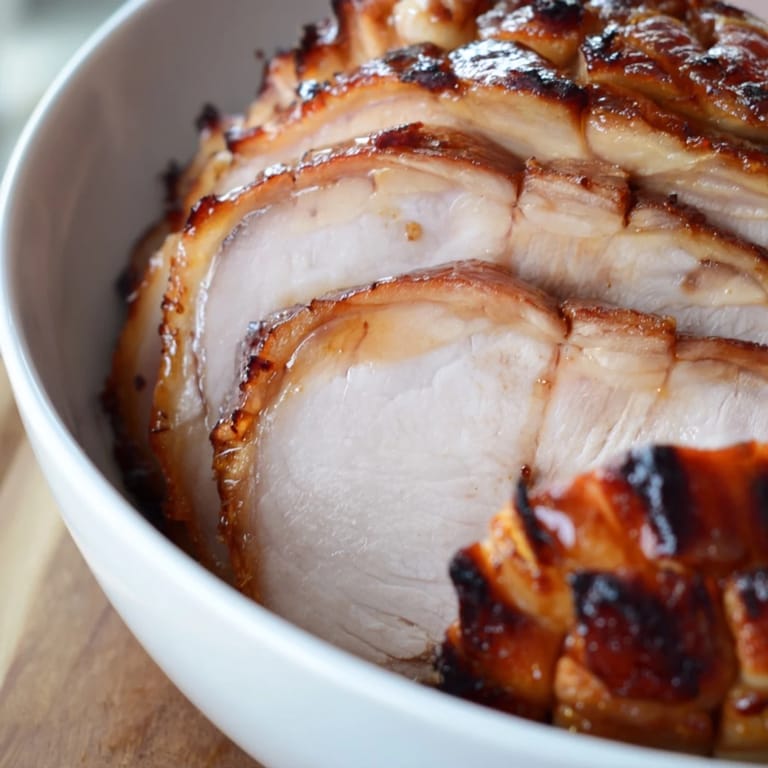
- Crank the oven to 425°F, brush the pork generously with glaze, and roast for 20 to 30 minutes, brushing again halfway. The skin will turn deep golden and crackling.
- Rest and serve:
- Let the pork rest loosely covered with foil for 20 minutes before slicing or pulling it apart. Drizzle with the remaining warm glaze and watch it disappear.
 Save
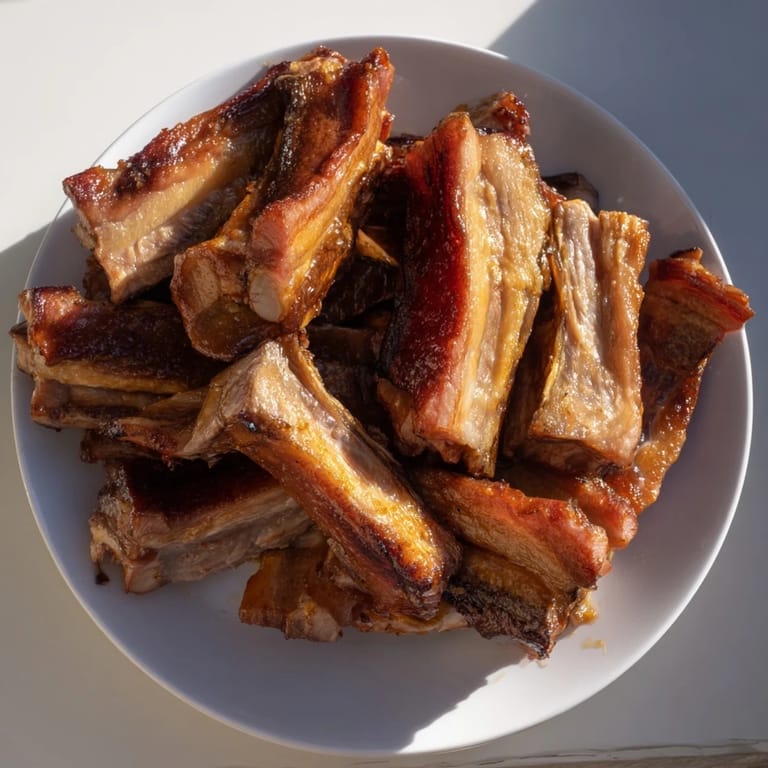
Save One winter, I made this for a friend going through a hard time. We didn't talk much, just sat at the table passing the pork back and forth, tearing off pieces with our hands. She told me later it was the first meal that tasted like anything in weeks. Food can do that sometimes, when you let it.
Getting the Skin Perfectly Crisp
Scoring the skin helps the fat render out and the salt penetrate deep. If the skin isn't crisping enough in the final roast, switch to the broiler for 2 to 3 minutes, watching closely so it doesn't burn. The sound of crackling skin is half the reward.
What to Serve Alongside
This pork loves anything that soaks up the glaze. Creamy mashed potatoes, roasted carrots and parsnips, or a sharp apple slaw all work beautifully. I've also piled it onto soft rolls with pickles for the best sandwiches I've ever made.
Making It Your Own
If you want a boozier glaze, swap the apple cider for hard cider and let it reduce a little longer. You can also add a pinch of cinnamon or a splash of bourbon to the glaze for warmth. The bones and drippings make an incredible stock the next day if you're feeling ambitious.
- Save the rendered fat for roasting potatoes later in the week.
- Leftover pork reheats beautifully in a low oven with a splash of broth.
- Double the glaze if you want extra for drizzling or dipping.
 Save
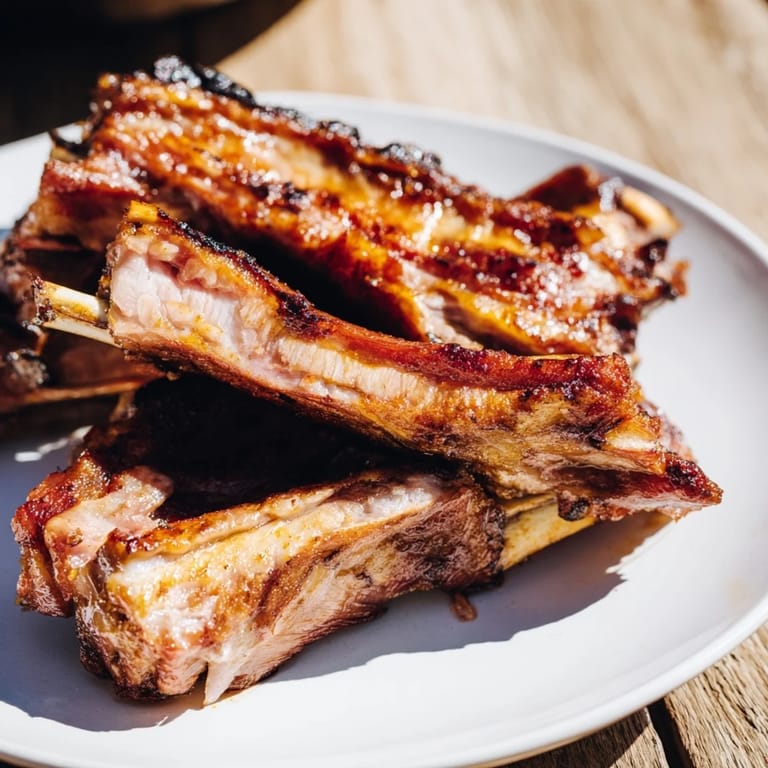
Save This is the kind of recipe that makes you look like you know what you're doing, even when you're winging it. Serve it with confidence and people will remember it long after the plates are cleared.