 Save
Save The first autumn chill brings a ritual to my kitchen that feels almost sacred. As wind rattles the windows, I find myself reaching for a sturdy butternut squash, its pale tan skin promising warmth against the gathering cold. I discovered this soup recipe years ago during a particularly brutal November, when comfort seemed in short supply but this humble squash transformed my evening into something special. Something about the gentle caramelization that happens during roasting unlocks flavors that simple boiling never could.
My neighbor Elaine stopped by unexpectedly last fall just as I was blending this soup to velvety perfection. The kitchen windows had steamed up from the simmering pot, and she walked in saying she could smell the nutmeg from her porch. We ended up sharing the batch over stories until evening turned to night. Now whenever I make this soup, I automatically set aside a jar for her.
Ingredients
- Butternut squash: Look for one with a matte, not glossy, skin and that feels heavy for its size, which indicates its freshness and moisture content.
- Garlic cloves: Roasting transforms them from sharp and pungent to mellow and almost sweet, creating beautiful background notes.
- Vegetable broth: I once tried making this with water to save time and deeply regretted it, the broth provides essential depth that carries all the other flavors.
- Nutmeg: Freshly grated makes a remarkable difference, but pre-ground works perfectly well when youre short on time or tools.
- Cayenne pepper: Just a tiny pinch wakes up all the other flavors without making the soup spicy, its my secret weapon against blandness.
Tired of Takeout? 🥡
Get 10 meals you can make faster than delivery arrives. Seriously.
One email. No spam. Unsubscribe anytime.
Instructions
- Prep your veggies:
- Peeling butternut squash can be tricky, so I always microwave it whole for 2 minutes first to soften the skin slightly. The knife glides through much more easily afterward.
- Roast with intention:
- Spread everything in a single layer, giving the vegetables room to breathe. Crowding the pan steams rather than roasts them, and youll miss out on those delicious caramelized edges.
- Create flavor foundation:
- While transferring the roasted vegetables to your pot, scrape up any browned bits from the baking sheet. Those concentrated flavor spots are pure gold for your soup.
- Blend with care:
- If using a countertop blender, never fill it more than halfway with hot soup and always start on low. I learned this the hard way when my kitchen ceiling wore butternut soup for a week.
- Finish with finesse:
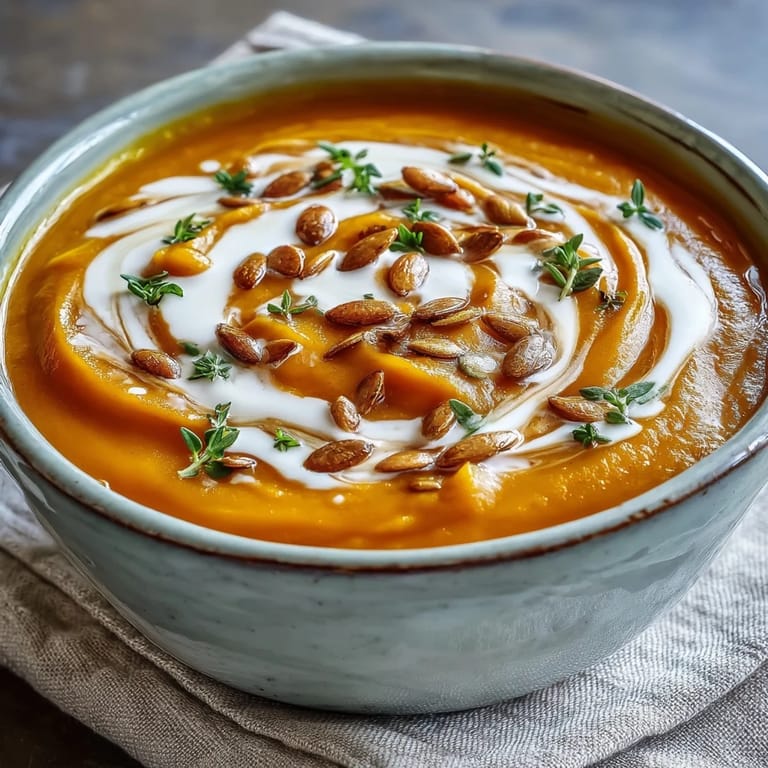
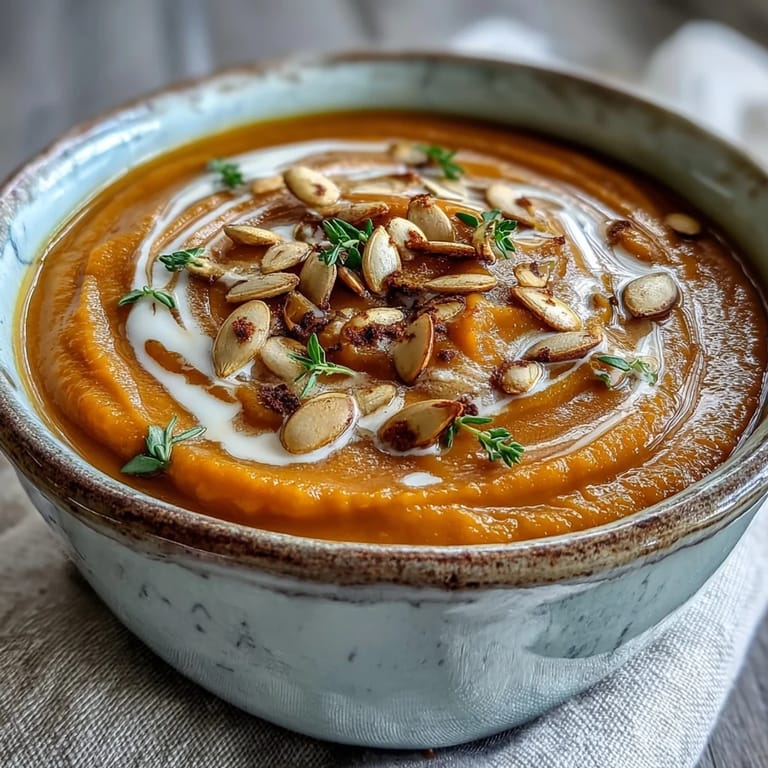
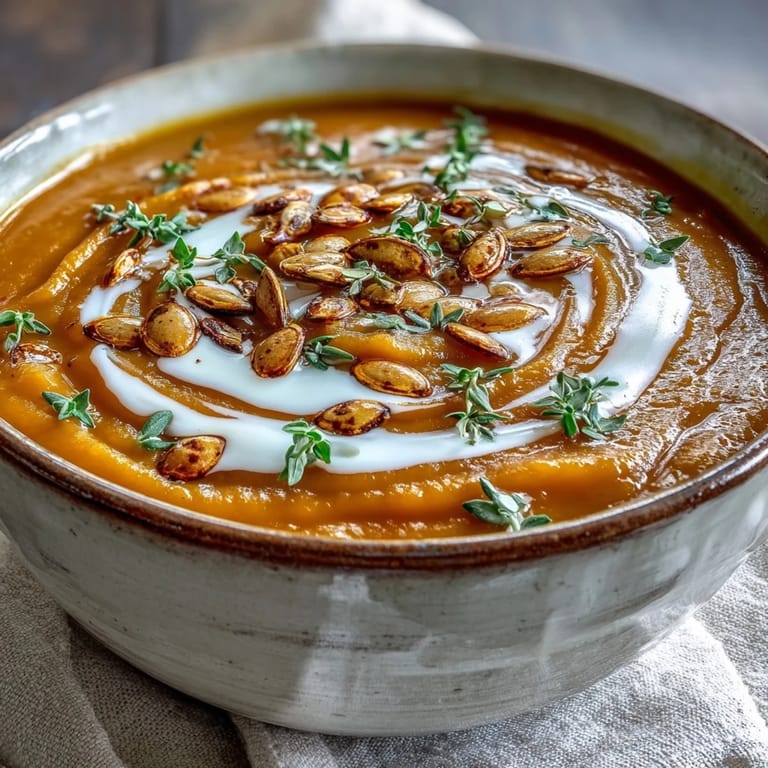
- The cream should be stirred in off the heat to prevent any chance of curdling. Just before serving, I like to drizzle a tiny spiral of additional cream on top and run a toothpick through it for a simple but elegant presentation.
 Save
Save Last Thanksgiving, my brother who claims to hate all squash had three bowls of this soup before I revealed what it was made from. The look of confused betrayal on his face made everyone at the table laugh, but he still asked for the recipe before leaving. Sometimes the best dishes are the ones that change someones mind about an ingredient they thought they didnt like.
Make-Ahead Tips
Ive discovered this soup actually improves with time, developing deeper, more complex flavors after a day or two in the refrigerator. You can roast the vegetables up to three days ahead and keep them refrigerated until youre ready to simmer and blend. Just remember if making the complete soup ahead, wait to add any cream until youve reheated it on serving day.
Serving Suggestions
Theres something magical about the contrast between this silky soup and a crusty piece of bread for dipping. On particularly indulgent evenings, I serve small cups of this soup alongside grilled cheese sandwiches made with sharp cheddar and thinly sliced apples. The sweet-savory balance creates a meal that somehow feels both sophisticated and like childhood comfort food at the same time.
Storage and Freezing
This soup keeps beautifully in the refrigerator for up to 5 days, making it perfect for meal prep or busy weeknights. For freezing, I portion it into individual containers before adding any cream, then simply thaw and heat with a splash of fresh cream stirred in just before serving.
- If the soup thickens too much during storage, thin it with a little extra broth while reheating.
- Freeze in silicone muffin trays for perfect single-serving portions that thaw quickly.
- Always cool completely before refrigerating or freezing to preserve the best texture and flavor.
 Save
Save This soup has become my edible ambassador, the dish friends request when theyre feeling under the weather or celebrating good news. The true magic of cooking isnt just in following recipes but in sharing what we create.
Recipe FAQs
- → Can I make this soup ahead of time?
Absolutely. This soup actually develops more flavor when made ahead. Store in an airtight container in the refrigerator for up to 4 days. Reheat gently on the stovetop, adding a splash of broth if needed to adjust consistency.
- → How do I achieve the smoothest texture?
Roasting the vegetables until deeply caramelized is key. Then blend thoroughly with an immersion blender or countertop blender. For ultra-silky results, pass the blended soup through a fine-mesh sieve before serving.
- → What can I use instead of heavy cream?
Coconut cream creates a rich, dairy-free version with subtle tropical notes. For a lighter option, try Greek yogurt stirred in after blending. The soup is also delicious completely unblended if you prefer a lighter texture.
- → Can I freeze this soup?
Yes, freeze in portion-sized containers for up to 3 months. Leave out the cream until after reheating. Thaw overnight in the refrigerator, then warm gently on the stovetop, whisking to restore smoothness.
- → What garnishes work best?
Toasted pumpkin seeds add delightful crunch, while fresh thyme provides aromatic brightness. A swirl of cream, drizzle of good olive oil, or sprinkle of crispy bacon bits also creates beautiful presentation and added flavor layers.