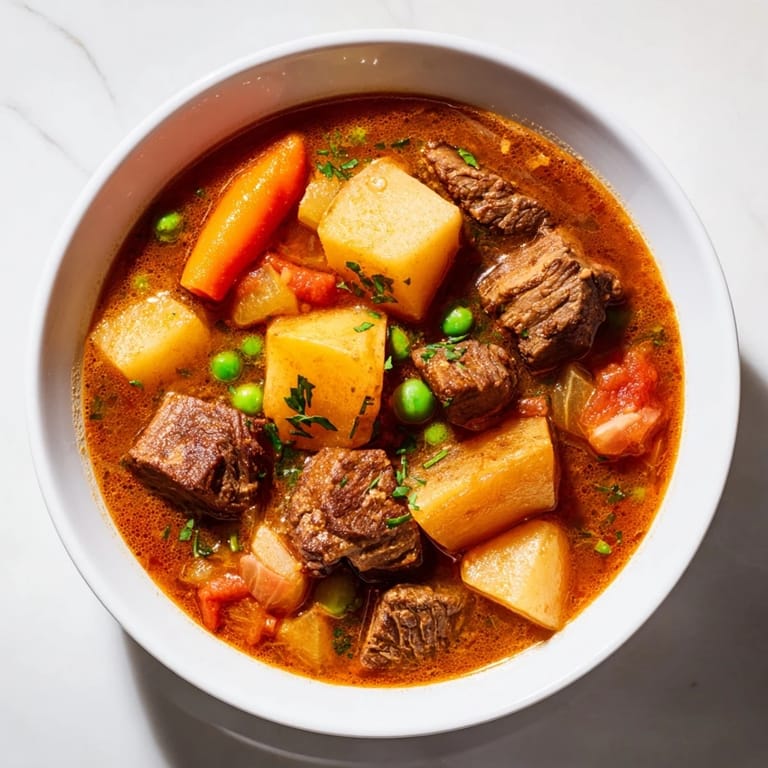
 Save
Save I used to think beef and barley soup was something only my grandmother could make right. Then one rainy October afternoon, I found myself with a pound and a half of stew meat and no plan. I threw everything into one pot, let it simmer while I worked, and two hours later the whole house smelled like a hug. That's when I realized this soup doesn't need magic, just time and a little trust.
The first time I made this for my neighbor, she asked if I'd been cooking all day. I laughed because I'd barely stirred it twice. She took home a quart in a mason jar, and the next morning she texted me asking for the recipe. That's when I knew this soup had earned its place in my rotation.
Ingredients
- Beef stew meat: Look for chuck or round cut into cubes. It starts tough but becomes melt-in-your-mouth tender after a long simmer, and the marbling adds richness to the broth.
- Olive oil: Use enough to coat the bottom of the pot so the beef browns evenly without sticking, which builds the flavor foundation for everything.
- Onion: A large yellow or white onion works best. Dice it small so it melts into the broth and sweetens as it cooks.
- Carrots: Peel them first or you'll get woody bits. Slice them thick so they hold their shape and add little pops of sweetness.
- Celery: Don't skip this. It adds a subtle savory backbone that balances the sweetness of the carrots and tomatoes.
- Garlic: Mince it fine and add it after the vegetables soften, or it will burn and turn bitter.
- Russet potato: Peeled and diced, it breaks down slightly and thickens the broth naturally while staying hearty.
- Frozen peas: Toss them in at the end so they stay bright green and just tender, not mushy.
- Diced tomatoes: Use the whole can with juices. It adds acidity and a little brightness that cuts through the richness.
- Pearl barley: Rinse it first to remove excess starch. It plumps up beautifully and gives the soup body and chew.
- Beef broth: Low-sodium is your friend here so you can control the salt. Homemade is lovely, but boxed works just fine.
- Water: Thins the broth just enough and helps the barley cook through without making the soup too salty.
- Bay leaves: Drop them in whole and fish them out before serving. They add a quiet herbal note you'll miss if you skip them.
- Dried thyme and oregano: These two together smell like comfort. Rub them between your fingers before adding to wake up the oils.
- Black pepper and salt: Season at the beginning, then taste and adjust at the end. The barley soaks up a lot of salt as it cooks.
- Fresh parsley: Optional, but a handful of chopped parsley on top makes each bowl feel special and adds a fresh, grassy note.
Tired of Takeout? 🥡
Get 10 meals you can make faster than delivery arrives. Seriously.
One email. No spam. Unsubscribe anytime.
Instructions
- Brown the beef:
- Heat the olive oil in a large pot over medium-high heat until it shimmers. Add the beef cubes in a single layer and let them sit undisturbed for a minute or two so they develop a deep brown crust. Turn them to brown all sides, about 5 minutes total, then remove and set aside.
- Soften the vegetables:
- In the same pot, add the onion, carrots, and celery. Stir them around in the beef drippings, scraping up any browned bits stuck to the bottom. Let them cook for about 5 minutes until the onion turns translucent and the celery softens.
- Add the garlic:
- Toss in the minced garlic and stir for about a minute. You'll know it's ready when the kitchen smells sweet and sharp.
- Build the soup base:
- Return the beef to the pot along with the diced potatoes, tomatoes with their juices, rinsed barley, bay leaves, thyme, oregano, salt, and pepper. Stir everything together so the spices coat the meat and vegetables evenly.
- Simmer low and slow:
- Pour in the beef broth and water, then bring the whole pot to a rolling boil. Once it's bubbling, reduce the heat to low, cover, and let it simmer gently for 1 ½ hours, stirring every 20 minutes or so to keep the barley from sticking.
- Finish with peas:
- About 10 minutes before you're ready to serve, stir in the frozen peas. Taste the broth and add more salt or pepper if needed.
- Serve hot:
- Fish out the bay leaves, ladle the soup into bowls, and sprinkle fresh parsley on top if you have it. Serve with crusty bread for dipping.
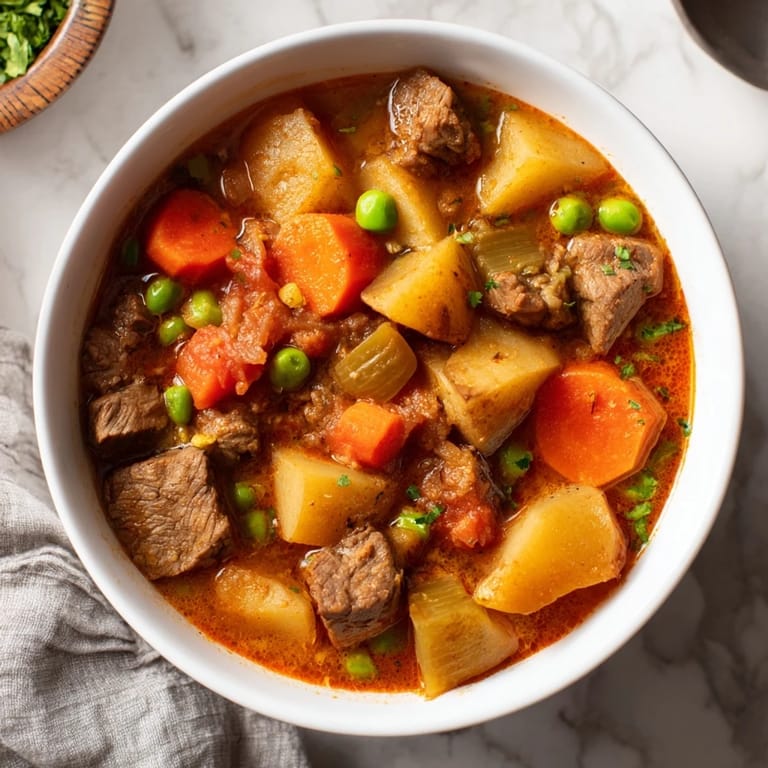 Save
Save One cold Sunday, I brought a pot of this to a potluck and watched people go back for seconds, then thirds. A friend sat down next to me and said it tasted like the kind of meal that makes you want to stay at the table a little longer. I think that's the best compliment soup can get.
How to Store and Reheat
Let the soup cool completely before transferring it to airtight containers. It keeps in the fridge for up to 3 days and freezes beautifully for up to 3 months. When reheating, warm it gently on the stove over low heat, stirring occasionally, and add a little water or broth if it's thickened up. The barley will continue to absorb liquid, so don't be surprised if it looks heartier the next day.
Variations and Swaps
If you need a gluten-free version, swap the barley for brown rice or quinoa and adjust the cooking time accordingly. A splash of Worcestershire sauce or a spoonful of tomato paste stirred in at the beginning deepens the flavor even more. You can also throw in a handful of chopped kale or spinach during the last 10 minutes for extra greens. Sometimes I add a parmesan rind to the pot while it simmers and fish it out before serving, which gives the broth a subtle umami richness.
What to Serve It With
This soup is a meal on its own, but it loves company. I usually serve it with thick slices of sourdough or a warm baguette for dipping. A simple green salad with a sharp vinaigrette cuts through the richness nicely. On particularly cold nights, I'll add a dollop of sour cream or a sprinkle of sharp cheddar on top just before serving.
- Crusty bread or garlic toast for soaking up every last bit of broth.
- A crisp side salad with lemon vinaigrette to balance the hearty flavors.
- A glass of red wine or hot tea to complete the cozy moment.
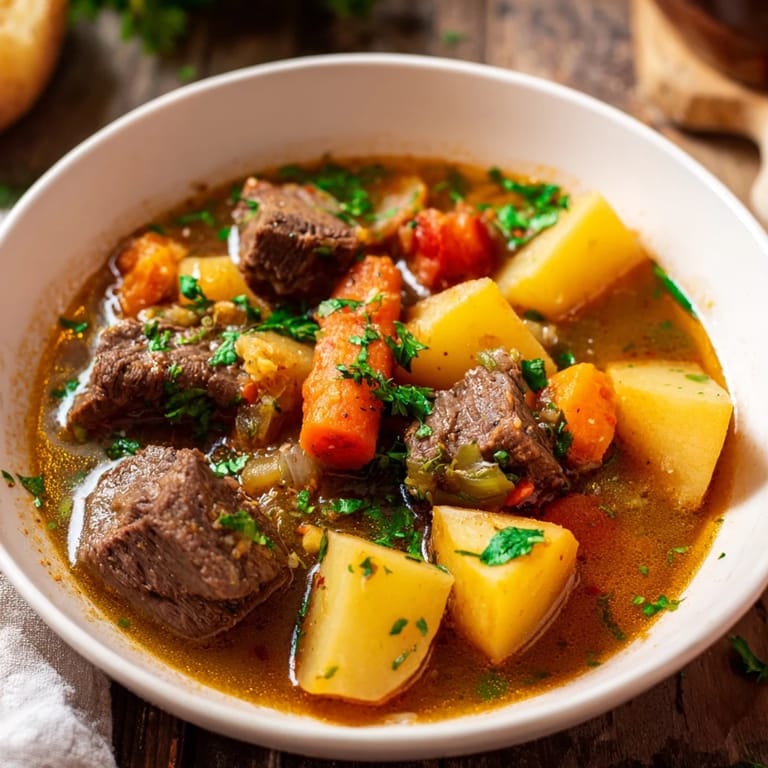 Save
Save This soup has become my go-to when I want something warm, filling, and forgiving. It's the kind of recipe that reminds me why I love cooking in the first place.
Recipe FAQs
- → Can I substitute barley for a gluten-free grain?
Yes, brown rice or quinoa are excellent gluten-free alternatives that maintain a hearty texture.
- → What cut of beef works best for this dish?
Beef stew meat with some marbling and connective tissue is ideal to become tender and flavorful when simmered.
- → How can I adjust the seasoning if it tastes bland?
Add a splash of Worcestershire sauce or extra salt and pepper toward the end of cooking to boost depth and balance flavors.
- → When should frozen peas be added during cooking?
Stir frozen peas in during the last 10 minutes of simmering to retain their color and subtle sweetness.
- → What kitchen tools are essential for preparing this soup?
A large heavy-bottomed pot or Dutch oven for even cooking, a sharp knife for chopping vegetables, and a wooden spoon for stirring are recommended.