 Save
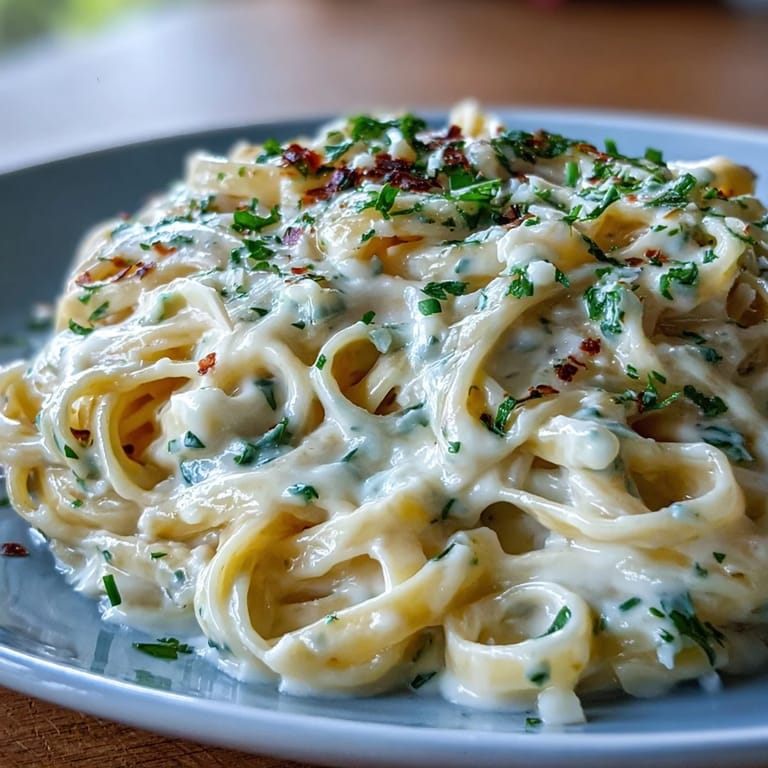
Save A friend once told me she'd given up her favorite creamy pasta because she was tired of feeling sluggish afterward. That conversation stuck with me while I was standing in my kitchen on a rainy Tuesday, staring at half a head of cauliflower and wondering what to do with it. It took a few experimental batches, but I stumbled onto something that changed everything: a sauce so silky and rich that nobody would guess the base was roasted vegetables. Now this is the dish I make when I want comfort without compromise.
The first time I served this to my sister, she took one bite and asked if I'd added cream when I definitely hadn't. That moment of watching someone taste it for the first time never gets old, especially when they're genuinely surprised by how satisfying it is. It's become my secret weapon for dinner parties where I know guests have different dietary preferences but don't want to feel like they're eating something separate.
Ingredients
- Cauliflower (1 medium head, about 700 g): The star that does all the heavy lifting, turning tender and silky when boiled, then blending into a sauce that mimics the richness of traditional cream.
- Garlic (3 cloves) and yellow onion (1 small, chopped): These cook right alongside the cauliflower and build a savory foundation that keeps the sauce from tasting one-dimensional.
- Unsalted butter (2 tablespoons): A small amount adds luxurious mouthfeel without overwhelming the dish; use good quality if you can.
- Parmesan cheese (1/3 cup grated, plus extra for serving): The umami secret that makes you believe this sauce is more decadent than it actually is, so don't skip it or use a substitute unless you must.
- Milk (1/2 cup, dairy or plant-based): Choose unsweetened varieties; I learned this the hard way after one experiment with sweetened almond milk that threw off the whole balance.
- Fettuccine or linguine (350 g): Wider ribbons catch the sauce better than spaghetti, though any pasta you love will work.
- Salt (1 teaspoon), black pepper (1/2 teaspoon), and nutmeg (pinch, optional): Nutmeg is the whisper that adds complexity; I almost always include it because it reminds me of old-school Italian cooking without being obvious.
- Fresh parsley and extra Parmesan (optional garnishes): A sprinkle of green and a final shower of cheese transform the plate from weeknight dinner to something that feels intentional.
Tired of Takeout? 🥡
Get 10 meals you can make faster than delivery arrives. Seriously.
One email. No spam. Unsubscribe anytime.
Instructions
- Boil your vegetables until they're falling-apart tender:
- Fill a large pot with salted water and bring it to a rolling boil—you'll hear the sound change when it's ready. Add cauliflower florets, garlic, and onion, then let them cook for 8 to 10 minutes until the cauliflower breaks apart easily when pierced with a fork.
- Transfer to the blender with care:
- Using a slotted spoon, scoop the soft vegetables into your blender, leaving most of the water behind in the pot. This moment feels like magic because you're about to turn something humble into something luxurious.
- Blend until the sauce is completely smooth:
- Add butter, Parmesan, milk, salt, pepper, and a pinch of nutmeg if you're feeling it. Blend on high until there are no lumps and the mixture looks like velvet, adding a splash of that cooking water if it seems too thick.
- Cook the pasta while the sauce rests:
- Return to your empty pot and cook pasta according to the package until it's al dente—tender but with a slight bite. Scoop out 1 cup of the starchy cooking water before you drain everything, as this liquid is your secret weapon for making the sauce cling to every strand.
- Bring it all together:
- Return the drained pasta to the pot, pour the cauliflower sauce over top, and toss until every piece is coated. Add pasta water a little at a time if you need to loosen things up, tasting as you go.
- Taste, adjust, and plate:
- A pinch more salt or pepper might be exactly what it needs. Serve while hot, topped with fresh parsley if you have it and a handful of Parmesan to make it feel special.
 Save
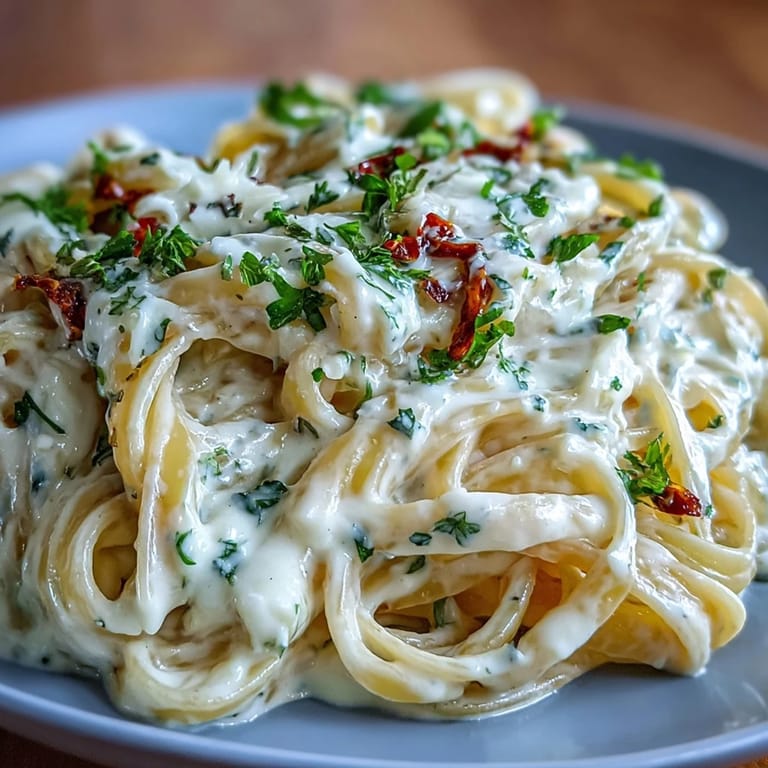
Save There's something quiet and grounding about standing at the stove while pasta water steams around you and the aroma of cauliflower and garlic fills the kitchen. My partner wandered in one evening while I was making this and said the whole house smelled like an Italian grandmother was cooking, which made me laugh because the secret ingredient is basically just a vegetable. These are the meals that remind me why I love to cook in the first place.
Making It Your Own
This recipe is a canvas, not a decree. I've added sautéed mushrooms on nights when I wanted earthiness, stirred in steamed broccoli when I wanted more greens without changing the flavor profile, and once threw in some crispy sage that had been lingering in my fridge. The cauliflower sauce is forgiving enough to play around with once you've made it once or twice and understand how it behaves.
For Different Diets
Going vegan is straightforward: swap the butter for plant-based alternatives, use unsweetened plant-based milk, and replace the Parmesan with nutritional yeast (use about the same amount and taste as you blend). Gluten-free pasta swaps in seamlessly, and I've used chickpea or lentil varieties too, which actually add a subtle nuttiness that works beautifully with the sauce. If dairy is the only thing you're avoiding, focus on finding the best plant-based milk you can afford because that's where the creaminess comes from.
Storing and Reheating
This dish is best served immediately, but leftovers keep in an airtight container in the fridge for up to three days. When you reheat, add a splash of milk or water to loosen the sauce back to its original silky state. I've also frozen portions successfully, though the texture changes slightly; it's still delicious but less creamy than fresh.
- Keep the sauce and pasta separate if you're meal-prepping to prevent the pasta from absorbing too much sauce and becoming mushy.
- A microwave reheats gently if you stir occasionally and add moisture bit by bit.
- This dish tastes even better the next day when all the flavors have had time to settle and deepen.
 Save
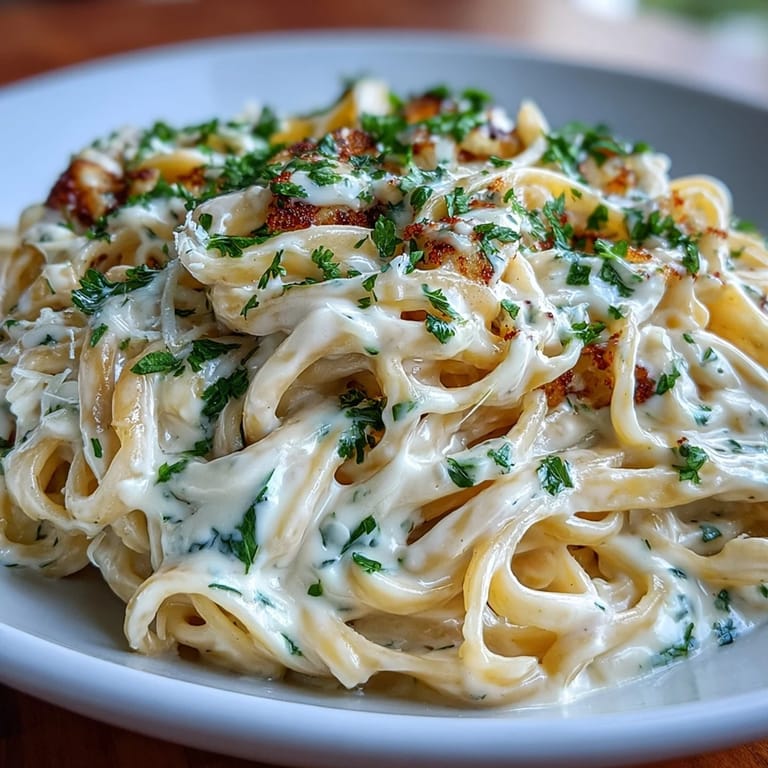
Save This recipe proves that eating lighter doesn't mean eating less satisfying food. Once you taste what's possible with just vegetables, butter, and cheese, you might find yourself making this more often than you expected.
Recipe FAQs
- → What makes this Alfredo lighter than traditional versions?
The sauce uses blended cauliflower instead of heavy cream, significantly reducing fat and calories while maintaining a velvety texture. Milk and a moderate amount of Parmesan provide creaminess without the richness of traditional Alfredo.
- → Can I make this dairy-free?
Yes. Substitute plant-based milk for dairy milk, use vegan butter instead of regular butter, and replace Parmesan with nutritional yeast or a vegan cheese alternative. The sauce will still blend smoothly and coat the pasta effectively.
- → What pasta shapes work best?
Fettuccine and linguine are ideal because their long, flat surface area holds the sauce beautifully. However, other shapes like penne, rigatoni, or spaghetti will also work well with this creamy preparation.
- → How do I achieve the smoothest sauce consistency?
Blend the cooked cauliflower thoroughly until no texture remains. Add pasta water a splash at a time while blending or tossing to reach your desired consistency. The starchy cooking water helps emulsify the sauce for a silkier finish.
- → Can I add protein to this dish?
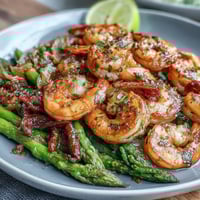
Absolutely. Grilled chicken, shrimp, or white beans make excellent additions. Sautéed mushrooms also work well and complement the cauliflower's mild flavor while adding extra texture and substance.