 Save
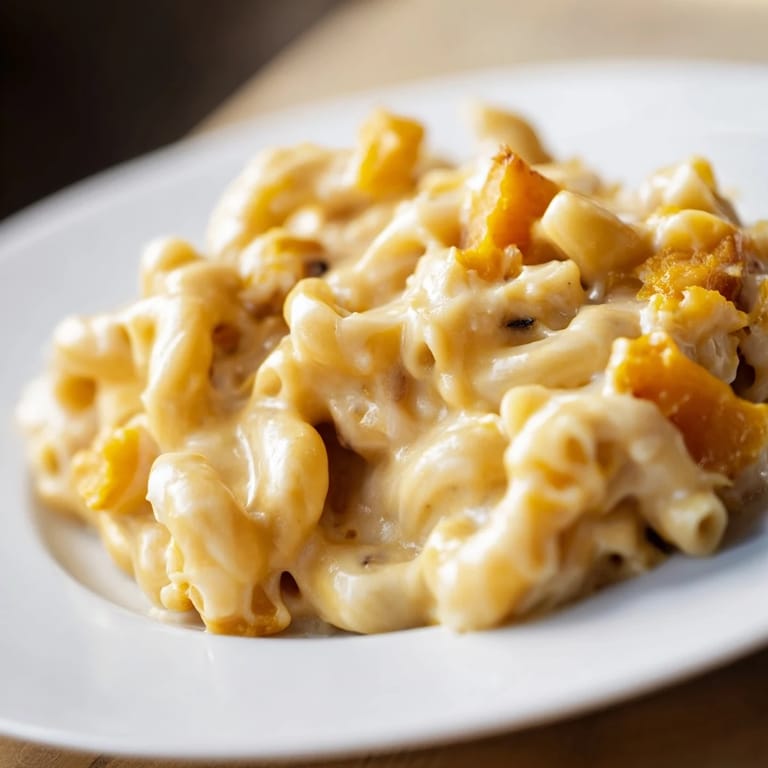
Save One October evening, I was staring at half a butternut squash I'd bought on impulse at the farmers market, wondering what to do with it besides soup. My roommate mentioned missing the mac and cheese her mom used to make, and something clicked—why not combine them? That first batch was a happy accident, with the squash adding this subtle sweetness that made the sharp cheddar sing instead of overwhelm. Now I make it whenever the weather turns cool and I need something that feels both indulgent and oddly elegant.
I served this to my partner on a rainy November night when we were both tired from work, and watching his face light up at that first bite—that moment of surprise when he tasted the squash—reminded me why I love cooking for people. He went back for seconds, then started planning which cheese he wanted me to use next time, and suddenly we were talking about making it with different combinations.
Ingredients
- 340 g elbow macaroni or small shells: Use whatever pasta shape you genuinely enjoy eating, because you'll taste every bite.
- 500 g butternut squash, peeled and cubed: The roasting is where the magic happens—don't skip it or rush it, because that caramelization brings out a sweetness that balances everything.
- 1 tbsp olive oil: Just enough to coat the squash for roasting.
- 1/2 tsp salt and 1/4 tsp black pepper: Season the squash generously before roasting to develop flavor.
- 2 tbsp unsalted butter: The foundation of your roux, so use butter you'd actually eat plain.
- 2 tbsp all-purpose flour: This thickens the sauce—don't skip it even though you might be tempted.
- 480 ml whole milk: Room temperature or slightly warmed prevents lumps when you whisk it in.
- 120 g sharp cheddar cheese: The sharp kind makes a real difference; mild cheddar just gets lost.
- 60 g Gruyère or fontina cheese: This adds nuttiness and complexity that makes people wonder what you did differently.
- 1/8 tsp nutmeg: Sounds strange but tastes like autumn—just a whisper of it.
- 1/2 tsp Dijon mustard: This brightens the sauce and makes the cheese flavor more vivid without tasting like mustard.
- Salt and pepper to taste: Add at the end because you'll already have seasoned the squash.
- 30 g panko breadcrumbs, 1 tbsp melted butter, and 2 tbsp parmesan (optional topping): If you do this, the broiler step gives you a textural contrast that changes everything.
Tired of Takeout? 🥡
Get 10 meals you can make faster than delivery arrives. Seriously.
One email. No spam. Unsubscribe anytime.
Instructions
- Roast the squash until it's caramelized and sweet:
- Preheat your oven to 200°C and toss the butternut squash cubes with olive oil, salt, and pepper. Spread them on a baking sheet in a single layer and let them roast for 20–25 minutes until the edges are golden and the texture is completely tender—this is where the flavor develops, so don't skip ahead.
- Cook the pasta to al dente:
- While the squash roasts, bring a large pot of salted water to a boil and add your pasta, cooking until it has a slight firmness to the bite. The pasta will soften slightly when you mix it with the hot sauce, so slightly firm is exactly what you want.
- Puree the roasted squash into silky smoothness:
- Make the roux, the foundation of everything:
- Melt your butter in a large saucepan over medium heat, then stir in the flour and let it cook for 1–2 minutes until it turns a light golden color and smells a bit toasty. This base is what thickens your sauce and gives it body.
- Build the sauce slowly and carefully:
- Pour in the milk gradually while whisking constantly—this is the secret to avoiding lumps—and keep whisking for 3–4 minutes until the sauce thickens enough to coat the back of a spoon. You should feel it change from liquid to silky.
- Melt in the cheeses and aromatics:
- Add your pureed squash along with the sharp cheddar, Gruyère, nutmeg, and Dijon mustard, stirring until everything is melted and smooth. Taste it here and season with salt and pepper—this is your moment to adjust.
- Bring it all together:
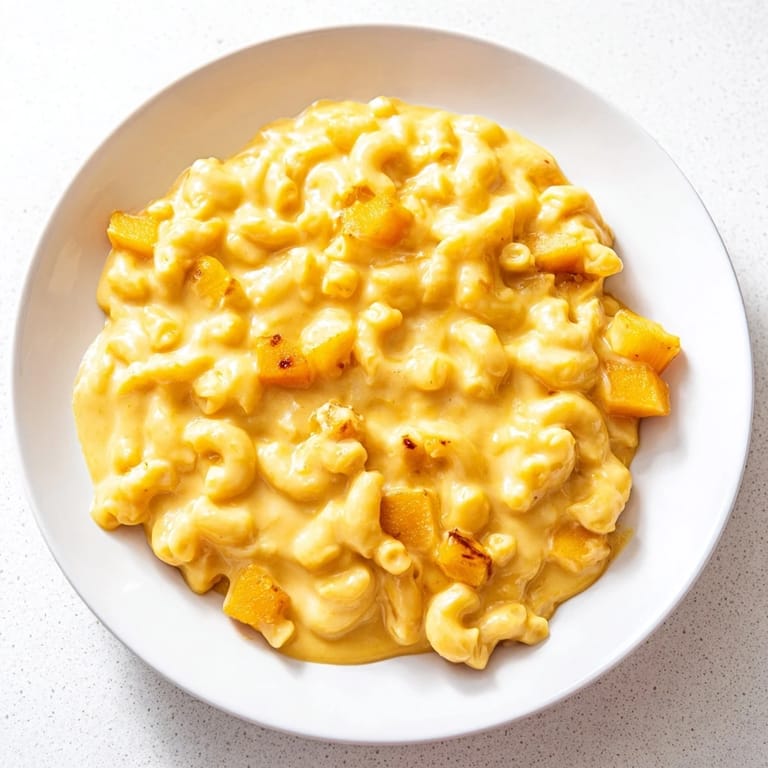
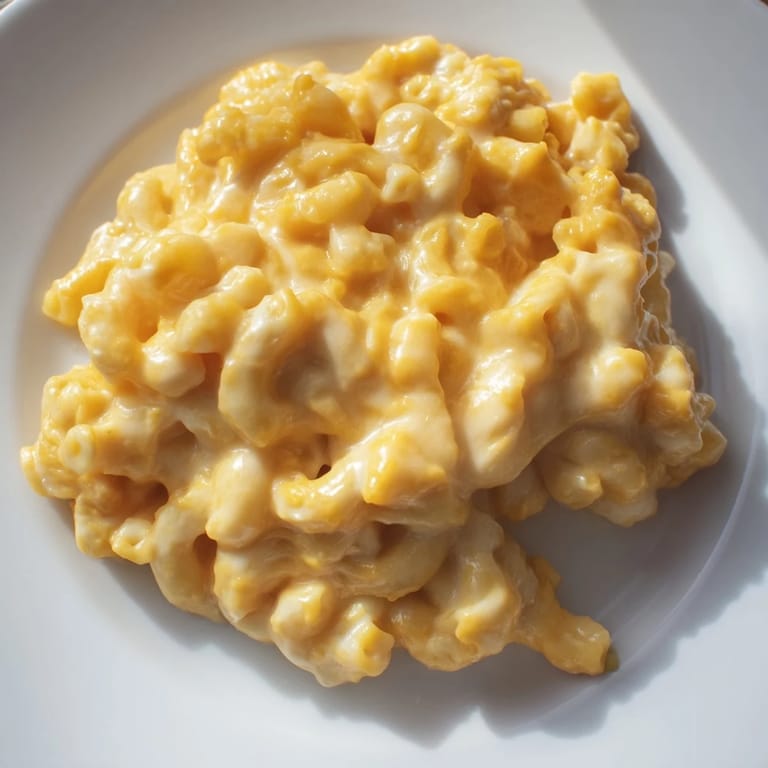
- Add the cooked pasta to the sauce and mix until every piece is coated in that golden, creamy mixture. This should feel luxurious and flow together like comfort itself.
- Optional crispy topping for textural contrast:
- If you want to finish it with panko, transfer everything to a lightly greased baking dish and sprinkle a mixture of panko, melted butter, and parmesan over the top. Broil for 2–3 minutes until it's golden and crunchy.
- Serve while it's still steaming:
- Plate it hot and add any extra cheese or fresh herbs you want, then eat it right away while the texture is perfect.
 Save
Save I made this for a dinner party once and someone asked if I'd added cream to it, which felt like the highest compliment—the squash creates this richness that fools people into thinking there's more butter and dairy than there actually is. That's when I knew this dish had something special.
Timing and Make-Ahead
You can roast the squash earlier in the day and puree it when you're ready to cook, which takes the pressure off when dinner time arrives. The whole dish comes together fastest if you start the squash roasting first, then boil your water and cook the pasta while it's finishing—by the time the squash is done, your pasta will be too, and you can move straight to the sauce. If you do make the entire dish ahead, reheat it gently on the stovetop with a splash of milk to loosen it, because the pasta will absorb sauce as it sits.
Flavor Swaps and Variations
This recipe is flexible in the best way because the butternut squash is the anchor, but everything else can shift based on what you have or what mood you're in. Swap the Gruyère for fontina if you want something earthier, or use mozzarella if you prefer a milder, creamier finish. A handful of sautéed spinach or kale stirred into the finished dish adds brightness without changing the comfort-food feeling. If you want to add protein, cooked chicken or crispy bacon works beautifully, though that changes it from vegetarian.
Wine Pairing and Serving
A crisp white wine like Chardonnay pairs beautifully with this—the acidity cuts through the richness and cleanses your palate between bites. Serve it as a main course with a simple green salad to balance the richness, or make it part of a fall menu where it sits alongside roasted vegetables or something bright.
- If you're serving it to guests, plate it straight from the pan because it stays hotter that way and looks more appealing with a little steam rising from it.
- Have extra grated cheese and fresh herbs like thyme or sage on hand for people to add their own finishing touch.
- Leftover mac and cheese is even better the next day, thinned with a splash of milk and reheated gently until it's creamy again.
 Save
Save This dish reminds me that sometimes the best meals come from looking at what you have and asking what would taste good together, then following your instincts. It's become one of those recipes I return to again and again, and every time it feels like I'm sharing something genuine.
Recipe FAQs
- → What type of squash is used?
Butternut squash is peeled, cubed, and roasted until caramelized for a sweet, nutty flavor that enhances the creamy sauce.
- → Can I use different pasta shapes?
Yes, elbow macaroni or small shells work well to hold the sauce, but other short pasta can be substituted.
- → How is the sauce thickened?
A roux made from butter and flour is cooked before whisking in milk and pureed squash to create a smooth, thick sauce.
- → Are there alternative cheeses that can be used?
Gruyère can be swapped with fontina or mozzarella for a milder, creamier flavor.
- → Is the topping necessary?
The panko topping adds a crunchy contrast but is optional; the dish is flavorful and creamy without it.
- → Can this dish be made vegan?
To make it vegan, substitute dairy with plant-based milk and vegan cheese alternatives, and use vegan butter or oil.