 Save
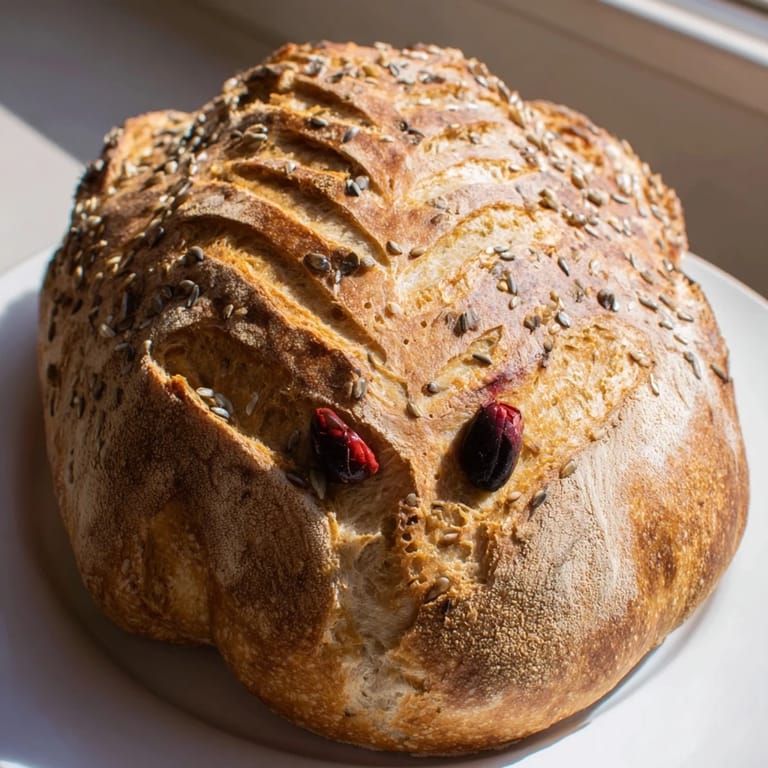
Save My neighbor peeked over the fence last November while I was shaping dough on the patio table, squinted, and asked if I was sculpting clay. When I told her it was bread, she laughed so hard she had to sit down. That turkey loaf became the talk of our block party, and now every fall someone asks if I'm making "that bird thing" again. It's messy, a little ridiculous, and always the first thing to disappear from the table.
I made this for Thanksgiving the year my oven broke halfway through dinner prep. While the repair guy worked, I nervously watched my turkey bread through the glass, praying it wouldn't collapse. It came out perfect, and my aunt declared it better than the actual turkey we eventually roasted. That bread saved the day, and I've never doubted sourdough's magic since.
Ingredients
- Bread flour: The high protein content gives this loaf structure and chew, which you need when building a sculptural bird that won't sag.
- Water (room temperature): Cold water slows fermentation, hot water kills yeast, room temp is the sweet spot for steady, predictable rise.
- Active sourdough starter: Make sure it's bubbly and doubled within 4 to 6 hours of feeding, or your dough will take forever to rise.
- Fine sea salt: It tightens the gluten and deepens flavor, don't skip it or your bread will taste flat and doughy.
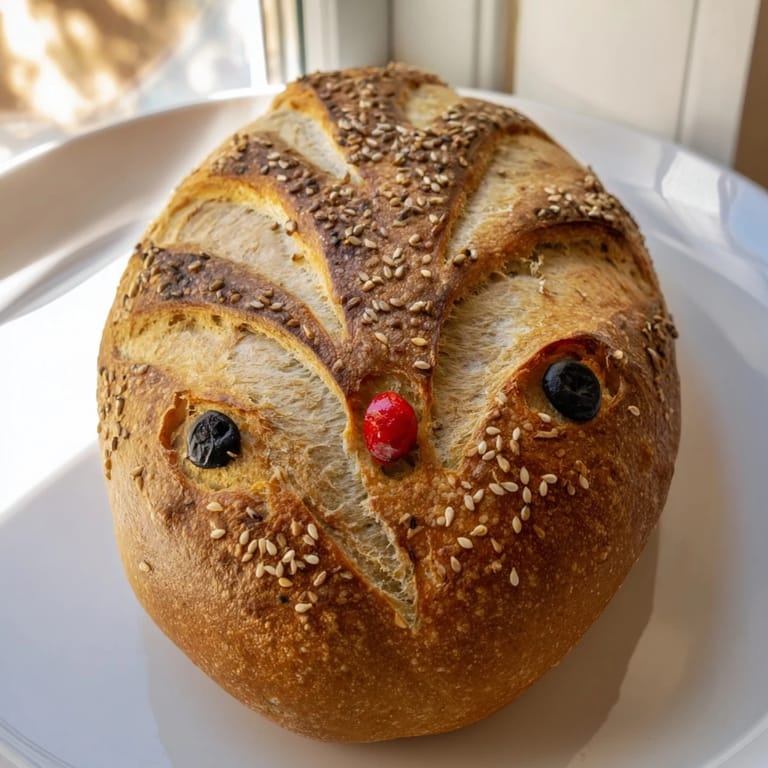
- Black olives or peppercorns: These become the eyes, press them in gently after the final proof so they don't pop out in the oven.
- Red bell pepper or dough: A tiny scrap of pepper makes a bright wattle, or you can tint a bit of dough with paprika if you're feeling fancy.
- Egg (optional): Brushing it on before baking gives a glossy, bakery style finish, but plant milk works too if you want to keep it vegan.
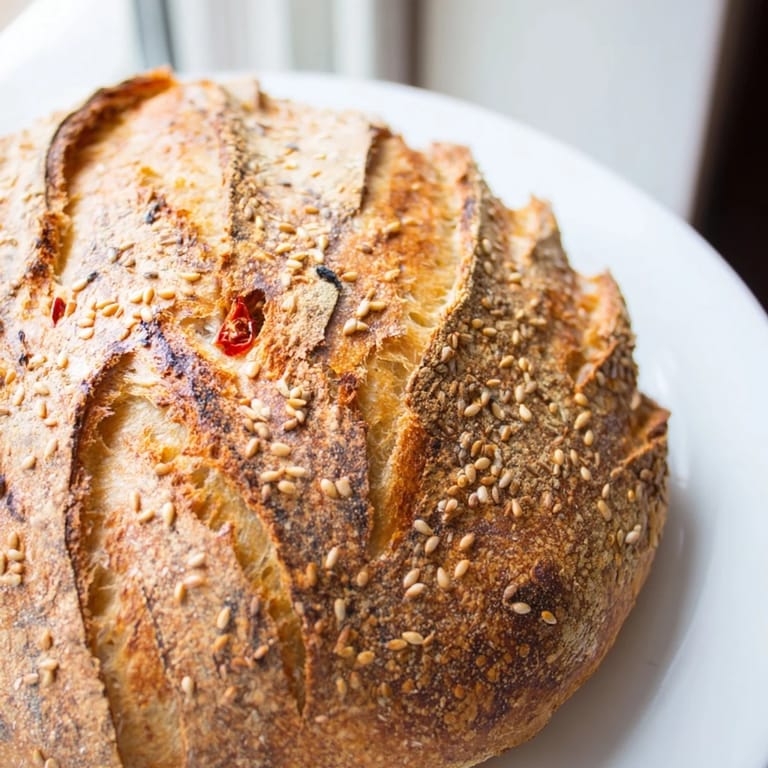
- Seeds (poppy, sesame, flax): Sprinkle them along the feather scores for texture and a rustic, feathered look that photographs beautifully.
Tired of Takeout? 🥡
Get 10 meals you can make faster than delivery arrives. Seriously.
One email. No spam. Unsubscribe anytime.
Instructions
- Autolyse the dough:
- Stir flour and water in a large bowl until no dry bits remain, then cover with a damp towel and let it rest for 30 to 45 minutes. This rest lets the flour hydrate fully, making the dough easier to handle and giving you a head start on gluten development.
- Add starter and salt:
- Squish the sourdough starter and salt into the dough with wet hands, pinching and folding until everything disappears into a shaggy, sticky mass. It will feel like a mess at first, but trust the process.
- Stretch and fold:
- Every 30 minutes for the next 2 hours, wet your hands, grab one edge of the dough, stretch it up, and fold it over itself, rotating the bowl a quarter turn each time. You'll feel the dough tighten and become smooth and elastic after the third or fourth round.
- Bulk ferment:
- Cover the bowl and let it sit at room temperature for 5 to 7 hours until the dough doubles in size and tiny bubbles dot the surface. The exact time depends on your kitchen's warmth, so watch the dough, not the clock.
- Shape the turkey:
- Turn the dough onto a floured surface and divide it into one large oval for the body, a golf ball sized round for the head, and several small teardrops for feathers and wings. Use a tiny bit of water to glue the head onto the body and arrange the feathers in a fan behind it.
- Score and decorate:
- With a sharp knife or lame, score feather lines into the tail pieces and wings, then press in olive slices for eyes and a sliver of red pepper for the wattle. These details make it unmistakably turkey like, even if your shaping is a little wonky.
- Final proof:
- Cover the assembled loaf loosely with a towel or plastic and let it rest for 1 to 2 hours until it looks slightly puffy and holds a gentle fingerprint. Don't overproof or it will spread and lose its shape in the oven.
- Preheat oven with steam setup:
- Set your oven to 230°C (450°F) and place a baking stone or steel on the middle rack, letting it heat for at least 30 minutes. Put a shallow metal pan on the bottom rack, you'll pour water into it later to create steam.
- Apply egg wash and seeds:
- If you want a shiny crust, gently brush the loaf with beaten egg, then scatter seeds along the feather scores for texture. For a vegan version, use almond or oat milk instead.
- Bake with steam:
- Slide the parchment with your turkey onto the hot stone, pour half a cup of water into the bottom pan, and quickly close the oven door to trap the steam. Bake for 20 minutes, then lower the heat to 200°C (400°F) and bake another 20 minutes until deep golden and hollow sounding when tapped.
- Cool completely:
- Transfer the loaf to a wire rack and resist slicing for at least an hour, even though it smells incredible. Cutting too soon releases all the steam and leaves you with a gummy interior.
 Save
Save The year my nephew turned six, he stood on a stool and helped me press peppercorns into the turkey's face, giggling every time one rolled off the counter. When we pulled it from the oven, he announced it looked just like the picture in his book. Watching him tear off a feather and dunk it in butter made every fiddly minute of shaping worth it.
How to Know When Your Dough Is Ready
After bulk fermentation, your dough should feel airy and jiggly, almost alive when you tilt the bowl. If you poke it gently with a floured finger, the indent should slowly spring back halfway but still leave a slight dimple. If it springs back completely, give it another 30 minutes, and if it doesn't spring at all, you've let it go too long and the structure might be weak.
Shaping Without the Stress
The first time I shaped this turkey, I overthought every feather and ended up with a lopsided blob. Now I remind myself it's bread, not surgery. Rough edges and uneven feathers bake into character, and no one at the table will notice if one wing is slightly smaller than the other. Flour your hands lightly, work quickly, and let the dough guide you instead of forcing perfection.
Serving and Storage Ideas
This loaf shines as a centerpiece, set it on a wooden board surrounded by butter, olive oil, or a small dish of flaky salt. Leftovers make exceptional toast, and day old slices are perfect for stuffing or breadcrumbs. If you need to store it, wrap cooled bread in a linen towel and keep it cut side down on the counter for up to three days, or slice and freeze for up to a month.
- Serve it whole and let guests tear off pieces, it's interactive and fun.
- Pair it with a pot of soup or a simple salad for a cozy fall meal.
- Toast thick slices and top with mashed avocado, tomatoes, or ricotta for breakfast.
 Save
Save Every time I pull this turkey bread from the oven, I feel like a kid again, proud and a little amazed that something this fun actually worked. I hope it brings the same joy to your table, feathers and all.
Recipe FAQs
- → How long does the entire process take?
Total time is 11-13 hours, including 10-12 hours fermentation and 1.5-2 hours active preparation and baking. You can stretch this over two days by cold fermenting overnight, which also develops deeper flavor.
- → Can I make this without a baking stone?
While a preheated baking stone creates optimal oven spring and crust, you can use a Dutch oven or inverted baking sheet. The key is preheating thoroughly to achieve the dramatic rise and crackling exterior.
- → What's the difference between stretch and folds and traditional kneading?
Stretch and folds gently develop gluten while preserving the dough's open crumb structure. Performed every 30 minutes over 2 hours, they build strength without degassing the dough like vigorous kneading would.
- → How do I know when bulk fermentation is complete?
The dough should have doubled in volume with visible bubbles throughout. Gently poke the surface—it should spring back slowly. Temperature matters: cooler fermentation (21-23°C) takes longer but develops better flavor.
- → Can I adjust the shaping without affecting baking?
Absolutely. The core dough remains the same whether shaped as a turkey or traditional round loaf. Just ensure all components are securely attached and proof appropriately before baking for consistent results.
- → Is this suitable for vegan diets?
Yes, this loaf is naturally vegan-friendly. Skip the egg wash and use plant milk if desired for shine. The olives, pepper, and seed toppings remain completely plant-based.