 Save
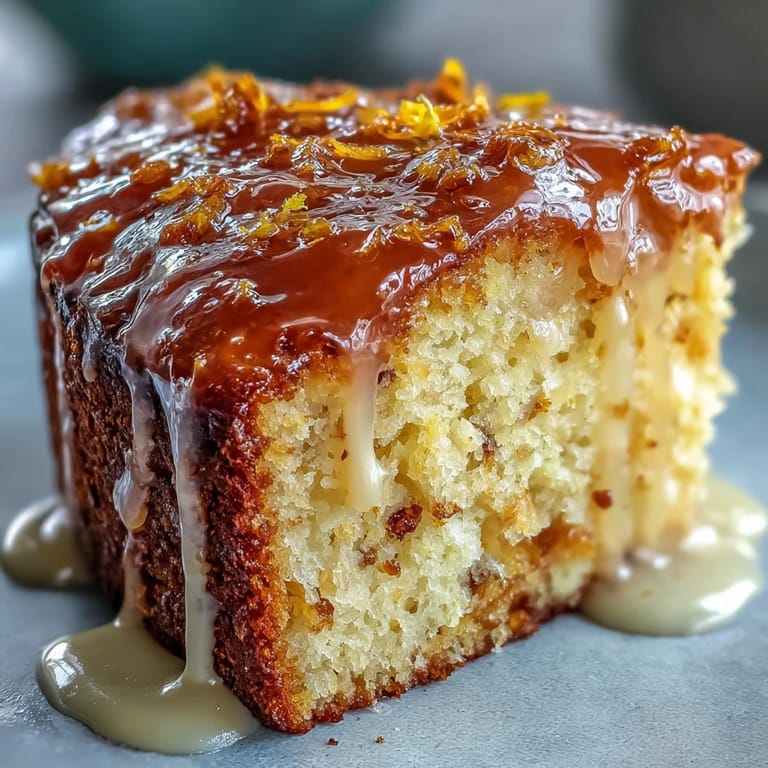
Save The first blood oranges showed up at the market in late January, their crimson flesh almost glowing under the vendor's lights. I bought six on impulse, enchanted by their jewel-like color, and spent the drive home imagining how to use them. By the time I unlocked my door, I'd already decided on a yogurt cake—something simple enough to let the fruit shine, but rich enough to feel indulgent. That evening, my kitchen smelled like a citrus grove kissed by vanilla, and I knew I'd made the right call.
I made this cake for a winter brunch with friends who were skeptical about citrus desserts in cold weather. One bite in, the room went quiet except for the scrape of forks on plates. Someone asked for the recipe before they'd even finished their slice. I remember feeling oddly proud, not because the cake was complicated, but because it proved that brightness and comfort aren't opposites—they can live together in one perfect loaf.
Ingredients
- All-purpose flour: The backbone of the cake's structure, measured by spooning it into the cup and leveling off to avoid a dense crumb.
- Baking powder: Gives the cake its gentle lift; make sure yours is fresh or the texture will fall flat.
- Salt: Just a pinch to balance the sweetness and amplify the citrus notes.
- Plain Greek yogurt: Adds tanginess and moisture; full-fat works best, but low-fat is fine if that's what you have.
- Granulated sugar: Sweetens the batter and helps create a tender crumb when creamed with the yogurt.
- Eggs: Room temperature eggs blend more smoothly and create a lighter texture.
- Blood orange zest: The oils in the zest carry intense flavor, so don't skip this step.
- Blood orange juice: Freshly squeezed is non-negotiable here; bottled juice tastes flat and dull by comparison.
- Vanilla extract: A warm undertone that rounds out the citrus without competing with it.
- Coconut oil: Melted and cooled, it keeps the cake moist and adds a subtle tropical whisper.
- Powdered sugar: Sifted to avoid lumps in the icing, it dissolves beautifully into the juice.
Tired of Takeout? 🥡
Get 10 meals you can make faster than delivery arrives. Seriously.
One email. No spam. Unsubscribe anytime.
Instructions
- Prep Your Pan:
- Preheat the oven to 350°F and butter every corner of a 9x5-inch loaf pan, then dust it with flour or line it with parchment for easy release. This step prevents heartbreak when you try to unmold a gorgeous cake that sticks.
- Mix the Dry Base:
- Whisk together the flour, baking powder, and salt in a medium bowl until evenly distributed. Set it aside while you build the wet ingredients.
- Cream Yogurt and Sugar:
- In a large bowl, whisk the Greek yogurt and granulated sugar until the mixture is smooth and slightly glossy. This takes about a minute of vigorous whisking.
- Add Eggs and Citrus:
- Whisk in the eggs one at a time, letting each one blend fully before adding the next, then stir in the blood orange zest, juice, and vanilla extract. The batter will smell incredible at this point.
- Fold in Dry Ingredients:
- Gradually fold the flour mixture into the wet ingredients using a spatula, stirring just until no streaks remain. Overmixing develops gluten and toughens the cake.
- Incorporate the Oil:
- Gently fold in the melted coconut oil until it disappears into the batter, working slowly to keep the mixture light. Pour the batter into your prepared pan and smooth the top with a spatula.
- Bake Until Golden:
- Slide the pan into the oven and bake for 50 minutes, or until a toothpick inserted in the center comes out clean or with just a few moist crumbs. The top should be golden and spring back when lightly pressed.
- Cool in Stages:
- Let the cake rest in the pan for 10 minutes to firm up, then turn it out onto a wire rack to cool completely. Rushing this step will cause the icing to slide right off.
- Make the Icing:
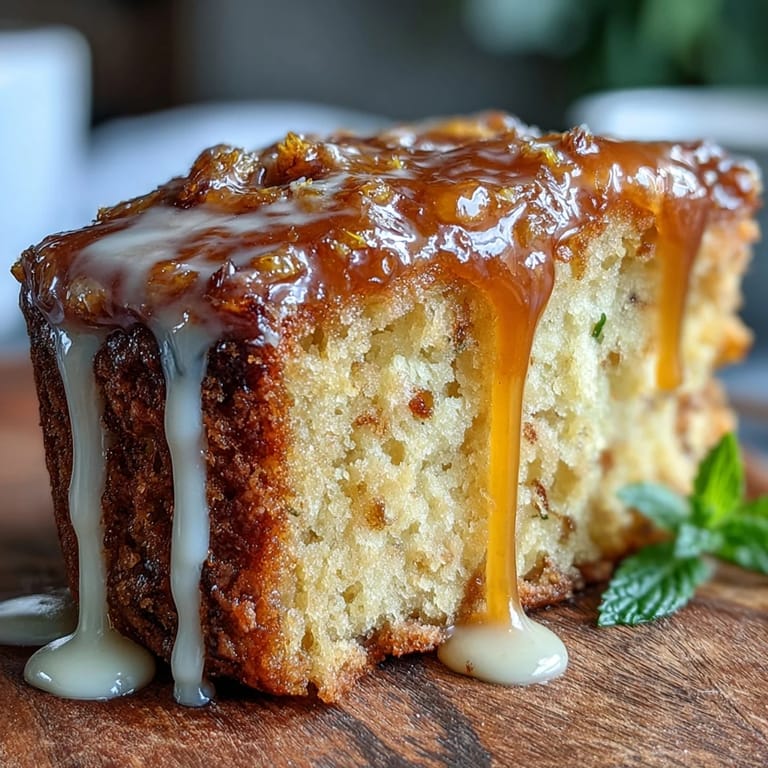
- Whisk together the powdered sugar, blood orange juice, and zest until smooth and pourable, adjusting with a teaspoon of juice if it's too thick. Drizzle it over the cooled cake and let it set for at least 20 minutes before slicing.
 Save
Save The second time I baked this, I sliced into it while it was still warm, ignoring my own advice, and the icing pooled into the crumb like syrup. It tasted amazing, but it looked like a mess. Now I set a timer and distract myself with dishes or a cup of tea, because patience really does pay off. This cake deserves to look as stunning as it tastes.
Choosing Your Citrus
Blood oranges are seasonal, usually appearing from December through May, and their flavor varies from sweet to tart depending on the variety. If you can't find them, regular navel oranges work, but the color won't be as dramatic and the taste will be a bit milder. I've also tried this with Cara Cara oranges, which have a pinkish hue and a berry-like sweetness that's absolutely lovely. Whatever you use, make sure the fruit is fragrant and heavy for its size, a sign that it's juicy and ripe.
Storing and Serving
This cake stays moist at room temperature for up to two days if you cover it loosely with a kitchen towel or store it in an airtight container. After that, I move it to the fridge, where it keeps for up to five days and develops an even denser, more tender crumb. Serve it with a dollop of whipped cream or a handful of fresh berries, or just eat it plain with your morning coffee. It's versatile enough to be breakfast, dessert, or an afternoon pick-me-up.
Make It Your Own
Once you've made this cake as written, it's easy to riff on the formula. Swap the coconut oil for melted butter if you prefer a more classic flavor, or add a tablespoon of poppy seeds for a subtle crunch. I've stirred in a handful of chopped pistachios before baking, which added a gorgeous green fleck and a nutty richness. You can also double the icing if you like a thicker glaze, or skip it entirely and dust the top with powdered sugar for a simpler finish.
- Try adding a teaspoon of cardamom to the dry ingredients for a warm, spiced note.
- Brush the warm cake with a simple syrup made from blood orange juice and sugar for extra moisture.
- Top each slice with candied blood orange slices for an elegant presentation.
 Save
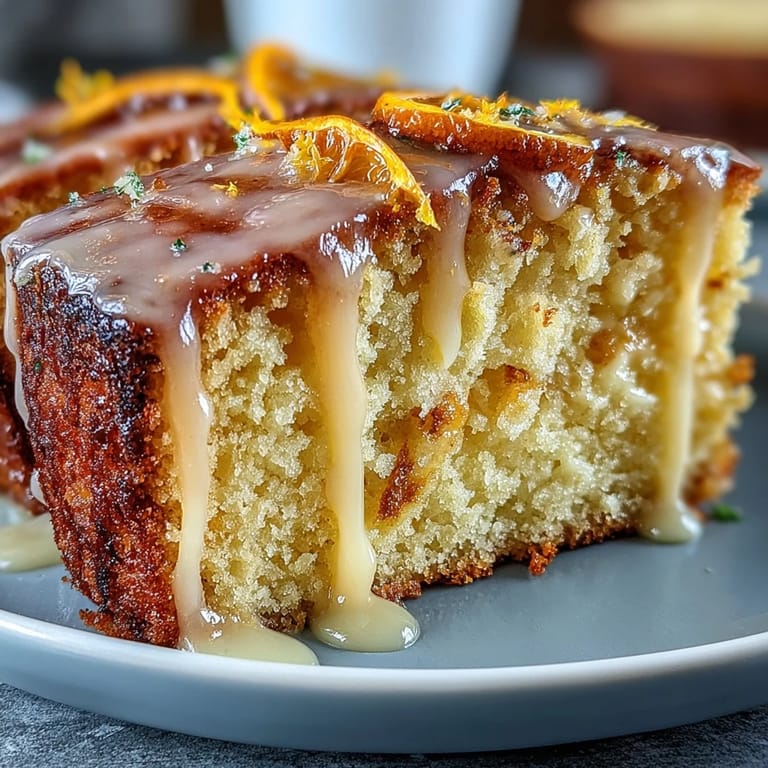
Save There's something about slicing into this cake that feels like a small celebration, even on an ordinary Tuesday. The bright icing, the tender crumb, the way the citrus perfume fills the room—it all adds up to a moment of pure, uncomplicated joy.
Recipe FAQs
- → Can I use regular oranges instead of blood oranges?
Yes, navel or Valencia oranges work perfectly as substitutes. The cake will still be delicious, though you'll miss the stunning ruby-red hue that blood oranges provide naturally.
- → What makes Greek yogurt special in baked goods?
Greek yogurt adds protein and acidity, which creates an exceptionally tender crumb while keeping the cake moist. Its thick texture also provides structure without making the dessert heavy.
- → How do I know when the loaf is done baking?
Insert a toothpick into the center—if it comes out clean or with just a few moist crumbs, it's ready. The top should be golden brown and slightly firm to the touch.
- → Can I make this ahead of time?
Absolutely! The loaf actually tastes better on day two as flavors meld. Store covered at room temperature for up to 2 days, or refrigerate for up to a week. Add the icing just before serving.
- → What's the best way to get the most zest from my oranges?
Use a microplane or fine zester, gently grating only the colorful outer layer. Avoid the white pith underneath, which can add bitterness. One medium blood orange typically yields about 1 tablespoon of zest.
- → Can I freeze this citrus loaf?
Yes! Wrap the completely cooled loaf tightly in plastic wrap, then foil. Freeze for up to 3 months. Thaw at room temperature, then add fresh icing before serving for best results.