 Save
Save My sister called me mid-afternoon asking if I could bring dessert to her book club, and my first instinct was to panic. Then I remembered a revelation I'd had weeks earlier while standing in the grocery store, staring at a tub of cottage cheese and wondering why nobody talks about it in cheesecake. That afternoon, I made this chocolate version for the first time, and watching my sister's friends ask for the recipe while genuinely shocked it was high-protein? That's when I knew this wasn't just lighter—it was legitimately better.
I was nervous the first time I served this at a dinner party—not because I doubted the recipe, but because I'd invited someone who's obsessed with traditional cheesecake and isn't shy about her opinions. She took one bite, paused, and said, "Okay, you can't tell anyone this exists or it'll ruin the entire cheesecake industry." We both laughed, but I knew right then this deserved a permanent spot in my rotation.
Ingredients
- Graham cracker crumbs: These form your foundation, and I learned the hard way that crushing them yourself gives better texture than pre-packaged versions.
- Coconut oil or melted butter: Either works beautifully, though coconut oil adds a subtle warmth I've come to prefer in chocolate desserts.
- Unsweetened cocoa powder (for crust and filling): This is where the chocolate soul lives—don't skimp on quality here, and make sure it's unsweetened or your cheesecake will taste bitter.
- Maple syrup: Brings a gentle depth that regular sugar can't quite match, binding everything together in the crust.
- Low-fat cottage cheese: The star ingredient that deserves respect—blending it smooth is non-negotiable, as tiny curds will haunt you.
- Plain Greek yogurt: Keeps everything creamy while adding tang and extra protein without heaviness.
- Eggs: These structure the filling, so don't be tempted to skip them or substitute carelessly.
- Granulated sugar or sweetener: Use what you trust; I've tested both and they work equally well here.
- Cornstarch: This small addition prevents cracking and gives you that signature cheesecake texture without excess richness.
- Dark chocolate chips: Melted and cooled chocolate stirred into the filling creates depth and ensures even distribution of flavor.
- Greek yogurt topping and honey: Optional but transforms the final presentation into something restaurant-worthy.
Tired of Takeout? 🥡
Get 10 meals you can make faster than delivery arrives. Seriously.
One email. No spam. Unsubscribe anytime.
Instructions
- Prepare your pan:
- Preheat your oven to 170°C and line a 20 cm springform pan with parchment paper—this small step prevents sticking and makes removal effortless.
- Build the crust:
- Combine graham cracker crumbs with cocoa powder, coconut oil, and maple syrup, then press firmly and evenly across the bottom. Bake for just 8 minutes; you're looking for it to set without browning, which keeps it from becoming too hard.
- Blend the filling smooth:
- This is the moment that matters most—process the cottage cheese alone for 1 to 2 minutes until completely silky, then add Greek yogurt, eggs, sugar, cocoa powder, vanilla, cornstarch, and melted chocolate. You want the batter glossy and lump-free; if you see any white specks, keep blending.
- Pour and smooth:
- Spread the filling over your cooled crust and take a moment to level the top with a rubber spatula for even baking.
- Bake and cool gently:
- Bake for 35 to 40 minutes until the center jiggles just slightly when you shake the pan—it should still look a tiny bit underdone. Turn off the heat, crack the door open, and let it sit inside the warm oven for a full hour, which prevents the cracking that happens from sudden temperature drops.
- Chill and set:
- Remove from the oven and refrigerate for at least 3 hours, though overnight is honestly better if you can wait that long.
- Serve with intention:
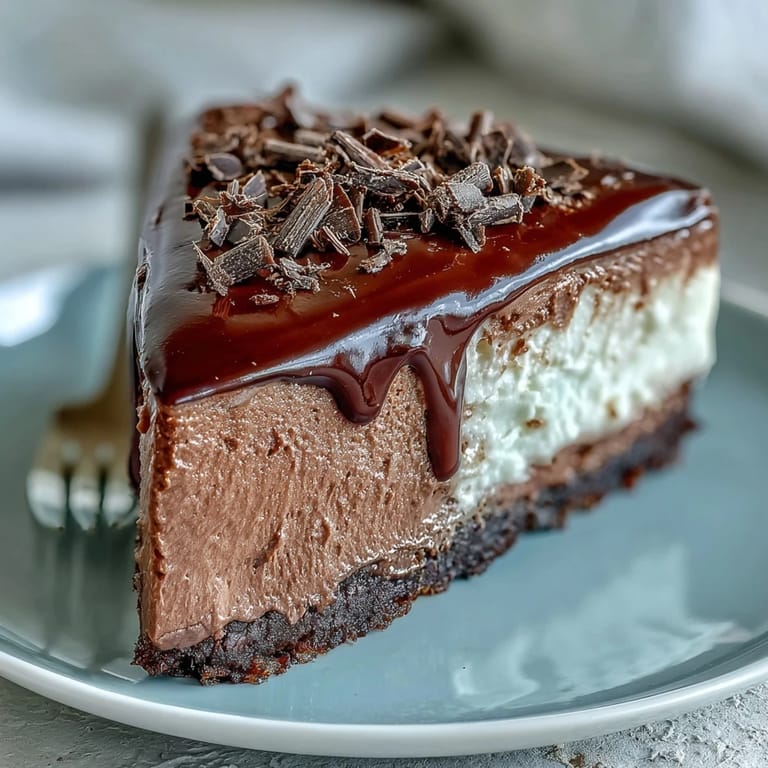
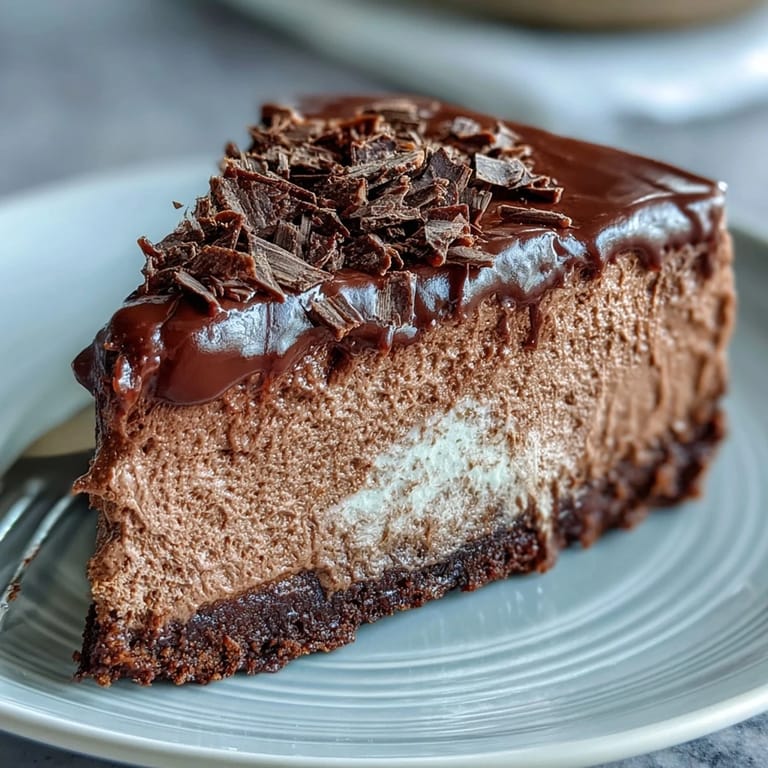
- Top with a dollop of Greek yogurt and dark chocolate shavings if you're feeling fancy, or serve it plain and let the chocolate speak for itself.
 Save
Save There was a moment during a Tuesday afternoon when my nephew, who's usually suspicious of anything remotely healthy, asked for seconds and then a third slice. His mother looked at me with gratitude in her eyes because she'd been trying to get him to eat more protein, and suddenly dessert became her secret weapon. That's when I understood this recipe was about more than just being lighter—it was about proving that compromise and indulgence don't have to be enemies.
The Science Behind the Smoothness
I spent weeks understanding why this cheesecake works when so many lighter versions feel like you're eating a well-meaning health trend. The cottage cheese, when properly blended, develops a structure that's nearly identical to cream cheese, but the Greek yogurt adds a subtle tang that actually makes the chocolate taste more intense. The cornstarch binds everything without adding fat, and the eggs provide structure without requiring heavy cream. It's not a compromise—it's a different approach that happens to be better.
Timing and Temperature Matter
The exact oven temperature and baking time are crucial here because we're not using the traditional cream cheese buffer that can tolerate higher heat. I've learned that 170°C is the sweet spot where the filling sets without curdling, and watching that gentle jiggle in the center tells you everything you need to know about doneness. Overbaking by even ten minutes turns this from silky to dense, so trust your instincts and don't be afraid to pull it out early.
Variations and Personal Touches
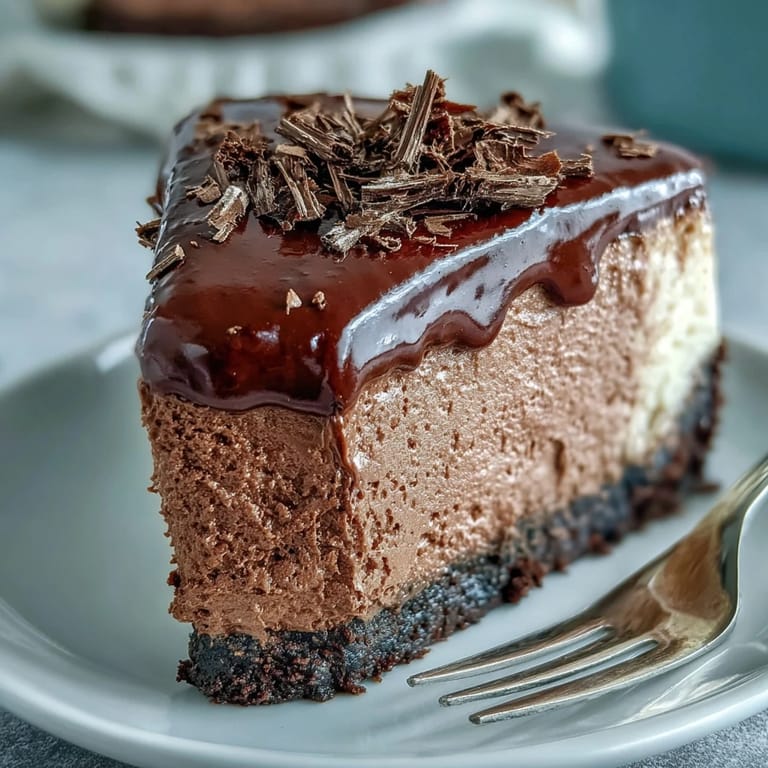
Once you understand how this foundation works, the door opens to so many possibilities. I've made versions with espresso powder stirred into the filling, others with a hint of cardamom in the crust, and one memorable batch where I topped it with a dark chocolate ganache that made everyone forget about being diet-conscious. The beauty of this recipe is that it's sturdy enough to handle creativity but delicate enough to remind you why you're making it in the first place.
- Try adding a teaspoon of instant espresso powder to the filling for a mocha depth that feels sophisticated.
- Swap a tablespoon of the cocoa powder for crushed freeze-dried raspberries if you want subtle fruity notes without extra moisture.
- Make it completely gluten-free by using gluten-free graham crackers and knowing nobody will be able to tell the difference.
 Save
Save This cheesecake taught me that the best desserts are the ones you actually feel good about eating, and this one delivers both satisfaction and genuine delight. Make it for someone you love, or better yet, make it for yourself and savor every moment of knowing you didn't sacrifice anything that matters.
Recipe FAQs
- → Does the cottage cheese make the texture grainy?
Not when blended properly. Processing the cottage cheese for 1-2 minutes until completely smooth ensures a silky, creamy texture indistinguishable from traditional cheesecake.
- → Can I use a different sweetener?
Absolutely. Granulated sugar, erythritol, monk fruit, or stevia all work well. Adjust the amount based on your sweetener's intensity and personal taste preferences.
- → Why cool the cheesecake in the oven with the door cracked?
This gradual cooling method prevents the cheesecake from cracking by reducing temperature shock. The gentle cooling helps the filling set properly without developing surface cracks.
- → How long does this cheesecake keep in the refrigerator?
Properly covered, this cheesecake stays fresh for 4-5 days refrigerated. The flavors often deepen and improve after a day or two, making it great for meal prep.
- → Can I make this crust-free?
Yes. Simply skip the crust step and grease your springform pan with a little coconut oil or butter. Pour the filling directly into the prepared pan and bake as directed.
- → What's the purpose of cornstarch in the filling?
Cornstarch acts as a stabilizer, helping the cheesecake set properly and preventing it from becoming too soft or weeping during baking and chilling.