 Save
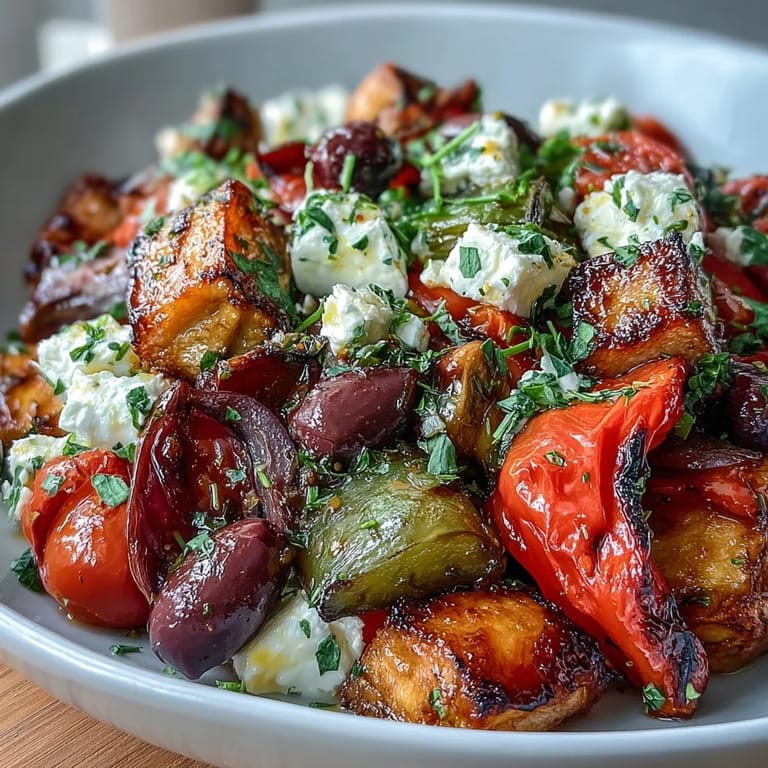
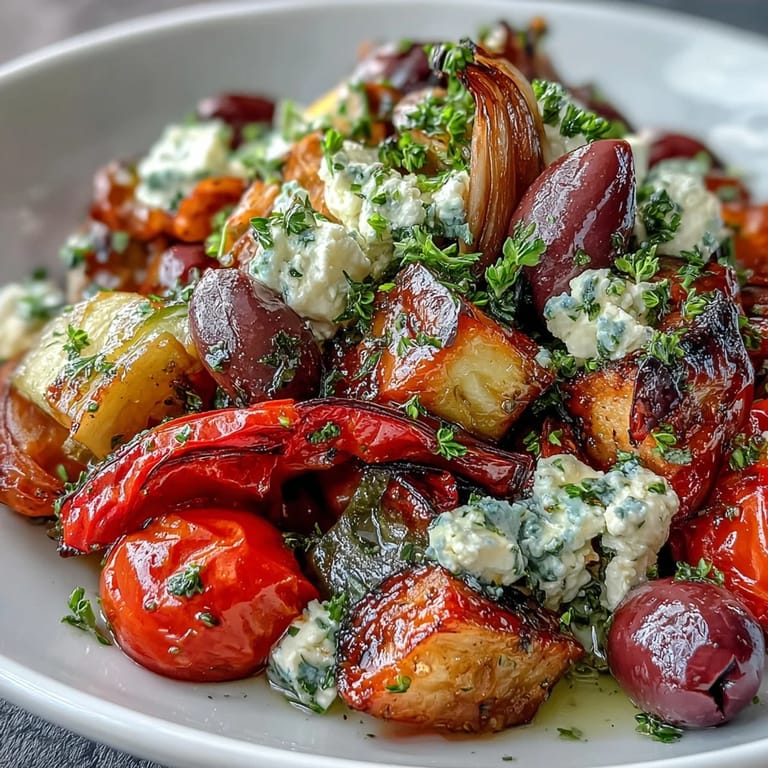
Save There's something magical about the moment vegetables hit a hot oven and the kitchen fills with that caramelized, slightly smoky aroma. I stumbled onto this roasted Greek salad version on a breezy evening when I had bell peppers going soft in the crisper drawer and decided warming them up might actually be better than eating raw. The result was so unexpectedly delicious—tender, sweet vegetables against cool, salty feta and briny olives—that it completely changed how I think about salads. Now it's my go-to when I want something that feels both sophisticated and utterly unfussy.
I made this for my sister's impromptu dinner party when she texted me an hour before guests arrived, and I watched her stress completely evaporate the moment everyone tasted it. There's something about serving a warm salad that feels almost rebellious—people expect cold, they get warm and comforting instead. She asked for the recipe three times that night, each time convinced she'd forgotten it, which I took as the highest compliment possible.
Ingredients
- Red and yellow bell peppers: These are your sweetness anchor—roasting coaxes out their natural sugars and gives them a tender bite that's nothing like raw peppers.
- Red onion: Cut into wedges rather than thin slices so they soften into jammy pieces instead of disappearing; the sharp bite mellows beautifully in the oven.
- Zucchini and eggplant: Both get wonderfully creamy when roasted, creating different textures throughout the dish, and they absorb flavor like tiny flavor sponges.
- Cherry tomatoes: These burst slightly in the heat and concentrate their sweetness, becoming almost compote-like in the best way.
- Extra-virgin olive oil: Use the good stuff here—you taste it directly in both the roasting and the dressing, so this is where quality actually matters.
- Kalamata olives: Their briny intensity provides essential seasoning contrast; pitting them yourself (or buying pre-pitted) saves the awkward pit-spitting moment at the table.
- Feta cheese: The cool, salty crumbles are your finishing touch, staying slightly firm while everything around them is warm and soft.
- Fresh lemon juice and red wine vinegar: Together they create brightness that cuts through the richness of the oil and cheese, keeping the whole dish balanced.
- Dried oregano: This is the flavor that whispers Mediterranean throughout everything—don't skip it or swap it for Italian seasoning, as oregano is irreplaceable here.
Tired of Takeout? 🥡
Get 10 meals you can make faster than delivery arrives. Seriously.
One email. No spam. Unsubscribe anytime.
Instructions
- Get your oven ready and prep your vegetables:
- Preheat to 220°C (425°F) and line a baking sheet with parchment paper—this prevents sticking and makes cleanup almost laughable. While it heats, cut your peppers, onion, zucchini, and eggplant into roughly similar-sized pieces so they roast evenly; uneven pieces mean some will burn while others stay firm.
- Toss and roast until golden:
- Combine your prepared vegetables on the baking sheet, drizzle generously with olive oil, season with salt and pepper, and toss until every piece glistens. Roast for 25–30 minutes, stirring everything around halfway through so you get that gorgeous caramelization on all sides—this is where the magic happens.
- Make the dressing while vegetables roast:
- In a small bowl, whisk together olive oil, red wine vinegar, lemon juice, oregano, Dijon mustard, and finely grated garlic until it emulsifies slightly and thickens. Taste it and adjust—this dressing should make your mouth water a little, as it's the flavor backbone for the whole dish.
- Build your salad:
- Arrange fresh cucumber slices on a large platter as your cool base, then pile those warm roasted vegetables right on top while they're still steaming slightly. Scatter olives and feta chunks over everything, drizzle generously with dressing, and finish with a handful of fresh chopped parsley.
- Serve with intention:
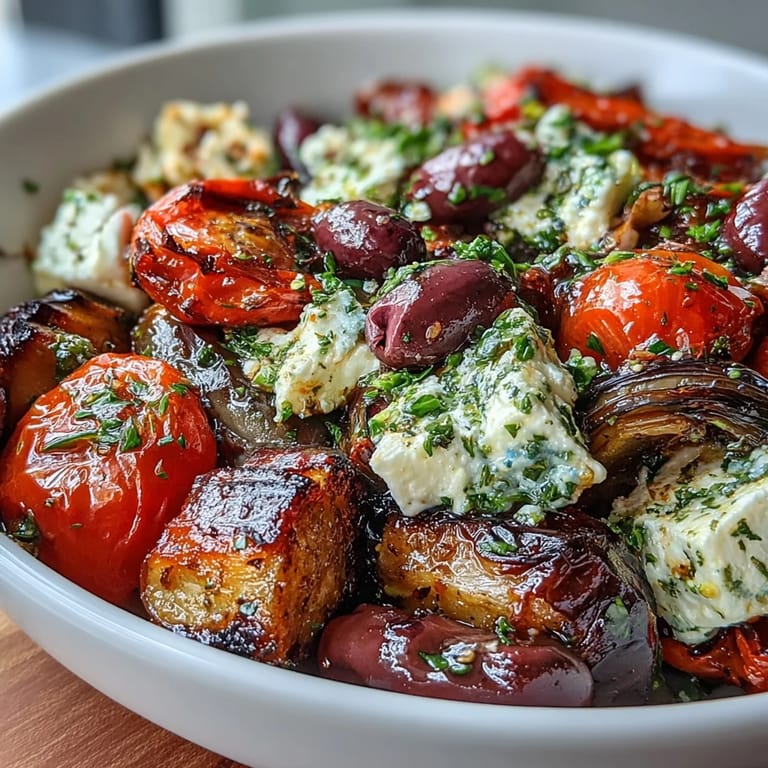
- This salad is stunning served warm, when the feta softens just slightly from the heat, or at room temperature if you need to make it ahead. Gentle tossing preserves the texture better than vigorous mixing, so fold everything together just before eating.
 Save
Save There's a moment right when you dress this salad where warm vegetables meet cool feta and everything comes together in this perfect temperature contrast that somehow feels luxurious. It's the kind of dish that transforms a regular Tuesday night into something almost celebratory, which might be the best thing any recipe can actually do.
The Power of Roasting Vegetables
Roasting completely rewires how vegetables taste—the dry heat of the oven evaporates moisture and concentrates natural sugars, creating depth that steaming or boiling simply cannot achieve. I spent years making traditional Greek salads with raw vegetables before realizing I was missing this entire flavor dimension, and now I roast vegetables for everything from grain bowls to simple side dishes. The Maillard reaction (fancy kitchen speak for browning) is what gives roasted vegetables their almost savory-sweet complexity, and it's absolutely worth the extra 30 minutes.
Dressing Decisions
The dressing here is intentionally simple—no cream, no complicated technique—because it needs to complement rather than compete with the warm vegetables. The Dijon mustard acts as an emulsifier, helping the oil and vinegar become friends instead of immediately separating, while the oregano ties everything back to that Mediterranean theme. I've learned that whisking for just a minute creates a slightly thickened dressing that clings to vegetables better than a thin vinaigrette, which makes the difference between a dressed salad and one where all the flavor pools at the bottom.
Making It Your Own
This recipe is genuinely flexible, which is one of reasons I keep coming back to it—you can swap vegetables based on what's in your kitchen or what looks beautiful at the market that day. Roasted mushrooms add an earthy richness, crispy potatoes make it more substantial, even roasted fennel brings an unexpected anise note that some people find transformative. I've learned that the vegetables you choose matter less than treating them with respect in a hot oven and finishing with that bright dressing and cool, salty toppings.
- Try adding roasted chickpeas or white beans for extra protein if you're making this into a full meal.
- Capers or sun-dried tomatoes intensify the briny, complex flavors if you're craving more depth.
- Serve alongside grilled pita or crusty bread to catch every drop of dressing, because it's genuinely too good to waste.
 Save
Save This roasted Greek salad has genuinely become my answer to "what should I bring?" at gatherings, because it travels beautifully and tastes even better the next day when flavors have had time to mingle. Make it, love it, and watch it become the thing people request every single time you mention potlucks.
Recipe FAQs
- → Can I make this salad ahead of time?
Yes, you can roast the vegetables up to a day in advance and store them in the refrigerator. Bring to room temperature before assembling with fresh cucumber, olives, and dressing for best results.
- → What vegetables work best for roasting in this salad?
Bell peppers, red onion, zucchini, and eggplant are ideal as they hold their shape well during roasting. Cherry tomatoes add sweetness and become slightly jammy. Feel free to add mushrooms or swap vegetables based on preference.
- → Is this salad served warm or cold?
This salad is best served warm or at room temperature, which allows the roasted vegetables to maintain their tender texture and the flavors to meld together. Refrigerate leftovers and reheat gently if desired.
- → Can I substitute the feta cheese?
Yes, you can use halloumi for a squeaky texture that holds up well, or try a dairy-free feta alternative for a vegan version. The salty, briny flavor of feta is traditional, so choose a substitute with similar characteristics.
- → What pairs well with this roasted Greek salad?
Grilled pita bread, crusty artisan bread, or quinoa make excellent accompaniments. A crisp dry white wine complements the bright flavors perfectly. For a complete meal, serve alongside grilled chicken or fish.
- → How long will the leftovers keep?
Store assembled leftovers in an airtight container in the refrigerator for up to 2-3 days. The vegetables will soften over time, but the flavors will continue to develop. Bring to room temperature before serving.