 Save
Save My mum always said the best cakes taste like someone's been thinking of you while they bake, and this lemon drizzle has that effect in spades. The first time I made it for Mother's Day, the kitchen filled with this bright, zesty aroma that seemed to announce the occasion all on its own. There's something about the way the warm glaze soaks into the sponge that feels like an act of care itself. Simple ingredients, nothing fancy, but somehow it becomes something worth celebrating.
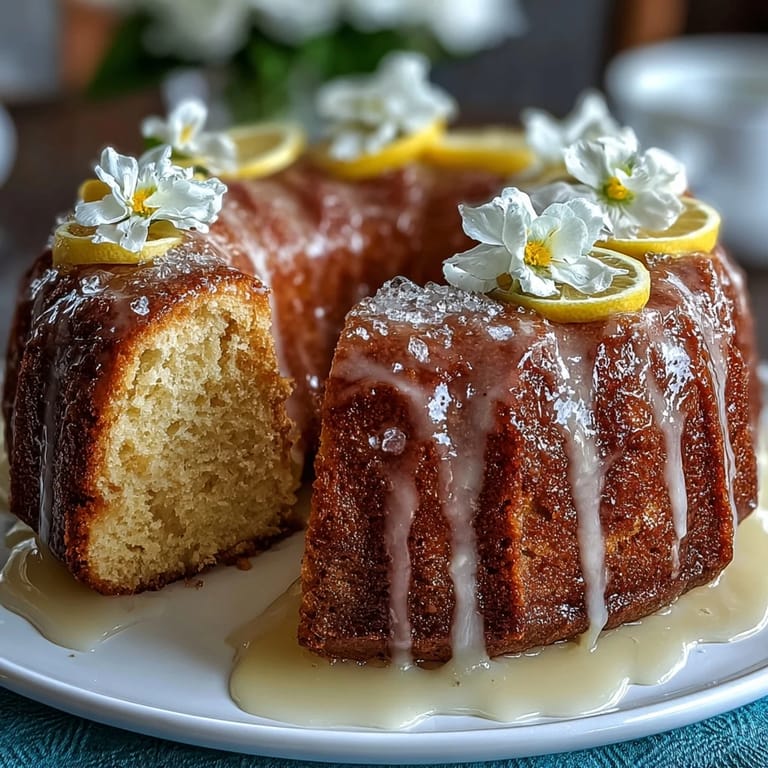
I'll never forget my neighbor's face when she tasted a slice and said it reminded her of her grandmother's kitchen. Watching someone's expression shift from polite to genuinely delighted over something you've made is a small magic. That's when I realized this cake wasn't really about technique or fancy decorations—it was about creating a moment. The edible flowers were just the ribbon on something that already felt special.
Ingredients
- 225 g unsalted butter, softened: Room temperature is everything here—cold butter won't cream properly and you'll end up with a dense cake instead of that lovely fluffy crumb.
- 225 g caster sugar: Its fine texture dissolves beautifully into the butter, creating that pale, mousse-like mixture that signals you're on the right track.
- 4 large eggs: Bring them to room temperature too, or they'll shock the batter and split instead of incorporating smoothly.
- 225 g self-raising flour: This is your lift, your structure—don't sift it obsessively, just fold it in gently until the flour disappears.
- Zest of 2 unwaxed lemons: Use a microplane if you have one; those little flakes are flavor bombs that get distributed throughout the cake in the best way.
- 2 tbsp whole milk: This loosens the batter just enough to help everything combine without overdoing it, keeping the crumb tender.
- Pinch of salt: A tiny thing, but it sharpens the lemon flavor and stops the cake from tasting one-dimensional.
- Juice of 2 lemons: Fresh juice only—bottled will taste tinny and defeat the whole purpose of celebrating lemon.
- 125 g icing sugar: This sweetens the drizzle and helps it set in those little pockets you'll poke into the warm cake.
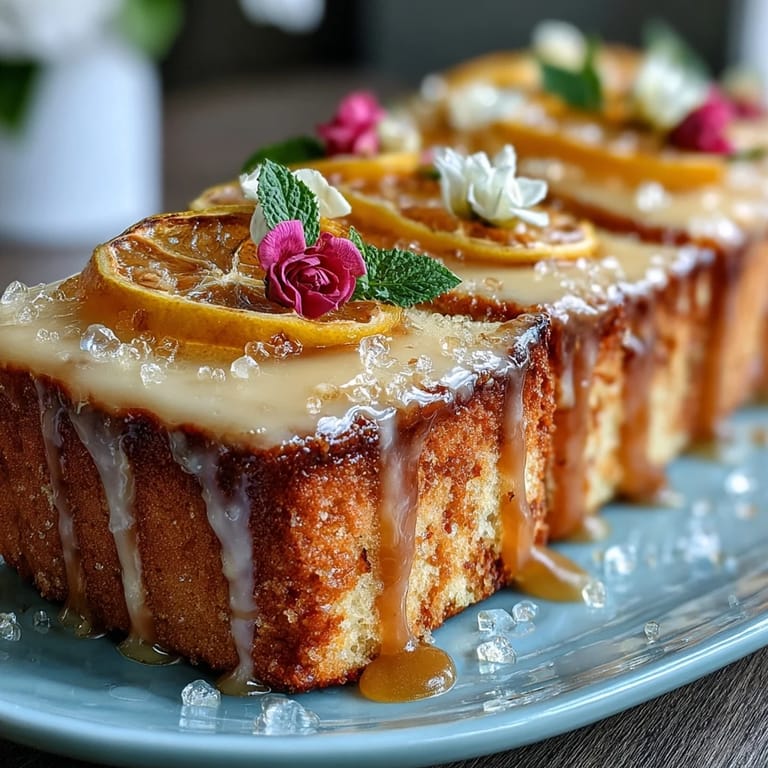
- Assorted edible flowers: Pansies, violas, nasturtiums, or rose petals all work beautifully—just triple-check they're grown without pesticides.
Tired of Takeout? 🥡
Get 10 meals you can make faster than delivery arrives. Seriously.
One email. No spam. Unsubscribe anytime.
Instructions
- Prepare your tin and oven:
- Heat the oven to 180°C (160°C fan) and line your loaf tin with parchment—this matters more than you'd think, especially for easy removal.
- Cream the butter and sugar:
- Beat them together for a good 3-4 minutes until the mixture is genuinely pale and fluffy, almost like soft mousse. You'll know it's ready when it leaves a trail on the beaters.
- Add eggs one at a time:
- After each egg, beat well until it's fully incorporated and the mixture looks smooth again. This prevents that curdled, scrambled-looking batter that makes bakers anxious.
- Fold in the dry ingredients:
- Add the flour, lemon zest, milk, and salt all together, then fold gently with a spatula until you just can't see any white flour streaks. Overmixing here is the enemy—it toughens the crumb.
- Transfer and bake:
- Pour the batter into your tin, smooth the top, and slide it into the oven for 40-45 minutes until a skewer inserted in the center comes out clean. The top will be golden and the kitchen will smell incredible.
- Make the drizzle:
- While the cake bakes, whisk the lemon juice and icing sugar together until smooth—it should be thick enough to coat the back of a spoon but still pourable.
- The crucial soaking step:
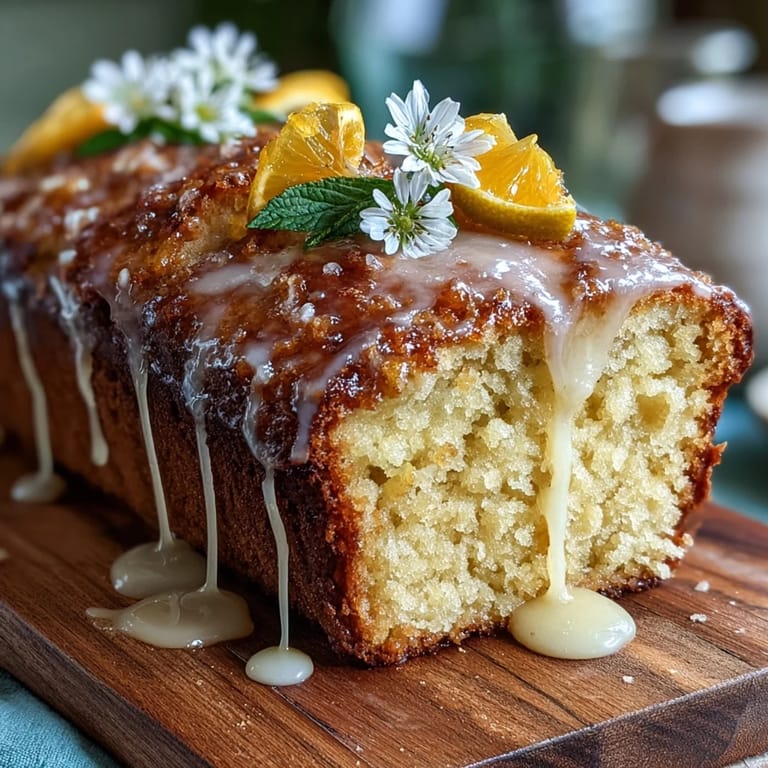
- While the cake is still warm in the tin, use a skewer to poke holes all over the top, then slowly pour the drizzle over, letting it sink in. This is where the magic happens—the warm cake drinks in that tangy sweetness.
- Cool completely:
- Leave it in the tin until it's completely cool, which gives the structure time to set properly and the flavors to meld.
- Final decoration:
- Turn it out onto a serving platter, dust lightly with icing sugar if you like, and press those edible flowers onto the top just before serving so they stay fresh and vibrant.
 Save
Save There's a quiet moment that happens when you decorate this cake with flowers, when you step back and realize you've made something that looks like you put real thought into it. That's the gift, isn't it—not perfection, but the evidence of intention.
Why Lemon Always Works
Lemon has this personality that bright, cheerful desserts somehow lack—it's not cloying, it doesn't make your teeth ache with sweetness. There's a sharpness to it that keeps everything feeling fresh and honest. I've learned that lemon is the friend who shows up with good intentions and somehow makes everyone around it better, which is exactly what you want in a cake meant to celebrate someone you care about.
The Power of Edible Flowers
The first time I used edible flowers on a cake, I was worried they'd look precious or overdone, but instead they just felt right—like I'd found the finishing touch that had been missing the whole time. They don't change the flavor, but they change the feeling of eating the cake, making it feel like an occasion. The subtle visual element transforms something homey into something that feels like a real celebration.
Serving and Storing This Cake
This cake actually improves over a day or two as the glaze fully infuses and the flavors deepen—it's one of those rare bakes that doesn't peak the moment it comes out of the oven. Store it in an airtight container away from direct sunlight, and it'll stay fresh and moist for up to four days. Serve it slightly warmed with whipped cream or crème fraîche if you want to turn an already lovely thing into something truly indulgent.
- Add an extra tablespoon of lemon zest to the drizzle if you love intense citrus flavor and want it to really sing.
- Make sure your edible flowers go on just before serving so they stay crisp and colorful rather than wilting into the cake.
- If you're baking this the night before, apply the flowers only on the morning of serving for maximum visual impact.
 Save
Save Making this cake is a small act of love that tastes like it took far more effort than it actually did. That's the real secret.
Recipe FAQs
- → What type of flour is best for this cake?
Self-raising flour is ideal as it provides the right rise and light texture for this lemon drizzle cake.
- → How can I ensure the drizzle soaks properly?
Pricking the warm cake with a skewer allows the lemon drizzle to penetrate deeply, enhancing moistness and flavor.
- → Are edible flowers safe to eat?
Only use pesticide-free edible flowers marked safe for consumption, like violas and pansies, to ensure safety and taste.
- → Can I make a gluten-free version?
Yes, substitute the self-raising flour with a gluten-free alternative and add 1 tsp of baking powder to maintain texture.
- → What is the best way to serve this cake?
Serve chilled or at room temperature, optionally with whipped cream or crème fraîche for a creamy contrast.
- → How should the cake be stored?
Store in an airtight container at room temperature for up to 2 days or refrigerate to keep it fresh longer.