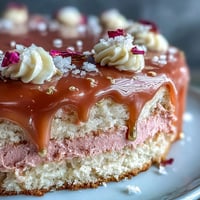
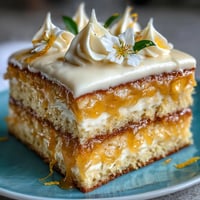
 Save
Save The scent of warm spices and tangy citrus always brings a bit of anticipation to my kitchen, especially when I'm prepping a spread for a holiday like Easter. The first time I decided to make this trio—carrot cake, pavlova, and lemon tart—it was less about tradition and more about wanting to capture everything fresh and cheerful about spring in dessert form. I remember the bustle of measuring, grating carrots, and clouds of whisked egg whites swirling around the room, and how each dessert took on its own personality. It felt like a playful challenge, piecing together flavors and textures for the perfect celebratory table. There's something delightful about seeing each cake, tart, and cloud-like pavlova lined up on their own plates, waiting for the first slice.
One Easter afternoon, several friends gathered around our kitchen island, jostling for their favorite slice. Pavlova was being portioned amidst laughter, someone was licking lemon curd from a spoon, and little hands helped decorate the carrot cake with marzipan carrots. I accidentally over-whipped the cream for the pavlova but softened it back with a drop of milk, and learned that imperfection can be sweet. Everyone ended up sampling all three desserts, debating which should get center stage next year.
Ingredients
- All-purpose flour: This forms the backbone for both the carrot cake and lemon tart crust; sift it to keep the texture light and even.
- Spices (cinnamon, nutmeg, ginger): Layers deep, fragrant warmth into the carrot cake—don't skimp here, and try grating your own nutmeg for extra punch.
- Vegetable oil: It keeps the carrot cake moist without weighing it down; I use a neutral oil so the spices don't get masked.
- Eggs: Essential for carrot cake structure, lemon tart filling, and the pavlova's magical meringue; fresh eggs make the meringue fluffier and sturdier.
- Granulated sugar & brown sugar: The tandem creates a comforting sweetness and caramel undertone in carrot cake; superfine sugar is needed for pavlova's smooth finish.
- Carrots: Grate them fine for a tender bite—they bring both color and subtle sweetness.
- Nuts & raisins (optional): These give carrot cake crunch and chewy texture, but can be left out for allergies; toast the nuts for extra richness.
- Cream cheese, butter, and powdered sugar: The trio forms a luscious frosting; let them sit out so they're soft and blend seamlessly.
- Egg whites & vinegar: Vinegar helps stabilize the pavlova meringue, making it less likely to collapse.
- Cornstarch & vanilla: Cornstarch makes pavlova tender, vanilla is your secret for aroma.
- Heavy cream & fresh fruit: These are the finishing touches on pavlova—whipped cream adds silkiness, and berries/kiwi give pop and tart balance.
- Powdered sugar (for crust & whipped cream): Adds subtle sweetness without graininess.
- Lemon juice & zest: Use fresh lemons—zest gives extra brightness, juice is key for tang in the tart.
- Unsalted butter (for crust, frosting, tart): Cold butter makes crust flaky, room temperature butter blends for creamy frosting.
- Egg yolks: Used for tart crust and filling, bringing richness and golden color.
- Ice water: Chills the tart dough for easier handling.
Tired of Takeout? 🥡
Get 10 meals you can make faster than delivery arrives. Seriously.
One email. No spam. Unsubscribe anytime.
Instructions
- Spice up the carrot cake batter:
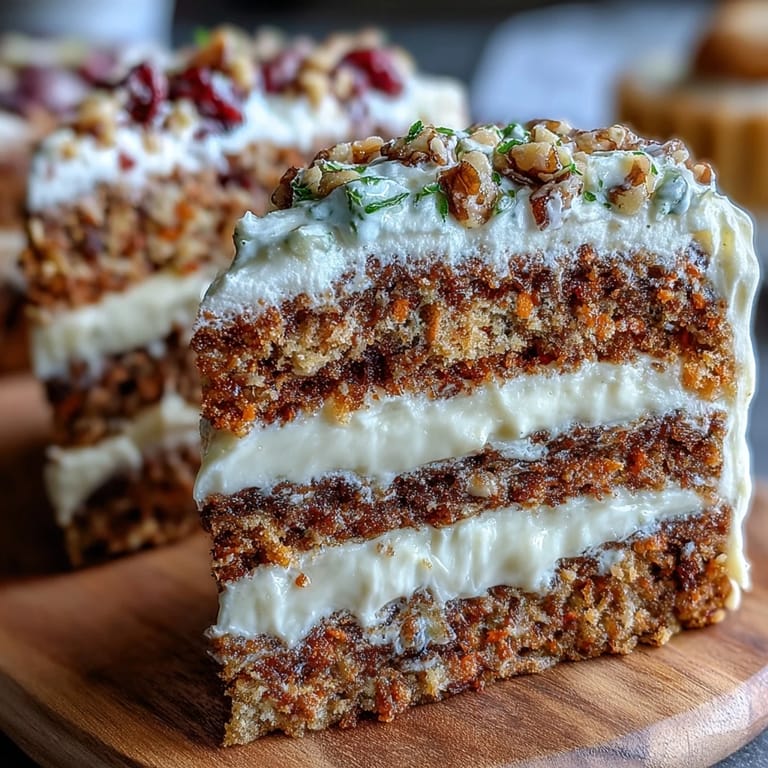
- Start by mixing your flour, baking powder, soda, salt, and spices—let the cinnamon's aroma fill the kitchen. Whisk sugars, oil, eggs, and vanilla in another bowl; when they're glossy, gently bring the dry and wet together, then fold in carrots, nuts, and raisins if using.
- Bake and cool the cake:
- Divide the batter between prepared pans, smoothing the tops so they're even. Watch for golden edges and check doneness with a toothpick—let the layers cool just a bit before turning out to prevent sticking.
- Whip up cream cheese frosting:
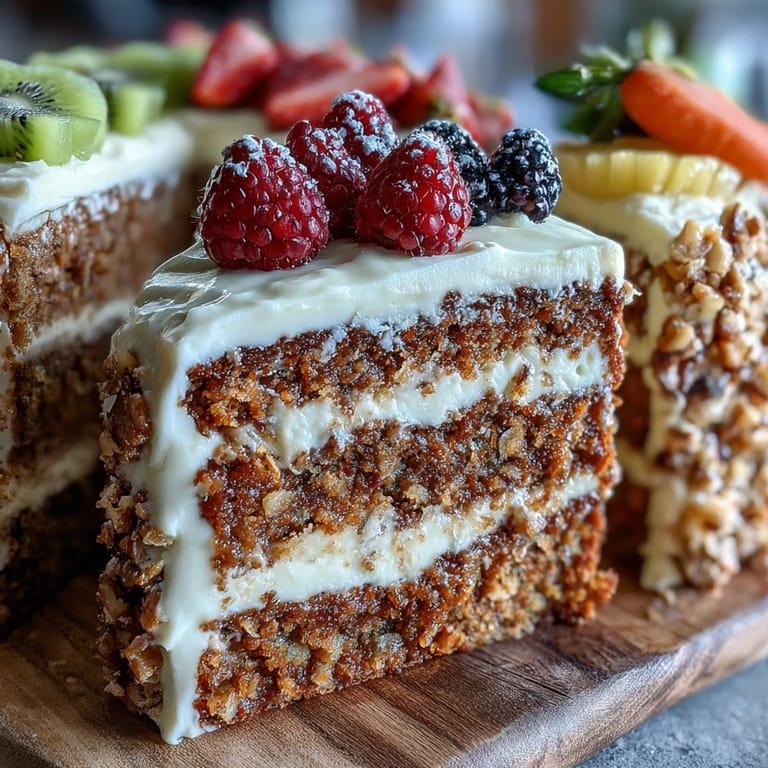
- Beat cream cheese and butter until fluffy, then add powdered sugar slowly—don't rush, and scrape the bowl as you go. Blend in vanilla, then slather frosting between layers and over the cake, letting some drip over the sides for rustic charm.
- Pavlova magic:
- Beat egg whites in an impeccably clean bowl until soft peaks form, then gradually add superfine sugar while watching for glossy stiffness. Mix in vinegar, cornstarch, and vanilla—then gently mound onto your parchment, shaping a nest with raised edges.
- Bake and cool the pavlova:
- Bake gently, then let it cool slowly in the oven (door ajar), so the shell stays crisp yet soft inside. Whip cream till soft peaks, add a bit of powdered sugar and vanilla; spread over cooled pavlova and top with berries and kiwi, letting juice drip for a festive look.
- Prepare lemon tart crust:
- Cut chilled butter into the flour, powdered sugar, and salt until coarse crumbs form, then add yolk and ice water; press dough into tart pan and chill. Bake blind, then remove weights for a golden finish—as it cools, ready your filling.
- Cook lemon filling and assemble tart:
- Whisk sugar, eggs, and yolks in a pan, add lemon juice and zest, and cook over medium heat, stirring, until thick enough to coat a spoon. Off heat, whisk in butter until silky, pour into crust, and chill at least 2 hours before serving.
 Save
Save When I finally placed the finished desserts on the table, sunlight bounced off the glossy pavlova and the tart's buttery crust. Someone snapped a photo, and a friend remarked that the lemon tart tasted like early spring sunshine—suddenly, this trio wasn't just dessert, it became a tiny celebration of the season for everyone around the table.
Serving Up The Festive Trio
Layering the three desserts lets guests sample and compare—sometimes people were surprised by which they liked best. For special occasions, I set a small bowl of extra berries and a pot of Earl Grey tea nearby, which made the desserts feel even more joyful. I learned guests loved the chance to circle back for second helpings, making these sweets a conversation starter.
Make-Ahead Strategies For Holiday Ease
The lemon tart can be prepared a day ahead, letting its flavor deepen overnight—an absolute stress-saver. Pavlova's meringue holds well overnight if kept in a dry spot, and cream cheese frosting can be whipped up the morning of so it's fresh. On busy holiday mornings, assembling these desserts in advance felt like the smoothest Easter hack.
Decorating And Finishing Touches
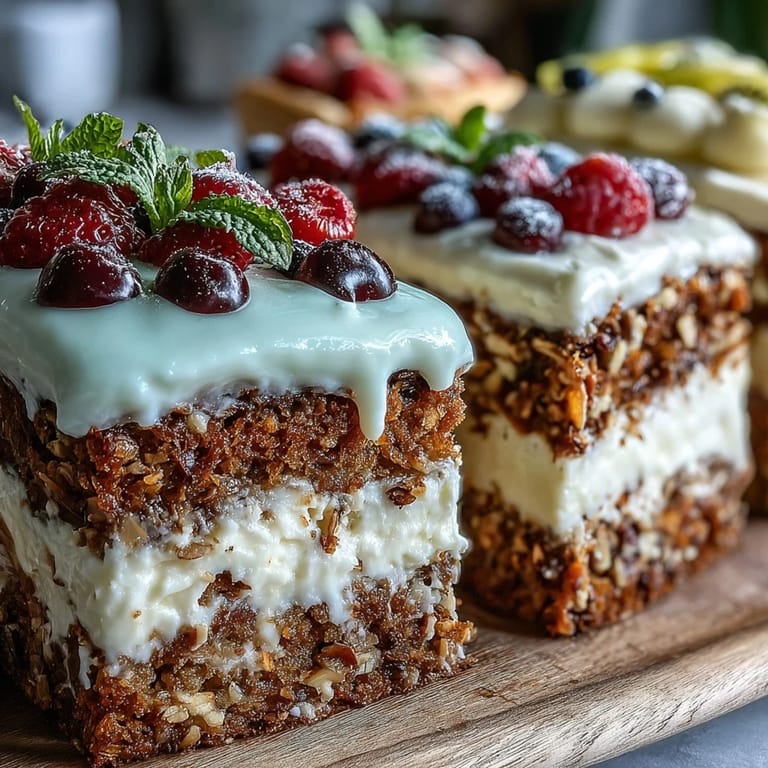
Making marzipan carrots for the carrot cake was a small group effort, while arranging fruit on pavlova felt like painting a canvas. Some years, I added edible flowers to the lemon tart and watched guests marvel at the colors. The final steps are where personality shines—don't be afraid to improvise.
- If you’re worried about allergies, omit nuts and offer fruit only toppings.
- Serve pavlova immediately after adding cream and fruit so it stays crisp.
- Give your tart a final dusting of powdered sugar just before serving; it feels like a spring snowfall.
 Save
Save This festive dessert trio has never failed to make Easter feel special and shared, even when the table is crowded. Try it once, and you'll see these treats become a reason for guests to linger a bit longer.
Recipe FAQs
- → How can I decorate the carrot cake?
Top with marzipan carrots, chopped nuts, or a sprinkle of cinnamon for a festive touch. Use cream cheese frosting for extra flavor.
- → What fruit pairs well with pavlova?
Berries like strawberries, raspberries, and blueberries, along with kiwi or passion fruit, provide vibrant color and tartness.
- → Can the lemon tart be made ahead?
Yes, prepare the tart a day before. Chill fully to set the filling; garnish just before serving.
- → Is there a nut-free option for carrot cake?
Simply omit walnuts or pecans from the carrot cake. The cake remains moist and flavorful without nuts.
- → How do I keep pavlova crisp?
Store the meringue shell separately from whipped cream and fruit; assemble just before serving for best texture.
- → What beverages pair with these desserts?
Serve with light sparkling wine or fragrant Earl Grey tea to complement the citrus and spice notes.