 Save
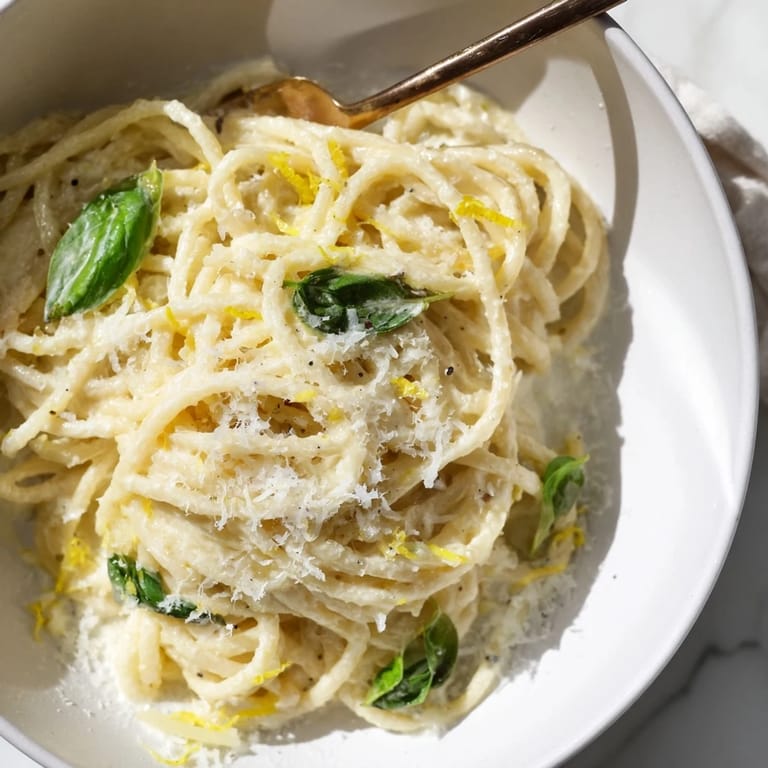
Save My sister called me on a Tuesday night, frantic because she had dinner guests arriving in thirty minutes and nothing planned. I walked her through this recipe over the phone while she boiled water, and by the time her friends arrived, she was plating something that looked like it came from a trattoria. The secret was already in her fridge: good ricotta, a lemon, and some Parmesan. Sometimes the most impressive dishes are the ones that don't ask much of you at all.
I made this for my neighbor after she had surgery, and she told me later it was the first thing that tasted like food again, not obligation. The brightness of the lemon woke up her appetite, and the creaminess felt gentle. Ever since, I think of this as comfort food that doesn't weigh you down. It's what I make when someone needs care but not heaviness.
Ingredients
- Spaghetti: The long strands hold onto the creamy sauce better than short shapes, and cooking it just until al dente keeps the texture alive.
- Kosher salt: Salting the pasta water generously is the only chance to season the noodles from within, so don't be shy here.
- Ricotta cheese: Whole-milk ricotta makes all the difference; the richness is what turns this into a sauce rather than a topping.
- Lemon: Both the zest and juice are essential, the zest gives perfume and the juice gives brightness that balances the dairy.
- Parmesan cheese: Freshly grated melts into the sauce and adds a salty, nutty backbone that pre-grated versions can't match.
- Extra-virgin olive oil: A fruity olive oil adds body and helps the ricotta cling to every strand of pasta.
- Garlic clove: One small clove, finely grated, gives a whisper of sharpness without overpowering the delicate lemon.
- Black pepper and sea salt: Freshly ground pepper adds a gentle heat, and sea salt sharpens the flavors without making it salty.
- Fresh basil or parsley: The herbs add a pop of color and a grassy freshness that makes each bite feel complete.
Tired of Takeout? 🥡
Get 10 meals you can make faster than delivery arrives. Seriously.
One email. No spam. Unsubscribe anytime.
Instructions
- Boil the pasta:
- Bring a large pot of water to a rolling boil, add the kosher salt until it tastes like the sea, then cook the spaghetti until it still has a little bite. Before draining, scoop out half a cup of that starchy water, it's the magic that brings the sauce together.
- Make the ricotta-lemon sauce:
- In a large bowl, whisk the ricotta with lemon zest, lemon juice, Parmesan, olive oil, grated garlic, pepper, and salt until it's smooth and looks almost like frosting. This is your base, and it should taste bright and rich at the same time.
- Toss the pasta:
- Add the hot drained spaghetti directly into the ricotta mixture and toss with tongs, adding the reserved pasta water a few tablespoons at a time. The heat from the pasta warms the sauce, and the starchy water turns it silky and glossy.
- Garnish and serve:
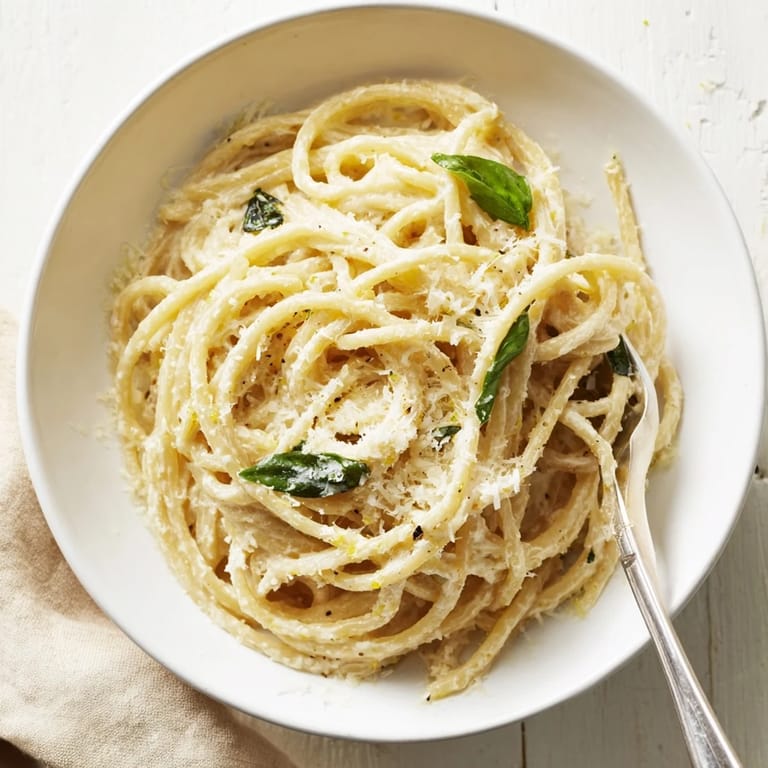
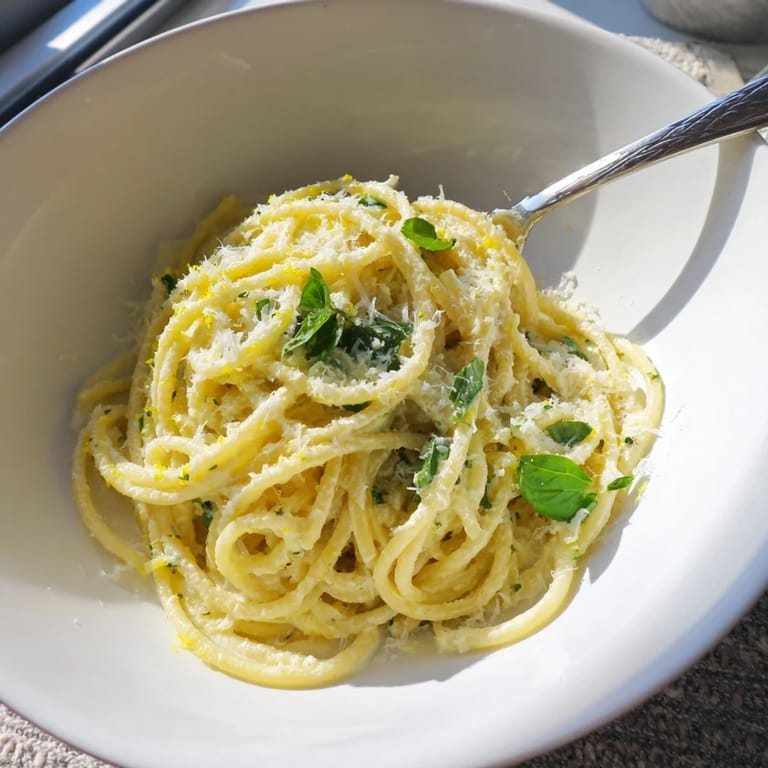
- Divide the pasta among bowls and top with extra Parmesan, fresh herbs, more lemon zest, and a few grinds of black pepper. Serve it immediately while the sauce is still creamy and the pasta is warm.
 Save
Save One spring evening, I served this on the porch with a bottle of cold white wine and a bowl of cherry tomatoes on the side. My friend looked up after the first bite and said it tasted like something you'd eat on a terrace in Rome, and I realized that's exactly what simple Italian cooking is supposed to do. It transports you without trying too hard.
How to Store and Reheat
Leftovers can be stored in an airtight container in the fridge for up to two days. The sauce will thicken as it cools, so when you reheat it, add a splash of milk, cream, or pasta water and warm it gently in a skillet over low heat. I've also eaten it cold straight from the fridge as a pasta salad, and it's surprisingly good that way too.
Ways to Make It Your Own
I've stirred in sautéed spinach, blanched asparagus, and frozen peas depending on what's in the fridge, and each version feels like a different meal. A handful of toasted pine nuts or crushed red pepper flakes can add texture or heat. Once, I folded in some shredded rotisserie chicken for my husband, and it became a full dinner without losing the lightness.
Pairing Suggestions
This pasta shines alongside a simple arugula salad dressed with lemon and olive oil, or a slice of crusty bread to soak up any sauce left in the bowl. I like to serve it with something crunchy and bitter to contrast the creaminess. A chilled Sauvignon Blanc or Pinot Grigio mirrors the citrus notes beautifully.
- Serve with garlic bread or focaccia for a more filling meal.
- Add a side of roasted vegetables like zucchini or cherry tomatoes.
- Finish with fresh berries or lemon sorbet to keep the brightness going.
 Save
Save This is the kind of recipe you'll make on repeat once you realize how little effort it asks and how much it gives back. Keep a lemon and good ricotta on hand, and you'll never be more than twenty minutes away from something that feels special.
Recipe FAQs
- → Can I make this without fresh lemon juice?
Fresh lemon juice is essential for the signature brightness of this dish. However, if unavailable, substitute with bottled lemon juice, though fresh will deliver superior flavor. The acidity balances the richness of the ricotta beautifully.
- → Why is reserving pasta water important?
Pasta water contains starch that emulsifies the sauce, creating a silky coating that clings to the noodles. This transforms the ricotta mixture from thick to luxuriously creamy without adding cream.
- → What type of ricotta works best?
Whole-milk ricotta is preferred for its creaminess and richness. It creates a smoother, more elegant sauce than part-skim varieties. Look for fresh ricotta at Italian markets or quality grocery stores.
- → Can I add vegetables to this dish?
Absolutely. Sautéed spinach, fresh peas, or roasted asparagus complement the lemon-ricotta sauce beautifully. Add them directly to the pasta or serve on the side for extra nutrition and color.
- → Is this suitable for dietary restrictions?
This dish is vegetarian. For vegan options, substitute ricotta with silken tofu or cashew cream, and use nutritional yeast instead of Parmesan. Gluten-free pasta works perfectly if using quality brands that hold their texture.
- → What wine pairs with this pasta?
The bright acidity and delicate flavors pair beautifully with crisp white wines like Sauvignon Blanc or Pinot Grigio. The wine's zestiness echoes the lemon in the sauce.