 Save
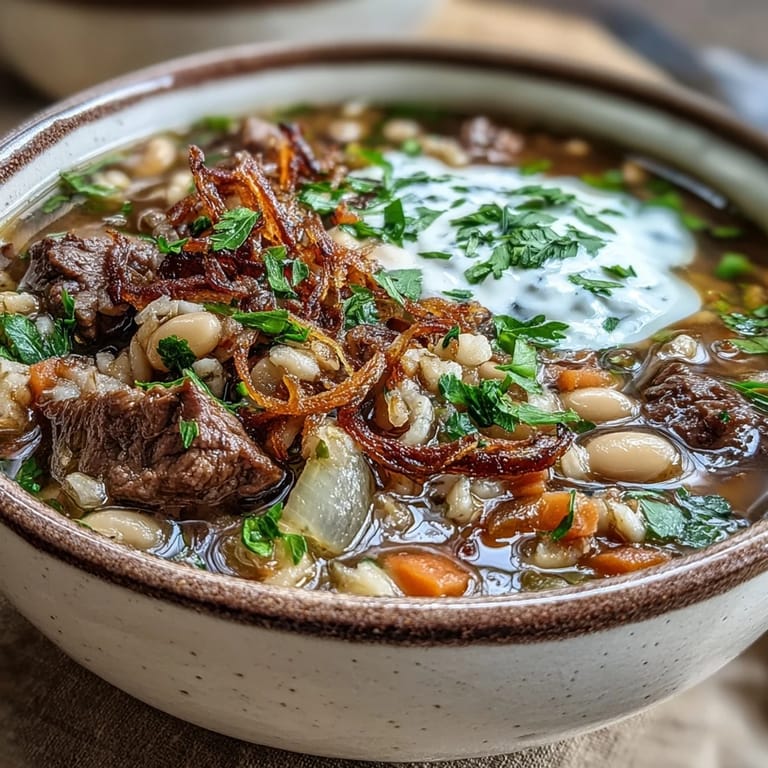
Save The scent of dried mint hitting hot butter was the first thing that transported me to my grandmother's kitchen in Tehran. I stumbled upon this beef barley soup recipe during a particularly cold winter in Chicago, when comfort food was all I craved. Standing at the stove watching the deep amber broth bubble and thicken, I remember feeling a profound connection to a culinary heritage I had barely explored. Something magical happens when fresh herbs meet slow-cooked beef and hearty grains.
Last winter, I served this to my in-laws during their first visit to our new home. My father-in-law, who typically picks at his food with skepticism, went for seconds and then thirds. The kitchen windows had fogged up from the steam, and everyone fell into a comfortable silence broken only by the clink of spoons against bowls. That evening, the recipe became more than just instructions on a page it became a bridge between families.
Ingredients
- Beef stew meat: Look for meat with good marbling as the slow cooking process will transform those fat ribbons into pools of flavor, and I learned the hard way that pre-cut stew meat from a trusted butcher saves precious prep time.
- Pearl barley: The subtle nutty flavor provides the backbone of this soup, and I discovered rinsing it thoroughly removes excess starch for a cleaner taste.
- Dried lentils and white beans: These humble ingredients create an incredible textural playground in every spoonful, and their ability to absorb the surrounding flavors makes them worth the minimal effort of overnight soaking.
- Fresh herbs: The combination of parsley, cilantro, dill, and chives adds bright notes that cut through the richness, and I find that adding them toward the end preserves their vibrant color and flavor.
- Dried mint: When fried with onions in butter, this transforms into an aromatic garnish that elevates the entire dish from good to unforgettable.
Tired of Takeout? 🥡
Get 10 meals you can make faster than delivery arrives. Seriously.
One email. No spam. Unsubscribe anytime.
Instructions
- Brown the beef:
- Heat olive oil in a large pot until it shimmers like morning sun on water, then add the beef cubes with enough space between them to brown properly. Listen for that satisfying sizzle as each piece hits the hot surface, turning occasionally until all sides develop a deep caramelized crust.
- Create the aromatic base:
- Sauté the onions until they become translucent and start to turn golden, releasing their sweet aroma. When you add the garlic, turmeric, pepper, and salt, take a moment to appreciate how the spices bloom in the oil, filling your kitchen with warmth.
- Build the soup:
- Return the browned beef to join the vegetables, then add the barley, lentils, soaked beans, and stock. As the liquid comes to a gentle boil, resist the urge to rush this stage the slow simmer is where the magic happens.
- Incorporate fresh herbs:
- When the meat is tender and the grains have plumped up, stir in the chopped herbs to bring brightness to the rich base. Watch as their vibrant green colors swirl through the golden broth, releasing their essential oils.
- Prepare the crowning glory:
- The mint-fried onions might seem like a small finishing touch, but they create an addictive topping that will have everyone asking for your secret. The butter should foam slightly as the onion slices turn deeply golden and crisp, creating the perfect vessel for the aromatic dried mint.
- Serve with flair:
- Ladle the steaming soup into wide bowls, then create artistic swirls of sour cream that slowly melt into the broth. Sprinkle the mint-fried onions on top like confetti, adding both texture and a final layer of flavor.
 Save
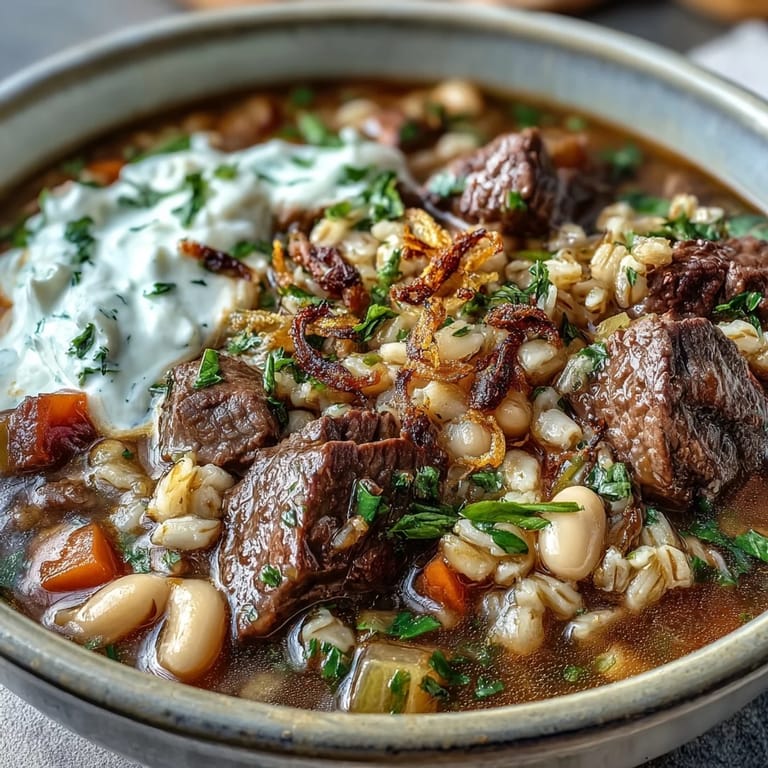
Save The first time I brought this soup to a potluck at work, I watched with quiet pride as colleagues from different departments lingered around the slow cooker, asking for the recipe between appreciative spoonfuls. A colleague from Iran approached with tears in her eyes, saying the aroma had instantly reminded her of home. We exchanged stories about our grandmothers cooking techniques, and suddenly the break room felt like a place where cultures could truly meld.
Balancing Flavors and Textures
Over the years of making this soup, Ive learned that the sour cream (or kashk) isnt just a garnish its an essential counterpoint to the earthiness of the beans and barley. The tanginess cuts through the richness of the broth, creating a perfectly balanced bite. When guests ask how the soup can be simultaneously hearty and refreshing, I just smile and credit this simple dairy addition that transforms everything it touches.
Making It Ahead
This soup actually improves with time, as the flavors meld and deepen overnight. Whenever I make it, I deliberately cook it a day before I plan to serve it, storing it in the refrigerator where the magic happens. The only components I keep separate are the sour cream and mint-fried onions, which I prepare fresh just before serving. The anticipation of that final assembly makes the waiting worthwhile.
Adapting to Dietary Needs
When my cousin announced she was going vegetarian, I was determined to create a version she could enjoy without feeling like she was missing out. By replacing the beef with extra mushrooms sautéed until deeply browned and using vegetable stock infused with dried porcini, I discovered a variation that some guests actually preferred to the original. The key was taking the time to develop those complex umami notes that meat typically provides.
- For gluten sensitivities, substitute the barley with short-grain brown rice, which provides a similar chewy texture without the gluten concerns.
- If preparing for dairy-free guests, coconut cream offers a surprisingly compatible alternative to sour cream, especially when brightened with a squeeze of lemon.
- When serving to spice-lovers, consider adding a pinch of Aleppo pepper flakes to the mint-fried onions for a subtle heat that blooms gradually.
 Save
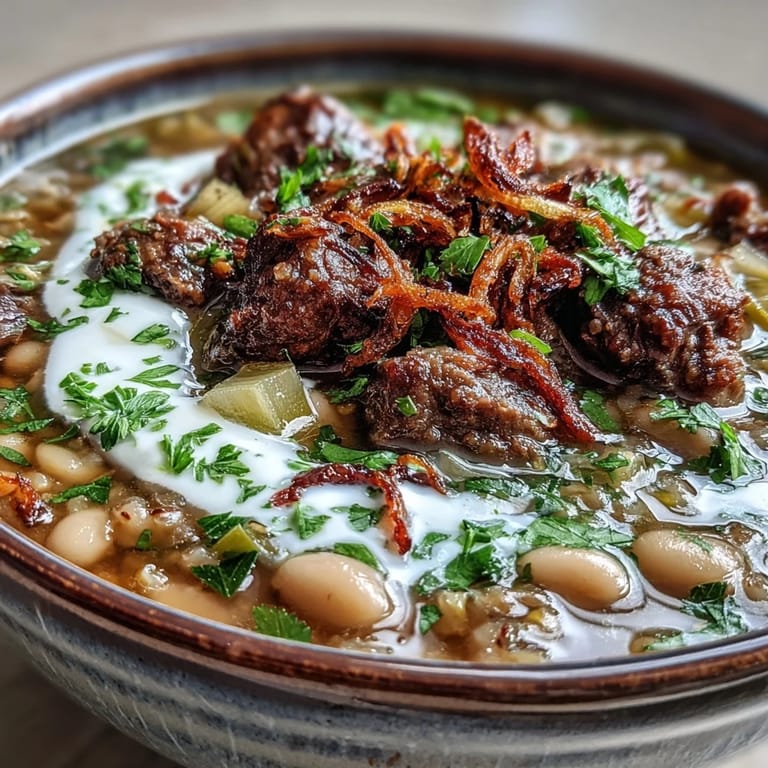
Save This Persian-inspired beef barley soup has become more than just a recipe in my collection its a testament to how food can transport us across continents and generations. I hope it brings as much warmth to your table as it has to mine.
Recipe FAQs
- → Can I make this soup in advance?
Absolutely. This soup actually tastes better the next day as flavors have time to meld. Store in the refrigerator for up to 3 days and reheat gently, adding a splash of water or stock if needed.
- → What can I substitute for kashk?
Sour cream works perfectly as a substitute. For a vegan option, use coconut cream or a dairy-free yogurt alternative. Lemon juice can add a similar tangy element.
- → Do I need to soak the beans overnight?
Yes, soaking dried white beans overnight ensures even cooking and tender texture. If using canned beans, add them during the last 30 minutes of simmering to avoid mushiness.
- → Can I freeze this soup?
This soup freezes well for up to 3 months. Cool completely before transferring to freezer-safe containers. Thaw overnight in the refrigerator and reheat on the stovetop. Add fresh herbs and garnishes after reheating.
- → What type of beef works best?
Chuck beef or stewing beef with some marbling is ideal as it becomes tender during long simmering. Cut into 2cm cubes for even cooking. Lean cuts may become tough, so avoid them.
- → Is pearl barley gluten-free?
No, pearl barley contains gluten. For a gluten-free version, substitute with buckwheat, rice, or quinoa, adjusting cooking time accordingly.