 Save
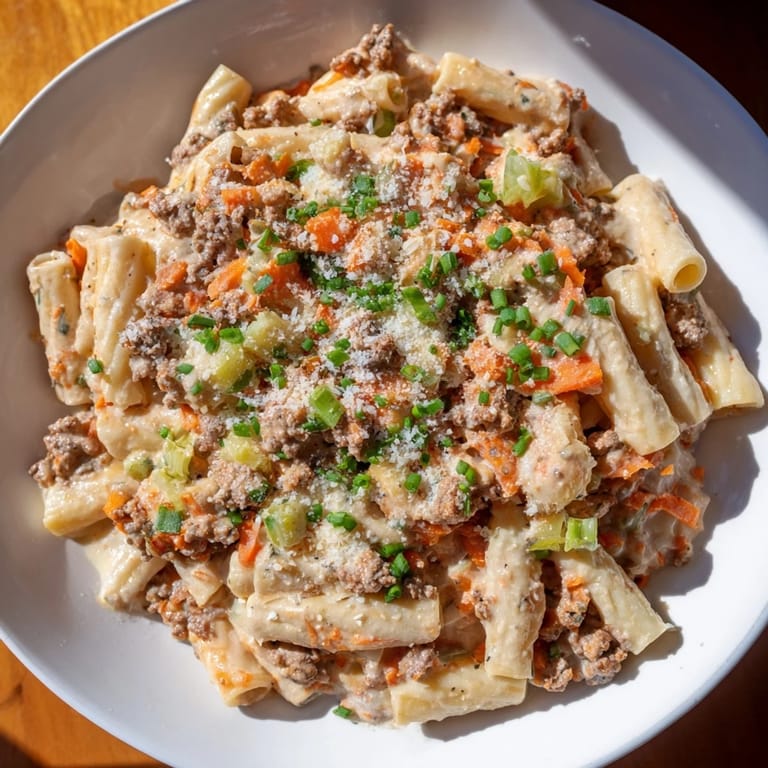
Save I discovered this dish on a rainy Tuesday when I had leftover kimchi taking up half my fridge and a sudden craving for something warm and comforting. Instead of making the same stir-fry I always do, I thought: what if I made it Italian? The first spoonful was a revelation—that tangy, spicy kimchi mixed with rich tomato sauce and cream felt like two cuisines meeting halfway and genuinely liking each other. Now it's become my go-to when I want to impress people without spending hours in the kitchen.
I made this for friends who were skeptical about mixing Korean and Italian flavors, and I watched their faces change with that first bite—doubt turning into genuine curiosity. My friend Sarah asked for the recipe three times before I finally wrote it down, and now she texts me pictures of her version with different types of kimchi she's trying. Those moments remind me that food is really just an excuse to connect with people.
Ingredients
- Ground pork (300 g): The backbone of the ragu; pork holds flavors beautifully and browns faster than beef, though a 50/50 blend gives you the best of both worlds if you're torn.
- Napa cabbage kimchi (200 g, plus 2 tbsp juice): Use the funky, fermented kind from the back of the store—that's where the magic lives, and don't skip the juice because it's liquid gold for building flavor.
- Crushed tomatoes (400 g can): San Marzano if your budget allows, but honestly, any quality crushed tomato works; what matters is that you're not using watery stuff.
- Heavy cream (120 ml): The final softener that rounds out all the sharp, spicy edges; plant-based cream works just fine if that's your preference.
- Onion, carrot, celery: The holy trinity that makes everything taste intentional; don't skip these because they're what builds the base flavor.
- Garlic (2 cloves, minced): Freshly minced tastes completely different from jarred, and at just two cloves you really notice the quality.
- Gochugaru (1 tsp, optional): Korean chili flakes that add color and a specific kind of heat; if you can't find them, a pinch of regular chili flakes won't ruin anything but it won't be quite the same.
- Soy sauce (1 tbsp): The salt that brings everything together; use the good stuff because the cheap versions taste thin and one-dimensional.
- Olive oil (2 tbsp): Just enough for browning without making everything slick.
- Sugar (1 tsp): A small kindness that balances the acid in the tomatoes and the funk in the kimchi.
- Rigatoni or penne (350 g): Shapes with grooves that actually catch sauce instead of letting it slide off.
- Scallions and Parmesan (for garnish): The scallions add a fresh brightness at the end; the Parmesan is optional but it's the kind of optional that really matters.
Tired of Takeout? 🥡
Get 10 meals you can make faster than delivery arrives. Seriously.
One email. No spam. Unsubscribe anytime.
Instructions
- Build your base:
- Heat the olive oil in your skillet over medium-high heat and add the onion, carrot, and celery. You want these to go soft and sweet over about five minutes—this is where patience pays off because rushing this step means missing that underlying sweetness that grounds the whole dish.
- Wake up the garlic:
- Add your minced garlic and let it toast for just a minute until your kitchen smells incredible; garlic burns fast so don't walk away.
- Brown the meat:
- Crumble your pork into the pan and cook it for six to seven minutes, breaking it apart as it browns. You're looking for no pink left and for the meat to have some color on it, which takes the flavor from blah to savory.
- Bring in the kimchi:
- Stir in your chopped kimchi and its juice, then let it soften in the heat for three to four minutes. This is when the kimchi starts to integrate with the meat instead of staying separate and weird.
- Build the sauce:
- Add the crushed tomatoes, soy sauce, gochugaru if you're using it, sugar, and salt and pepper. Simmer uncovered for fifteen to twenty minutes until the sauce thickens and darkens slightly, stirring every few minutes so nothing sticks to the bottom.
- Cook the pasta:
- While the sauce simmers, get your pasta water boiling and cook the pasta to al dente—that moment where it's tender but still has a tiny bit of resistance when you bite it. Reserve a hundred milliliters of that starchy water before draining because it's what makes everything creamy and silky.
- Cream it all together:
- Lower the heat under your ragu to low and stir in the heavy cream and half your pasta water. The sauce should go from looking rustic to looking luxurious, like it's been cooking for hours instead of minutes.
- Marry the pasta and sauce:
- Add the cooked pasta directly to the ragu and toss it all together, adding more pasta water as needed until you get a sauce that coats everything instead of pooling at the bottom. This is the moment where two things become one thing, and it's worth getting right.
- Finish and serve:
- Taste and adjust your seasoning—sometimes it needs a pinch more salt, sometimes it needs a crack of black pepper. Serve hot with scallions and Parmesan scattered on top, or leave it bare if that's your style.
 Save
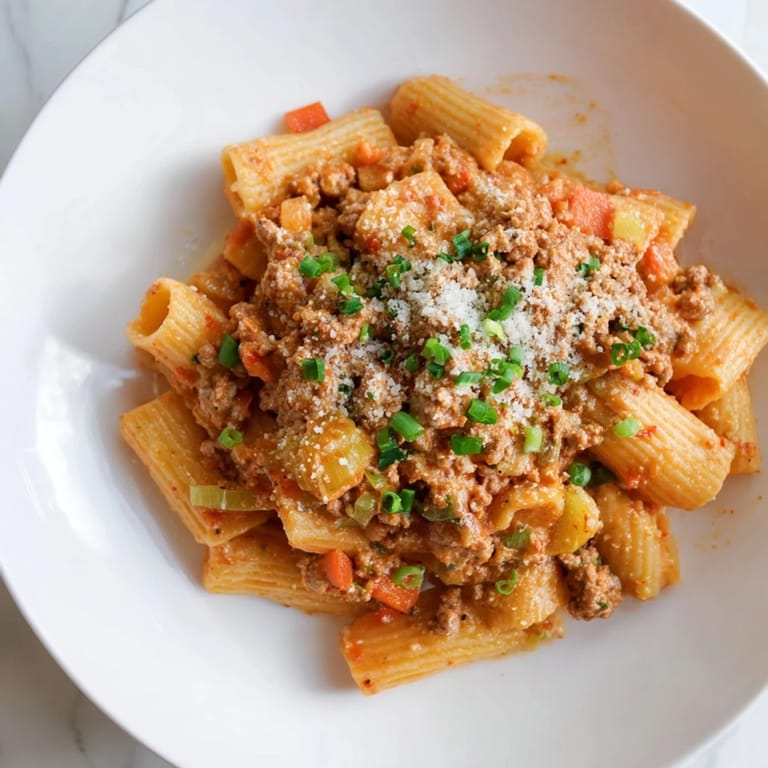
Save The first time someone told me this tasted like nothing they'd ever had before, that it felt somehow both familiar and totally unexpected, I realized that's exactly what fusion cooking is supposed to do. It's not about trying too hard to be clever; it's about respecting both traditions enough to let them work together instead of compete.
Balancing the Bold Flavors
The trickiest part of this recipe is keeping everything in harmony when you're juggling spice, tang, umami, and creaminess all at once. The sugar isn't there to make it sweet—it's there as a gentle hand that keeps the kimchi funk from overpowering the tomato base. Tasting as you go matters more with this dish than with most recipes because your palate is the real guide, and what feels balanced to you might be different than what feels balanced to me.
Making It Your Own
This recipe is honestly a starting point, not a rulebook. Some people swear by using beef instead of pork because it gets deeper flavor. Others use less cream and more pasta water because they like it brothier. I've made it with coconut cream for a dairy-free version that tastes surprisingly good, even though coconut and kimchi shouldn't work together on paper.
The Small Moments That Matter
There's something special about the moment when you stir the cream into the ragu and watch it transform from looking rough and rustic to looking glossy and inviting. It happens in seconds but it feels like magic, and that's when you know you're close to the finish line. The scallions on top aren't just decoration—they're freshness cutting through all that richness, and they matter more than you'd think.
- Keep your kimchi in the coldest part of your fridge because it ferments over time and stronger kimchi will make this dish bolder.
- If you're making this ahead, reheat it gently with a splash of water or cream because the sauce can tighten up in the fridge and need coaxing.
- Leftover ragu tastes even better the next day when all the flavors have had time to get to know each other.
 Save
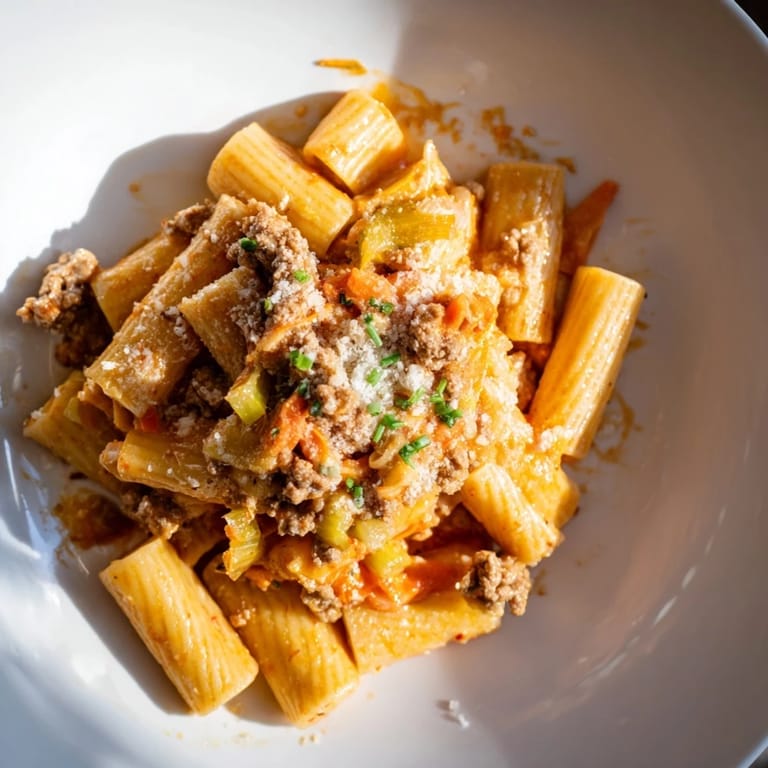
Save This dish taught me that the best meals come from not being afraid to break rules in the kitchen, and from trusting that flavors can be different and still belong together. Make it for people you want to feed well.
Recipe FAQs
- → What type of meat works best for this dish?
Ground pork is recommended for its rich flavor, but beef or a 50/50 pork-beef blend can be used as well.
- → Can the cream be substituted for a dairy-free alternative?
Yes, unsweetened plant-based cream or coconut cream can replace heavy cream for a dairy-free option.
- → How spicy is this dish and can it be adjusted?
The gochugaru chili flakes and kimchi provide moderate heat, which you can increase or decrease to suit your spice preference.
- → What pasta types are suitable for this sauce?
Rigatoni or penne are ideal as their shape holds the creamy sauce well, but other tubular pastas can also be used.
- → Is it possible to make a vegetarian version?
Use plant-based ground meat alternatives and omit Parmesan or use a vegan cheese substitute to keep it plant-friendly.
- → How should leftover sauce be stored?
Store in an airtight container in the refrigerator for up to three days. Reheat gently to preserve creaminess.