 Save
Save My youngest used to pick tomatoes out of everything, which drove me a little crazy until I borrowed a trick from a friend who worked in a daycare kitchen. She told me that kids eat what they can't see, and that smooth, silky sauces hide a world of nutrition without a single argument at the table. I started pureeing vegetables into my tomato sauce one Sunday afternoon, and it worked so well that now everyone asks for seconds without ever questioning what's inside.
I made this for a potluck once, and a neighbor who claimed she hated zucchini asked for the recipe after finishing two bowls. When I told her what was in it, she laughed and said she'd been tricked into health, which felt like the highest compliment I could get. That night I realized this sauce wasn't just about sneaking in vegetables, it was about making food that people actually wanted to eat.
Ingredients
- Carrots: They add natural sweetness and a vibrant color that balances the acidity of the tomatoes, plus they puree so smoothly you'd never know they were there.
- Zucchini: This vegetable practically disappears into the sauce, adding moisture and a subtle earthiness without any strong flavor.
- Spinach: It wilts down to almost nothing and contributes a boost of iron and vitamins while blending into the rich red color.
- Onion and garlic: These build the savory foundation that makes the sauce taste like it's been simmering all day, even though it only takes 45 minutes.
- Olive oil: A little fat helps the vegetables soften and brings out their flavors, plus it makes the sauce silky when blended.
- Crushed tomatoes: Use good quality canned tomatoes for the best texture and taste, they're the backbone of the whole sauce.
- Tomato paste: This concentrate deepens the tomato flavor and thickens the sauce just enough to cling to pasta perfectly.
- Oregano and basil: Dried herbs work beautifully here, releasing their flavors slowly as the sauce simmers.
- Salt, pepper, and sugar: A pinch of sugar cuts through any bitterness or acidity, making the sauce taste balanced and restaurant quality.
- Parmesan cheese: Stir it in at the end for a salty, umami richness that makes the sauce taste even more indulgent.
Tired of Takeout? 🥡
Get 10 meals you can make faster than delivery arrives. Seriously.
One email. No spam. Unsubscribe anytime.
Instructions
- Start with the aromatics:
- Heat the olive oil in a large saucepan over medium heat, then add the onion and garlic, stirring until they soften and smell sweet, about 3 minutes. This step builds the flavor base, so don't rush it.
- Cook the hidden vegetables:
- Toss in the carrots and zucchini, letting them cook for 5 to 7 minutes until they start to soften and release their moisture. Add the spinach and stir until it wilts completely, which only takes a couple of minutes.
- Build the sauce:
- Pour in the crushed tomatoes and tomato paste, stirring everything together until it's well combined. Season with oregano, basil, salt, pepper, and a pinch of sugar if your tomatoes taste sharp.
- Simmer until tender:
- Bring the sauce to a gentle simmer, then cover and let it cook on low heat for 20 minutes, stirring now and then. The vegetables should be completely soft and tender when you're done.
- Blend it smooth:
- Remove the pan from the heat and let it cool for a few minutes, then use an immersion blender to puree the sauce until it's silky and smooth. If you're using a countertop blender, work in batches and be careful with the hot liquid.
- Finish and serve:
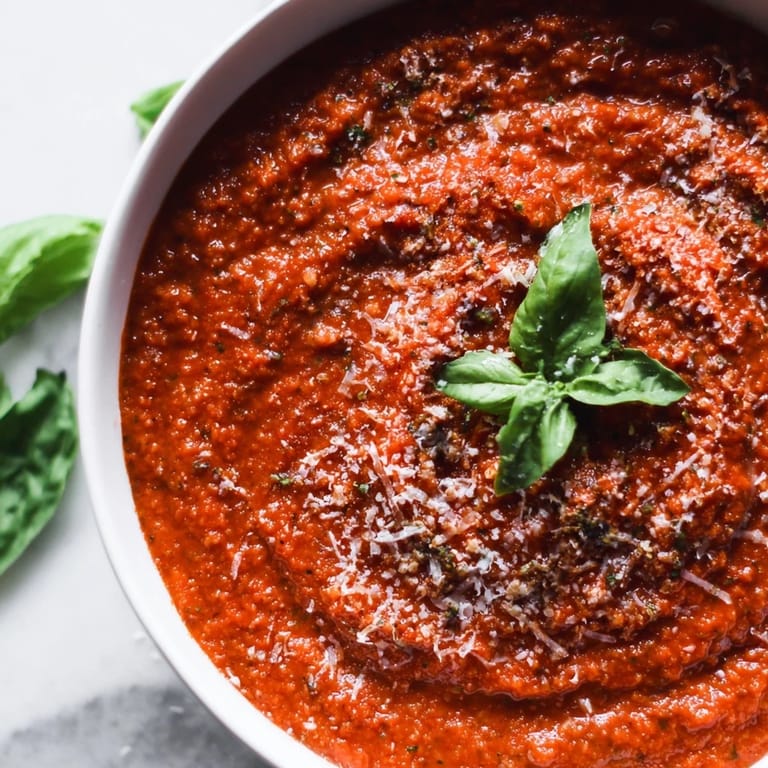
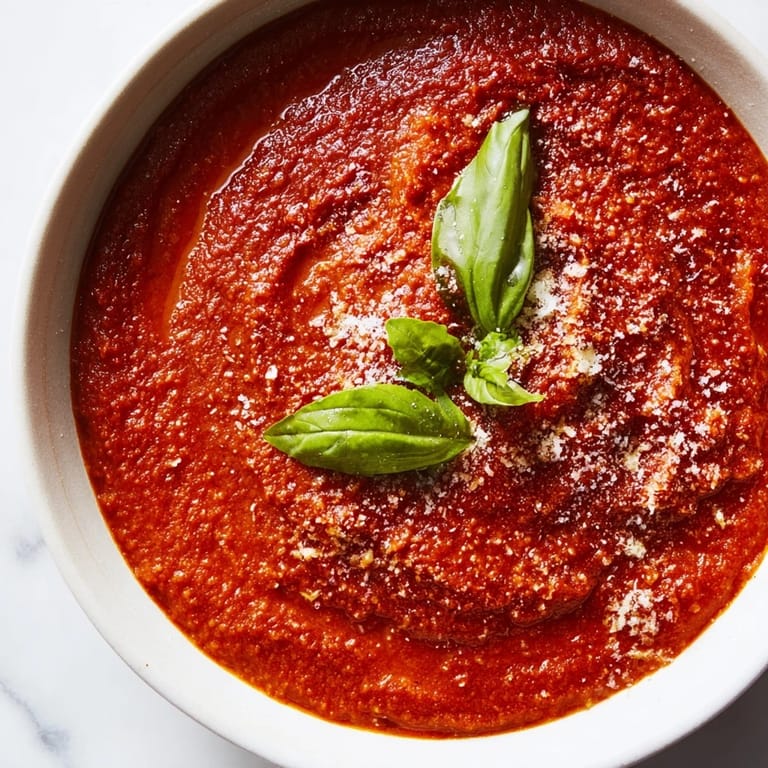
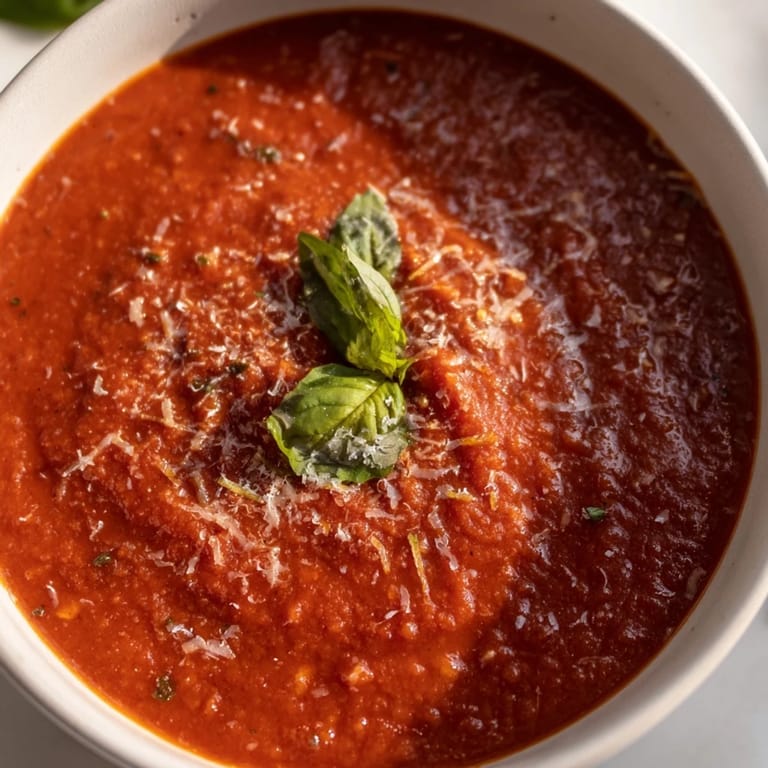
- Taste the sauce and adjust the seasoning if needed, then stir in the Parmesan if you're using it. Serve it hot over your favorite pasta, with a sprinkle of fresh basil on top.
 Save
Save One evening my daughter helped me make this sauce, and she was so proud when everyone at dinner said it was delicious. She whispered to me later that she'd never tell them about the zucchini, and I realized she'd learned the same kitchen secret I had, that love sometimes hides in plain sight.
How to Store and Freeze
This sauce keeps in the fridge for up to five days in an airtight container, and it actually tastes better the next day after the flavors have had time to settle. For longer storage, pour it into freezer safe containers or bags, leaving a little room at the top for expansion, and freeze for up to three months. I like to freeze it in portion sizes so I can thaw exactly what I need for a quick weeknight dinner.
Ways to Customize
You can sneak in other vegetables like bell peppers, celery, or even a handful of kale, as long as you blend everything smooth at the end. For a creamier sauce, stir in a splash of heavy cream or a tablespoon of butter after blending, which makes it taste almost indulgent. If you want a little heat, add a pinch of red pepper flakes when you season the sauce, it wakes up the flavors without overwhelming them.
Serving Suggestions
This sauce is perfect over any pasta shape, but I especially love it with rigatoni or penne because the sauce clings to the ridges. It also works beautifully as a base for baked ziti, lasagna, or even as a dipping sauce for breadsticks and mozzarella sticks. On busy nights, I toss it with rotisserie chicken and pasta for a meal that feels complete without much effort.
- Serve it with a side of garlic bread and a simple green salad for a classic Italian meal.
- Use it as a pizza sauce for homemade pizzas loaded with your favorite toppings.
- Spoon it over grilled chicken or meatballs for a hearty, vegetable packed dinner.
 Save
Save This sauce has become my quiet way of caring for the people I feed, proof that nourishment doesn't always announce itself. I hope it becomes a staple in your kitchen, too.
Recipe FAQs
- → Can I use frozen vegetables instead of fresh ones?
Yes, frozen carrots, zucchini, and spinach work well. Thaw them beforehand and squeeze out excess moisture from the spinach to prevent a watery sauce. Cook times may be slightly shorter since frozen vegetables are pre-softened.
- → How do I achieve a completely smooth sauce?
An immersion blender offers the most control for desired texture. For ultra-smooth results, blend the sauce in batches using a countertop blender, working in small portions to avoid overflow. Ensure the sauce cools slightly before blending hot liquids.
- → What can I add for more depth of flavor?
Consider adding a splash of balsamic vinegar, a pinch of red pepper flakes for heat, or a tablespoon of anchovy paste for umami richness. Fresh herbs like thyme or marjoram complement the tomato base beautifully.
- → How should I store and reheat leftovers?
Refrigerate in airtight containers for up to 5 days. Freeze in portioned containers or ice cube trays for up to 3 months. Thaw overnight in the refrigerator and gently reheat on the stovetop over medium heat, adding a splash of water if needed to restore consistency.
- → Can I make this sauce ahead of time?
Absolutely. Prepare the sauce completely through blending, then cool and refrigerate. This makes meal preparation convenient for busy weeknights. The flavors actually deepen as the sauce sits, making it even better the next day.
- → What pasta shapes pair best with this sauce?
Smooth, creamy sauces like this work wonderfully with penne, rigatoni, or fusilli, which hold the sauce in their ridges. Delicate shapes like angel hair or spaghetti also work beautifully, letting the sauce coat each strand evenly.