 Save
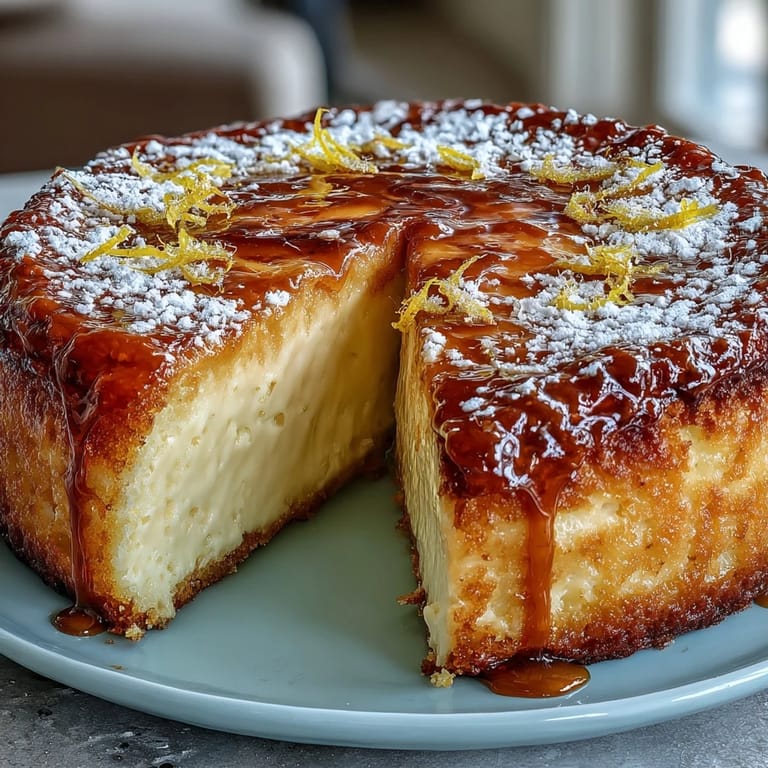
Save My grandmother's kitchen smelled like lemon and butter every Easter morning, long before I understood why this pie mattered so much to her. She'd pull out her worn notebook with the ricotta filling recipe written in fading blue ink, and I'd watch her zest lemons with such care, as if each curl of peel held a memory. Years later, making this pie myself, I realized she wasn't just following a recipe—she was creating something that tasted like spring, like tradition, like love in a crust.
I made this for my sister's Easter brunch last year, and watching her face when she took the first bite reminded me why comfort food matters so much. She closed her eyes, and suddenly we weren't just eating dessert—we were tasting every spring that came before, every celebration, every moment our family gathered around a table together.
Ingredients
- All-purpose flour (2 cups for crust, 2 tbsp for filling): The flour in the pastry needs to be cold and handled gently so it stays tender, while the small amount in the filling just helps thicken and stabilize the ricotta without adding any grittiness.
- Granulated sugar (3/4 cup total for filling): Don't skip the sugar or reduce it thinking you'll get a lighter pie—ricotta needs sweetness to balance its slight tang and bring out that creamy richness.
- Unsalted butter (1/2 cup, cold and cubed): Keep it cold before mixing; this is the secret to a flaky, tender crust that shatters slightly when you bite into it.
- Eggs (4 large total: 1 whole plus 1 yolk for crust, 3 for filling): Room temperature eggs in the filling bind everything together smoothly, but cold eggs in the dough make it easier to handle.
- Whole milk ricotta cheese (2 cups, well drained): This is non-negotiable—buy fresh ricotta from the dairy section and strain it in a fine-mesh sieve for at least an hour before using, otherwise the filling will be watery.
- Fresh lemon zest (from 2 lemons): Zest it fresh right before mixing the filling; stored zest loses its bright, fragrant oils and won't give you that spring flavor you're after.
- Lemon juice (1 tbsp): Adds brightness and cuts through the richness in a way that feels natural rather than tart.
- Vanilla extract (1 tsp for crust, 1 tsp for filling): Use good quality vanilla since you're using it twice; it deepens the flavor without being noticeable as vanilla itself.
- Heavy cream (1/4 cup): Whipped cream would make the filling soupy, so use heavy cream at room temperature to add a silky texture without deflating.
- Salt (1/4 tsp for each component): A pinch in both crust and filling brings everything into focus, making the flavors taste more like themselves.
- Cold water (2–3 tbsp for dough): Add it one tablespoon at a time and stop as soon as the dough just comes together—too much water makes a tough crust that tastes like cardboard.
- Powdered sugar (for dusting): Save this for the very end, just before serving, so it stays bright and white instead of getting sticky from the filling.
Tired of Takeout? 🥡
Get 10 meals you can make faster than delivery arrives. Seriously.
One email. No spam. Unsubscribe anytime.
Instructions
- Make the pastry base:
- In a large bowl, whisk together flour, sugar, and salt, then add your cold butter cubes and use your fingertips to rub everything together until it looks like coarse breadcrumbs—don't overmix or you'll develop gluten and end up with a tough crust. The mixture should have visible tiny butter pieces throughout, which is exactly what creates those tender, flaky layers.
- Bring the dough together:
- Mix in your egg, egg yolk, and vanilla, then add cold water one tablespoon at a time while mixing gently until the dough just barely holds together when you squeeze a handful—it should feel slightly shaggy, not smooth. If you overwork it, the butter warms up and smears into the flour, which means you lose all those beautiful flakes.
- Chill and rest:
- Shape the dough into a thick disk, wrap it in plastic wrap, and let it sit in the fridge for at least 30 minutes (or overnight if you're not in a rush). This rest is crucial because it lets the gluten relax and helps the butter stay cold so it doesn't melt into the dough during rolling.
- Prepare your pan and preheat:
- While the dough chills, preheat your oven to 350°F (175°C) and generously grease a 9-inch pie or tart pan with a little butter or oil. A tart pan with a removable bottom makes plating prettier, but a regular pie pan works beautifully too.
- Roll and line the crust:
- On a lightly floured surface, roll your chilled dough out to about 1/8-inch thick, then gently transfer it to the pan and press it into the bottom and up the sides without stretching it. Trim any excess that hangs over the edge, prick the base with a fork to prevent puffing, and chill for another 10 minutes while you make the filling.
- Build the ricotta filling:
- In a large bowl, whisk together your well-drained ricotta, sugar, eggs, vanilla, lemon zest, lemon juice, flour, salt, and heavy cream until the mixture is completely smooth with no lumps. You want it silky and pourable, so take your time whisking—lumpy filling bakes into a grainy texture that ruins everything.
- Fill and bake:
- Pour your ricotta filling into the prepared pastry shell and smooth the top with a spatula, then slide it into the oven and bake for 55 to 60 minutes until the filling is set but still has a slight wobble in the very center when you gently shake the pan. You'll know it's close to done when the edges are lightly golden and the kitchen smells like toasted cream and lemon.
- Cool with patience:
- Let the pie cool completely on a wire rack at room temperature—this takes about an hour and is absolutely essential because the filling continues to set as it cools. Don't skip this step or cut into a warm pie; you'll end up with a soupy mess instead of those beautiful, clean slices.
- Chill before serving:
- Once cooled, cover the pie loosely and refrigerate it for at least 2 hours (preferably overnight) so the flavors meld and the filling firms up completely. This also makes slicing infinitely easier and gives you that gorgeous presentation.
- Dust and serve:
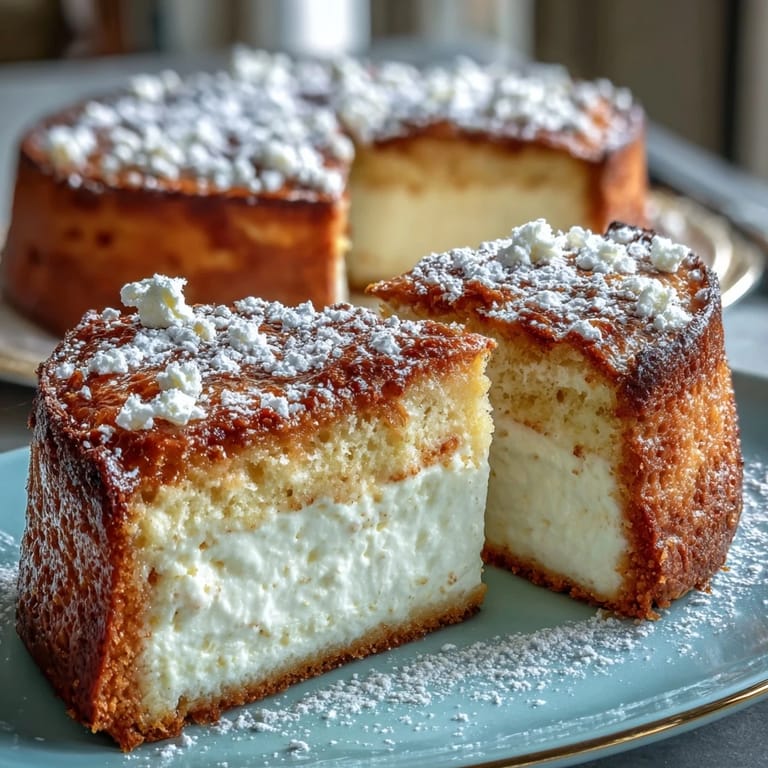
- Just before serving, lightly dust the top with powdered sugar so it looks fresh and inviting. Each slice should cut cleanly with a fork, revealing those tender pastry layers and creamy, lemon-bright filling.
 Save
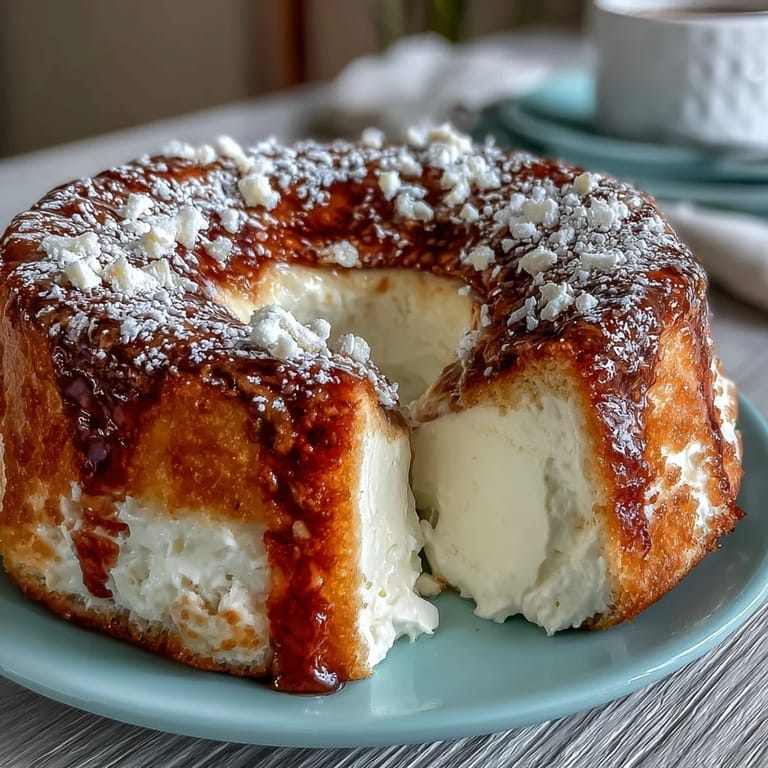
Save There's a moment about halfway through baking when the filling puffs up slightly in the oven and the lemon aroma becomes almost overwhelming—that's when I know it's going to turn out beautifully. My neighbor once asked me why I was so patient with all the waiting and chilling, and I realized I wasn't being patient at all; I was just unwilling to rush something this good.
Secrets to Flaky Pastry
A tender, flaky crust starts with keeping everything cold and moving quickly. I learned this the hard way by watching my butter melt into the flour on a warm kitchen day, resulting in a dense, tough pastry that tasted like sadness. Now I chill my bowl, use cold water from the fridge, and work in a cool part of the kitchen—sometimes I even pop the mixing bowl in the freezer for five minutes before starting.
The Ricotta Cannot Be Rushed
Ricotta has a delicate, mild flavor that gets easily overpowered, so resist the urge to over-sweeten or add too many extracts. When you get the balance right, the lemon becomes the star and the ricotta plays the perfect supporting role, creamy and almost cloud-like. I've learned that sometimes the most impressive desserts are the ones that know when to step back and let simple ingredients shine.
Variations and Personal Touches
This pie adapts beautifully to your mood and what's in season; I've made it with candied lemon peel stirred into the filling, with a whisper of cinnamon in the pastry, and even with a handful of candied violets scattered on top for an Easter brunch that looked like spring itself. The base is strong enough to hold your creativity without falling apart, which is probably why this recipe has endured through so many celebrations. Try these quick additions if you're feeling adventurous:
- Stir in a tablespoon of orange zest along with the lemon for a more complex citrus depth.
- Top the finished pie with fresh berries or a light dusting of candied lemon peel for visual drama.
- Add a teaspoon of almond extract to the ricotta filling if you love that subtle, sweet almond note against the cream and lemon.
 Save
Save This pie tastes like home to me, like every spring celebration that mattered, and making it now feels like carrying forward something precious. Serve it with a simple espresso or a glass of prosecco, and watch people close their eyes on that first bite the way my sister did.