 Save
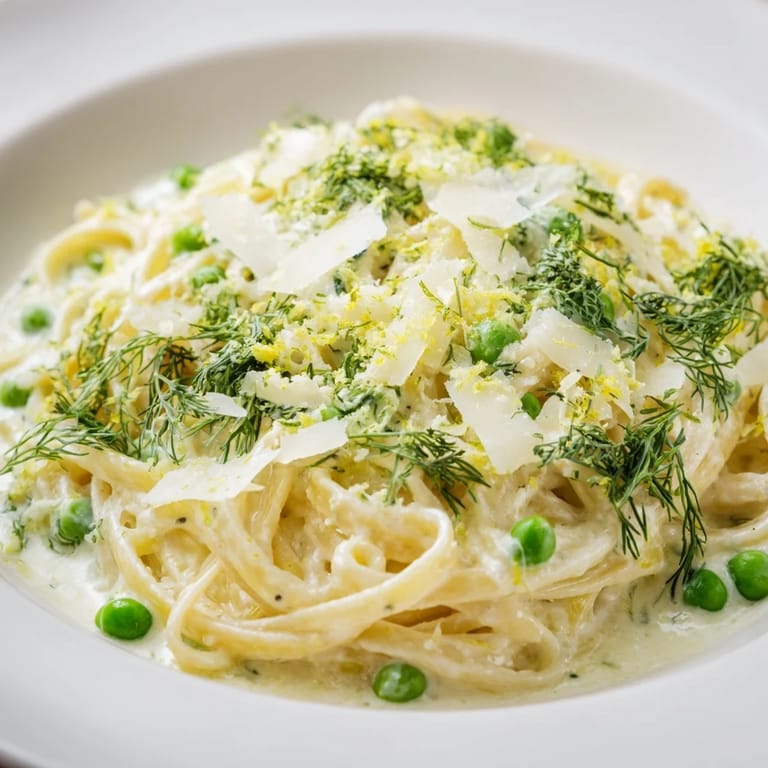
Save There's something about the first warm evening of spring that makes you crave pasta, and one year I found myself standing in my kitchen with a bunch of fresh dill that needed using before it wilted. I'd grabbed it on impulse at the market, drawn to its feathery green fronds and the promise of something light and bright. That night, I threw together this cream sauce with lemon and dill, tossed it with hot pasta, and discovered something so simple it felt almost like cheating—silky, herbaceous, and ready in less time than it takes to set the table.
I made this for my neighbor last summer when she brought over tomatoes from her garden, and even though we didn't use them in the pasta itself, they sat sliced on the side like a beautiful confession of abundance. She took seconds and asked for the recipe on the spot, which was exactly the kind of validation a home cook lives for. Now whenever I see fresh dill at the market, I think of that evening and how something so unfussy turned into a moment worth remembering.
Ingredients
- Dried pasta (350 g): Fettuccine, linguine, or penne all work beautifully—choose whatever you have or love the shape of. I lean toward fettuccine because the ribbons catch the sauce like a dream.
- Unsalted butter (2 tbsp): It's your flavor foundation, so use good butter that actually tastes like butter.
- Garlic (2 cloves, minced): Mince it fine so it dissolves almost immediately into the warm butter without turning bitter.
- Lemon zest (1 lemon): This is where the magic lives—don't skip it or substitute bottled lemon oil. Use a microplane if you have one for the finest, brightest zest.
- Heavy cream (200 ml): The soul of the sauce, thick and luxurious. Let it come to a gentle simmer rather than a hard boil so it stays silky.
- Fresh lemon juice (2 tbsp): Squeeze it fresh—bottled will taste thin and sad in comparison.
- Dijon mustard (1 tsp): It's a secret weapon that brings sharpness and helps emulsify the sauce without anyone noticing it's there.
- Salt and black pepper: Taste as you go because different pasta brands absorb salt differently, and you're building layers of flavor here.
- Grated Parmesan cheese (40 g): Freshly grated melts like silk; pre-grated powder will make the sauce grainy and I learned that lesson the expensive way.
- Fresh dill (3 tbsp, plus extra for garnish): This is the starring ingredient, so use it generously and never substitute dried dill—the flavor isn't even in the same conversation.
Tired of Takeout? 🥡
Get 10 meals you can make faster than delivery arrives. Seriously.
One email. No spam. Unsubscribe anytime.
Instructions
- Start the pasta:
- Bring a large pot of salted water to a rolling boil—make it taste like the sea, as the saying goes. Add your pasta and cook to al dente according to the package, which usually means a minute or two before it feels completely soft. Reserve half a cup of that starchy water before you drain, because you'll use it to adjust the sauce's silkiness.
- Begin the sauce:
- While the pasta's cooking, melt your butter in a large skillet over medium heat until it's foaming gently. Add the minced garlic and lemon zest, and let them sizzle together for just a minute—your kitchen should smell like a lemon grove right about now.
- Build with cream:
- Pour in the heavy cream, lemon juice, and Dijon mustard all at once, stirring gently to combine. Let it simmer for 2 to 3 minutes, watching as it thickens slightly and becomes this beautiful pale gold.
- Add the cheese:
- Stir in the Parmesan, salt, and black pepper until the cheese melts completely and the sauce turns smooth and velvet. Taste it now—is it bright enough? Creamy enough? This is your moment to adjust before the pasta goes in.
- Combine and finish:
- Add the drained pasta to the skillet and toss everything together gently, adding splashes of reserved pasta water until the sauce coats every strand like silk. Fold in the fresh dill and any peas you're using, then taste once more to see if it needs anything else.
- Serve:
- Plate immediately while everything's hot, garnishing with extra dill and flakes of smoked salmon if that's your style. This dish doesn't wait well, so get it to the table while the steam's still rising.
 Save
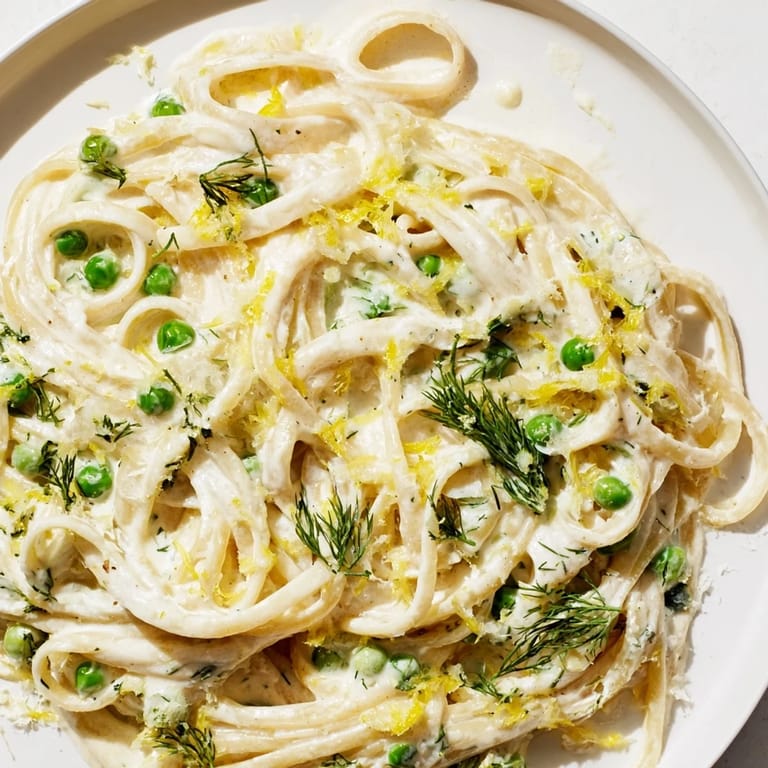
Save I once made this for a dinner party and got so caught up in conversation that I nearly forgot to add the dill altogether, catching myself just as I was about to plate. It's funny how easily you can miss a step when you're talking and laughing, but it also reminded me that this recipe is so forgiving it could almost stand on its own. Still, don't skip the dill—it's the difference between a nice cream pasta and something that tastes like someone who actually knows their way around a kitchen made it for you.
Light Variations That Work
If heavy cream feels too much, swap in half-and-half or even whole milk mixed with a little cornstarch to help it thicken slightly—it won't be quite as luxurious but it's brighter and easier on the stomach. I've also tried Greek yogurt in a pinch when I was out of cream, whisking it in at the very end off the heat so it doesn't curdle, and it added a subtle tanginess that was unexpectedly lovely. The beauty of this dish is that it adapts to what you have, though each choice shifts the flavor just a bit in a new direction.
Seasonal Add-Ins to Consider
Spring begs for peas or tender asparagus tips, summer wants a handful of fresh corn kernels or heirloom tomato pieces tossed in at the end, and autumn almost demands sautéed mushrooms and maybe a whisper of thyme. Winter is when smoked salmon or anchovies make the most sense, adding depth when fresh herbs aren't at their peak. The sauce is rich enough to carry almost any vegetable you can think of, so raid your fridge or farmers market and trust your instincts about what sounds good.
Wine and Table Pairings
A crisp Sauvignon Blanc is the obvious choice, cutting through the richness while echoing the lemon in the sauce, but Pinot Grigio or even a dry Albariño work beautifully too. I've served this on white plates that let the pale sauce shine, but honestly I've also scooped it into bowls at the kitchen counter and it tasted just as good. The magic isn't in presentation—it's in that moment when someone takes their first bite and their face just relaxes because it's exactly what they needed that day.
- Chill your white wine for at least 30 minutes before serving so the contrast with the warm pasta hits just right.
- A simple green salad with lemon vinaigrette on the side won't overwhelm the delicate flavors of the dill and cream.
- Crusty bread for soaking up any sauce left in the bowl is non-negotiable.
 Save
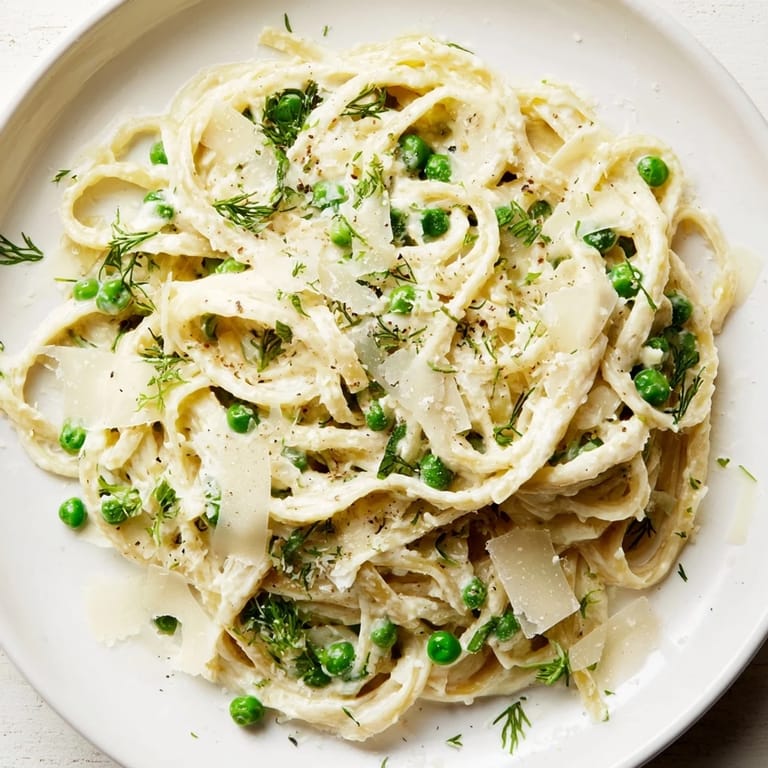
Save This pasta has saved my weeknight sanity more times than I can count, and it's become the recipe I reach for when I want to feel like I've cooked something real without spending hours in the kitchen. It's proof that sometimes the simplest combinations—butter, cream, lemon, fresh herbs—are the ones that stick with you longest.
Recipe FAQs
- → What pasta types work best with this dish?
Fettuccine, linguine, or penne are ideal as they hold the creamy sauce well and complement the fresh dill.
- → Can I make this dish vegetarian?
Yes, omit the smoked salmon and Parmesan or use a vegetarian alternative to keep it vegetarian-friendly.
- → How do I adjust the sauce thickness?
Reserve some pasta water to add gradually, adjusting the sauce consistency to be silky and smooth.
- → What substitutions work for heavy cream?
Half-and-half can be used for a lighter sauce without sacrificing too much creaminess.
- → How should I store leftovers?
Keep in an airtight container in the fridge for up to two days. Reheat gently to avoid separating the sauce.