 Save
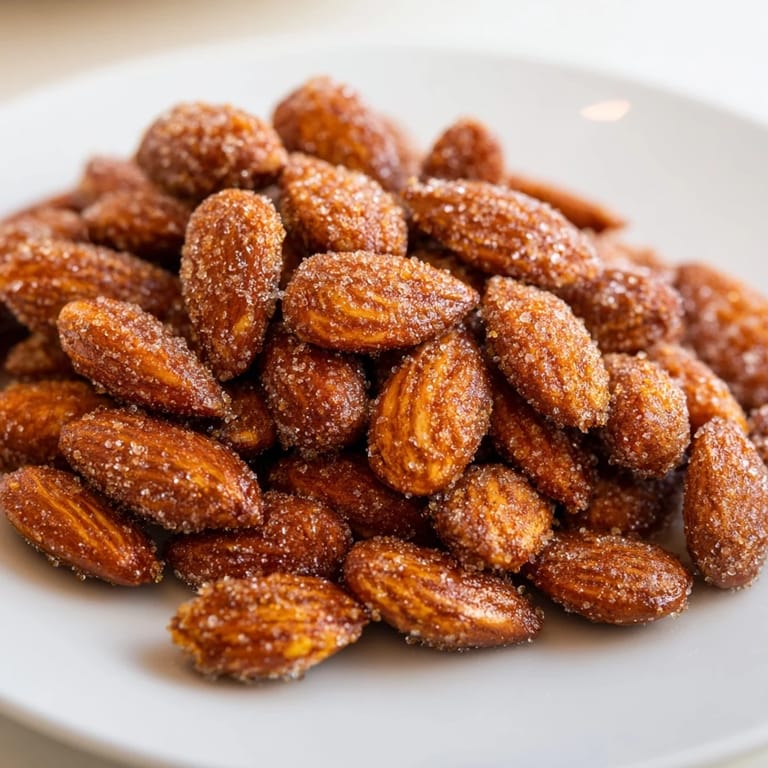
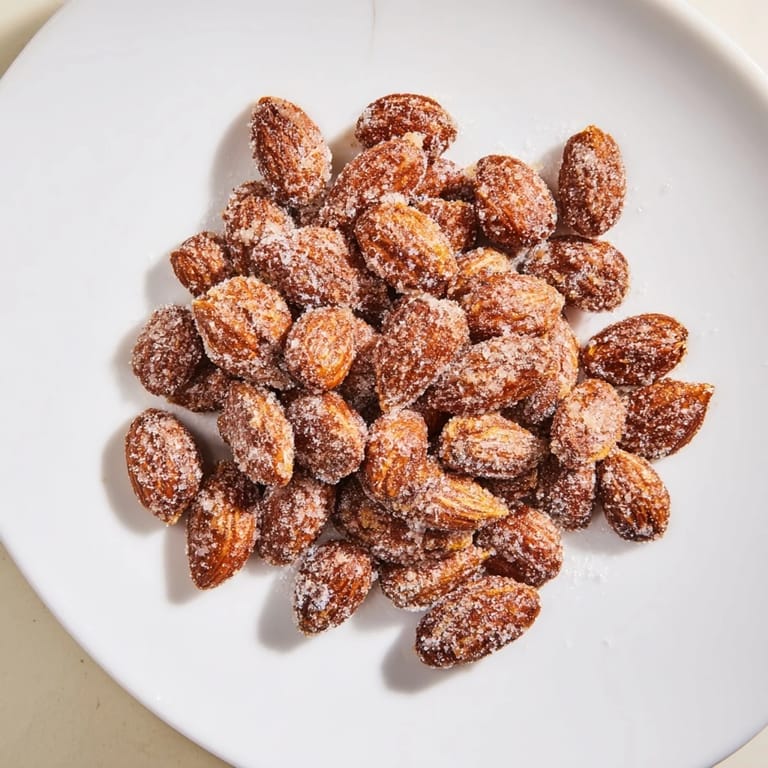
Save My neighbor stopped by one afternoon with a tin of homemade cinnamon roasted almonds, still warm from her oven, and I couldn't stop eating them straight from the container. There's something almost magical about how a raw almond transforms under heat—suddenly it's golden, crispy, and wrapped in a sweet spiced coating that hits you with warmth and comfort. I've made these so many times now that the smell alone takes me back to that first taste, standing in her kitchen while she explained her secret was stirring them every ten minutes without fail. The recipe is remarkably simple, but it's easy to rush and end up with burnt edges or a gummy center if you're not paying attention. Once you nail the rhythm of this one, you'll find yourself making batch after batch.
I brought a batch to a book club meeting last winter, and everyone immediately asked for the recipe, which was exactly the kind of validation I needed on a cold evening. The thing that surprised me most was how a handful of almonds became the thing people remembered about the night—not the book, not the wine, just these perfectly roasted nuts that somehow felt both indulgent and wholesome. That's when I realized this recipe deserves more credit than it usually gets.
Ingredients
- Raw whole almonds: Two cups is the sweet spot—big enough to feel substantial, small enough to roast evenly without some burning while others stay pale.
- Ground cinnamon: A teaspoon gives warmth without overpowering; don't skip this or reach for that old jar that's been sitting for three years.
- Ground nutmeg: Just a quarter teaspoon adds an unexpected depth that makes people wonder what the secret ingredient is.
- Sea salt: Half a teaspoon balances the sweetness and makes every bite more interesting.
- Granulated sugar: Half a cup creates that glossy, crystalline coating that catches the light when you open the container.
- Vanilla extract: A teaspoon ties everything together with a subtle richness that feels intentional.
- Egg white: One large one acts as the binder, helping the spice mixture cling to every almond without making them heavy or oily.
- Water: A tablespoon whisked with the egg white prevents the coating from getting too thick and clumpy.
Tired of Takeout? 🥡
Get 10 meals you can make faster than delivery arrives. Seriously.
One email. No spam. Unsubscribe anytime.
Instructions
- Set your stage:
- Preheat your oven to 300°F and line your baking sheet with parchment paper—this temperature is gentle enough to toast the almonds evenly without racing toward burnt. A silicone mat works beautifully too if that's what you have.
- Create the binding base:
- Whisk your egg white with a tablespoon of water until it's foamy and breaks into a light froth; you want it airy but still able to coat the almonds, not stiff peaks like you're making meringue. This step takes maybe a minute and changes everything about how the spices stick.
- Coat the almonds:
- Dump your almonds into the egg white mixture and toss gently but thoroughly until every single nut glistens with a thin, even coating. Use your hands if you need to; there's no shame in making sure nothing gets left behind in the bowl.
- Mix your spice blend:
- In a separate small bowl, whisk together the sugar, cinnamon, nutmeg, and salt, breaking up any clumps as you go. The sugar has a tendency to absorb moisture and clump, so this step prevents gritty patches later.
- Marry flavors together:
- Sprinkle your spice mixture over the coated almonds and stir, scraping the bottom and sides of the bowl to ensure nothing sits undressed. Pour in the vanilla extract and stir one more time until the coating looks even and caramel-colored.
- Spread and prepare for roasting:
- Pour the almonds onto your prepared baking sheet in a single layer, spreading them out so they're mostly touching but not piled on top of each other. Crowded almonds steam; spaced almonds roast and get the texture you're after.
- Roast with intention:
- Slide into the oven for 25 to 30 minutes, and here's the non-negotiable part: stir them every 10 minutes without exception. This isn't optional if you want golden, even roasting instead of a mixture of dark and pale nuts.
- Cool completely:
- When they smell deeply of cinnamon and look golden-brown, pull them out and let them sit on the baking sheet until they've cooled completely—this is when the magic happens and the coating crisps up into that satisfying crunch. Resist the urge to eat them while they're warm; patience pays off here.
- Store with care:
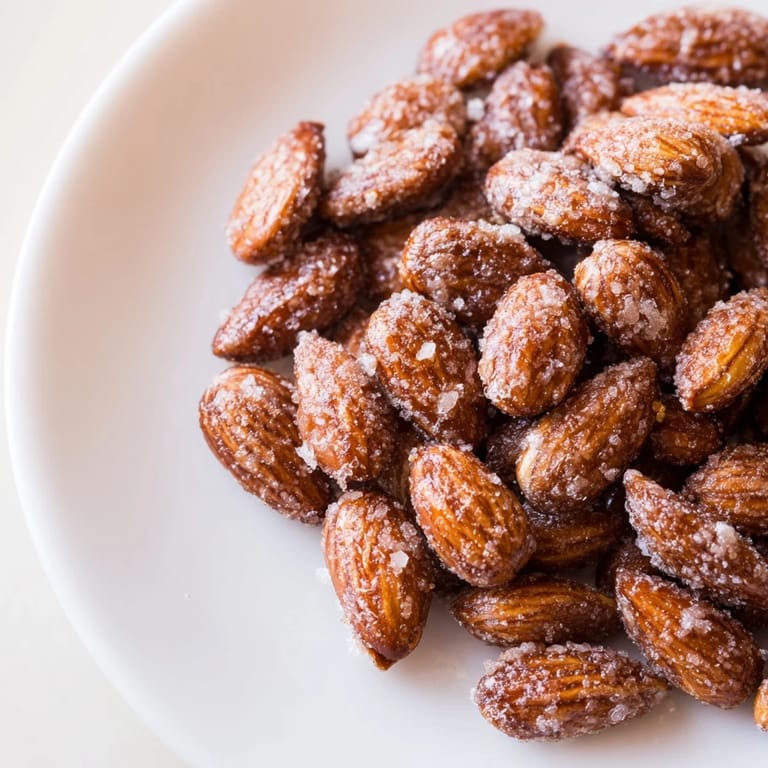
- Transfer to an airtight container once fully cooled, and they'll keep for up to two weeks at room temperature, though I've never had a batch last that long.
 Save
Save A friend once mentioned she kept a small jar of these at her desk and would grab a handful whenever she needed to think through a problem, and I understood completely. There's something about the combination of sweetness, warmth, and crunch that feels grounding and thoughtful, like they're more than just a snack.
Why These Work So Well for Gifting
If you've ever struggled with gift ideas for people who seem to have everything, these almonds are a quiet winner. They feel homemade and thoughtful without being fussy, arrive in whatever container you choose with a handwritten label, and people always appreciate food made with care. I've learned that people remember the effort far longer than they remember a store-bought item, and this recipe proves you don't need fancy ingredients or complicated techniques to feel special.
Playing with Variations
Once you've made these a few times and feel confident with the process, the door opens to experimenting. I've swapped in pecans and cashews with great success, added a tiny pinch of cayenne for an unexpected heat, and even tried turbinado sugar for extra crunch and visual appeal. The framework stays the same; you're just changing the flavors to match your mood or what you have on hand. Some people dust them with cardamom or a whisper of black pepper, and honestly, the almonds are forgiving enough to handle whatever you want to throw at them.
The Small Details That Matter
The difference between a good batch and a great batch often comes down to small things that don't make it into most recipes. Make sure your almonds are truly raw and not pre-roasted, because pre-roasted ones will overcook at 300°F. Check the dates on your spices—old cinnamon tastes musty and flat, and no amount of careful roasting can save that. The egg white does get slightly cooked during roasting, so if you have concerns about raw eggs, know that this process makes it safe.
- Let the baking sheet cool between batches if you're making a double or triple recipe, or the second batch will cook faster than the first.
- If you don't have parchment paper, a silicone mat is the next best thing, but avoid using a bare baking sheet because the coating will stick.
- Taste one almond before you pack them away—this is quality control and a chef's privilege.
 Save
Save These almonds have become my go-to recipe for moments when I want to feel like I've done something meaningful in the kitchen without breaking a sweat. They're proof that simple, honest ingredients and a little bit of attention create something worth making again and again.
Recipe FAQs
- → What makes the almonds crunchy?
Baking the almonds coated in egg white and sugar-spice mix at a low temperature allows them to crisp evenly while roasting to a golden finish.
- → Can I substitute almonds with other nuts?
Yes, pecans or cashews can be used as alternatives to achieve a similar texture and flavor profile.
- → How should the almonds be stored to maintain freshness?
Keep the cooled almonds in an airtight container at room temperature to preserve their crunch for up to two weeks.
- → What role does the egg white play in this dish?
Whisked egg white helps the sugar and spices adhere evenly to the almonds, creating a crisp, flavorful coating when baked.
- → Is it possible to add a spicy element to these almonds?
Adding a pinch of cayenne pepper to the spice mix introduces a subtle heat alongside the warm cinnamon flavor.