 Save
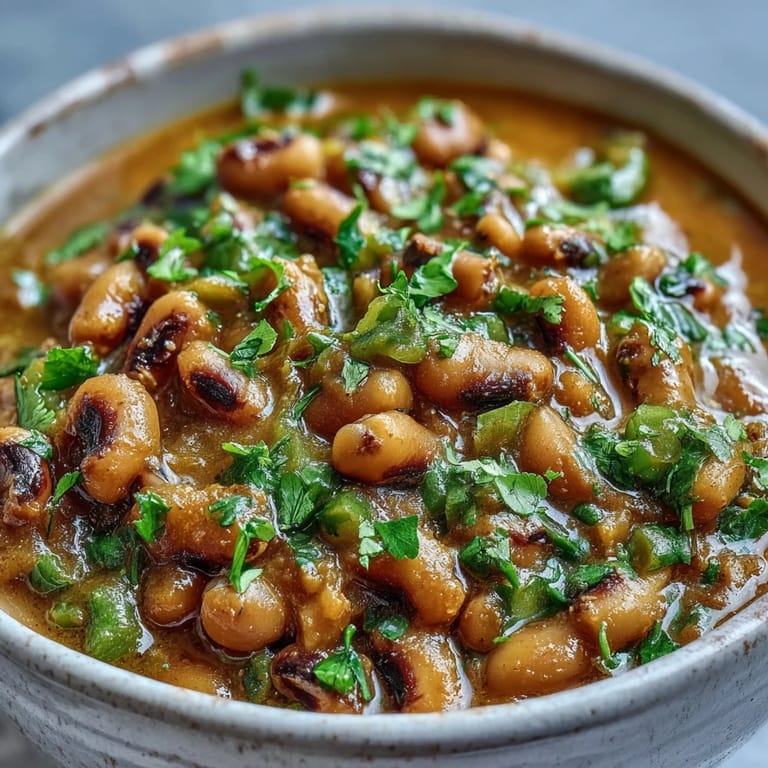
Save My neighbor Priya showed up one evening with a container of this curry, and I watched her face light up as I took that first spoonful—the warmth of turmeric mixed with creamy coconut milk hit differently than any curry I'd made before. She mentioned she'd been craving something that felt like home but lighter, and this became her go-to on busy weeknights. Since then, I've made it probably fifty times, each batch a little different depending on what's in my spice cabinet or how adventurous I'm feeling with the heat level.
I made this for a potluck last spring and brought it in my beat-up clay pot, which somehow made it look even more authentic than if I'd used something fancy. People kept circling back to it, and by the end of the evening, only a faint aroma remained—that golden, gingery smell that lingers in your kitchen for hours after cooking.
Ingredients
- Black-eyed peas (2 cups cooked): Use canned if you're short on time, but if you cook them fresh, save that cooking liquid—it's liquid gold for adjusting consistency.
- Coconut oil (1 tablespoon): The fat carries the spice flavors, so don't skip it even if you usually use something else; vegetable oil works in a pinch but tastes different.
- Onion, garlic, ginger: These three are non-negotiable aromatics that build the entire flavor foundation—don't rush chopping them finely.
- Ground cumin (1 teaspoon): Buy whole seeds and toast them yourself if you want to understand why this curry smells the way it does.
- Ground coriander, turmeric, chili powder (1 teaspoon each, plus ½ teaspoon): The turmeric is the signature note here; fresh turmeric root tastes brighter if you can find it, but ground works beautifully too.
- Garam masala (1 teaspoon): This goes in at the very end because heat deadens its delicate warmth; it's the flourish that makes people wonder what you did differently.
- Coconut milk and vegetable broth (1 can plus ½ cup): The coconut milk makes this creamy without dairy, and the broth stretches it while keeping flavors clean.
- Diced tomatoes (1 can): They add brightness and acidity that balances the richness; canned works as well as fresh here.
- Fresh cilantro and lime juice: These are the final notes that wake everything up—add them just before serving so they stay vibrant.
Tired of Takeout? 🥡
Get 10 meals you can make faster than delivery arrives. Seriously.
One email. No spam. Unsubscribe anytime.
Instructions
- Awaken the spices:
- Heat your coconut oil over medium heat until it shimmers slightly, then toss in mustard seeds if you have them—they'll pop and crackle almost immediately, filling your kitchen with this nutty, electric scent. This 30-second moment is when the curry starts whispering its intentions.
- Build the base:
- Add your chopped onions and let them soften and turn golden, about 5 minutes, stirring occasionally so they don't catch on the bottom. You'll know they're ready when they look almost translucent at the edges and smell sweet rather than raw.
- Bring in the warmth:
- Stir in garlic, ginger, and green chilies (if using), cooking for just 1 to 2 minutes until the mixture becomes fragrant and releases that fresh, peppery heat. This is the moment where you can smell every component separately before they marry together.
- Toast the dry spices:
- Add cumin, coriander, turmeric, chili powder, and black pepper all at once, stirring constantly for about 1 minute to let them bloom in the oil. The smell will intensify and deepen, signaling that the spices are waking up rather than burning.
- Introduce the tomatoes:
- Pour in your canned diced tomatoes and let them simmer for about 5 minutes, stirring occasionally as they break down into the oil and spices. They'll soften and lose their bright red color, melting into a paste-like sauce that coats the back of your spoon.
- Add the legumes and peas:
- Stir in your black-eyed peas and green peas, mixing everything together so each pea gets coated in that spiced tomato base. The peas will start to soften around the edges within minutes.
- Make it creamy:
- Pour in your coconut milk and vegetable broth, stirring gently to combine—the mixture will go from thick and concentrated to silky and flowing. Bring everything to a gentle simmer, not a rolling boil.
- Let flavors meld:
- Simmer uncovered for 15 to 20 minutes, stirring occasionally, until the curry thickens slightly and the individual flavors start speaking as one voice. Taste it at the 15-minute mark; if it seems too thin, keep it going until it reaches that creamy, coating consistency.
- Finish with finesse:
- Stir in your garam masala and the juice of half a lime, tasting as you go and adjusting salt if needed. The lime brightens everything instantly, and the garam masala adds a warm, almost perfumy note.
- Serve with joy:
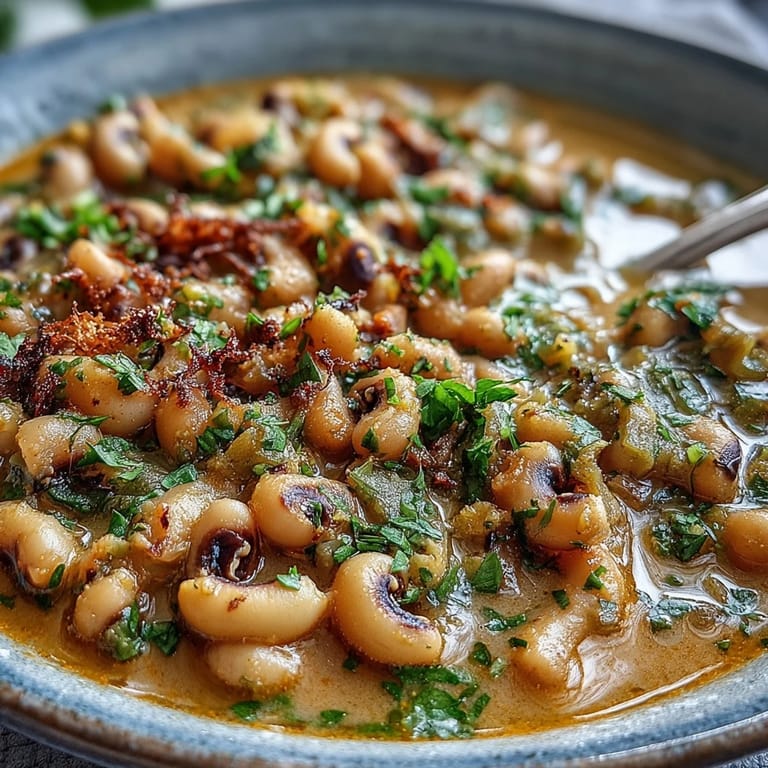
- Ladle into bowls, top with fresh cilantro, and serve alongside rice or warm naan so people can soak up every drop of that golden sauce.
 Save
Save There's something about serving this curry that makes people slow down and really taste it, maybe because it requires you to use bread or rice to manage the sauce, or maybe because the spices demand your attention. Either way, it becomes a moment rather than just a meal.
The Magic of Black-Eyed Peas
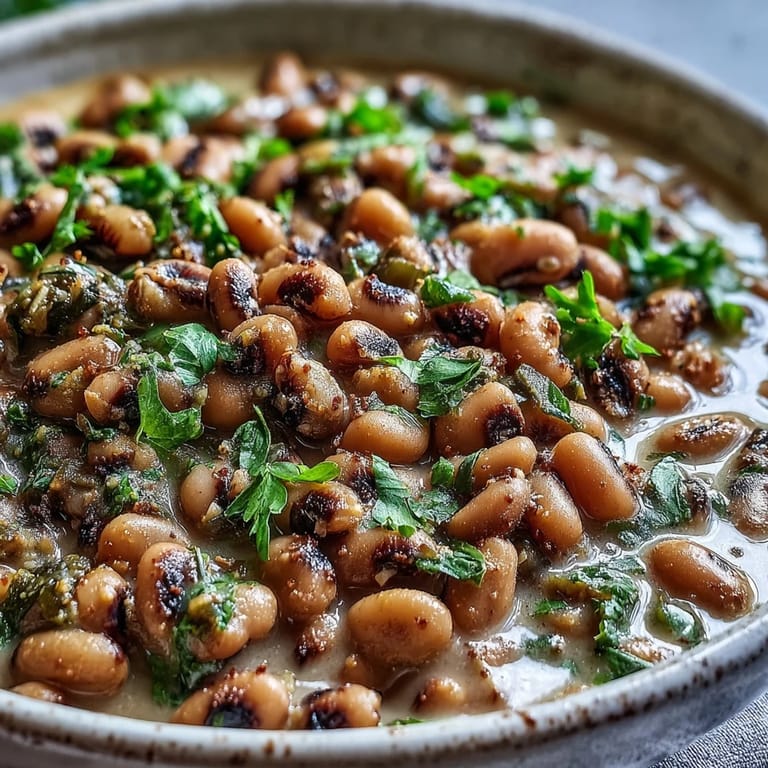
Black-eyed peas have this reputation for being Southern comfort food, but they're actually at home in curries and global cuisines where they've been celebrated for centuries. What makes them special here is how they absorb the curry sauce while holding their shape—they're not watery or mushy, but creamy in their own way. If you're cooking from dried, soak them overnight and they'll cook in about 45 minutes, which honestly tastes even better than canned.
Customizing Your Heat Level
The ½ teaspoon of chili powder in the base is gentle enough that most people can eat it without flinching, but if you love heat, you can double it or add fresh Thai chilies alongside the green ones. I once made this for a dinner party where half the guests were chili-shy and half were chili-brave, so I added the extra heat toward the end of cooking and let people add lime juice and cilantro on top to cool their individual bowls. It felt like everyone was customizing their own experience.
Make-Ahead and Storage Tips
This curry actually improves overnight, so making it a day or two early is not cheating—it's wisdom. The flavors settle and deepen, and reheating it gently over medium-low heat brings everything back to life without losing delicacy. It freezes beautifully too; I've thawed it in the refrigerator and reheated it with just a splash of water, and it tastes nearly as fresh as the day I made it.
- Store in an airtight container in the refrigerator for up to 4 days, or freeze for up to 3 months.
- Reheat gently on the stovetop over medium-low heat, stirring often and adding a bit of water or broth if it's thickened too much.
- Add fresh cilantro and lime juice after reheating so they keep their brightness and aren't dulled by the warmth.
 Save
Save This curry reminds me why I fell in love with cooking in the first place—it's humble, it's generous, and it brings people together without any pretense. Make it once and you'll understand why it became my go-to recipe to share.
Recipe FAQs
- → Can I use dried black-eyed peas instead of canned?
Yes, soak 1 cup dried black-eyed peas overnight, then cook until tender before adding to the curry. This takes longer but allows better control over texture and sodium content.
- → How spicy is this curry?
The spice level is medium-heat. You can easily adjust by reducing the chili powder and omitting green chilies for a milder version, or increase both for more heat.
- → What can I serve with black-eyed pea curry?
Basmati rice, naan bread, roti, or quinoa make excellent accompaniments. The creamy sauce pairs beautifully with warm flatbreads for soaking up the flavors.
- → How long does this curry keep in the refrigerator?
Store in an airtight container for up to 4 days. The flavors often improve overnight as the spices continue to meld. Reheat gently on the stovetop, adding a splash of water if needed.
- → Can I freeze this curry?
Yes, freeze for up to 3 months in freezer-safe containers. Thaw overnight in the refrigerator and reheat on the stovetop. The coconut milk may separate slightly but will emulsify again when heated.
- → Can I substitute the coconut milk?
You can use heavy cream for richness, or cashew cream for a nutty alternative. For a lighter version, use tomato puree with a splash of plant-based milk, though the texture will be less creamy.