 Save
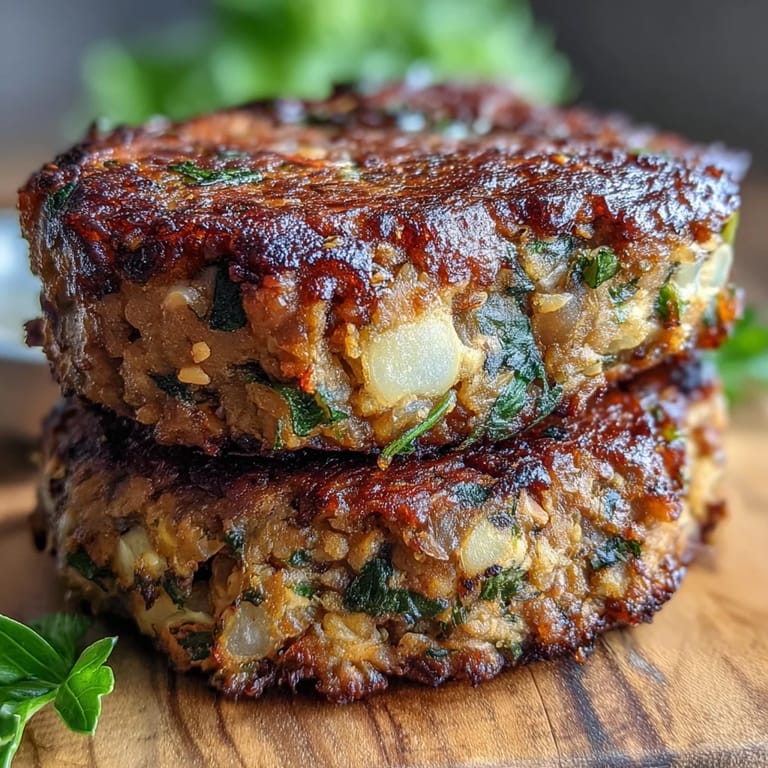
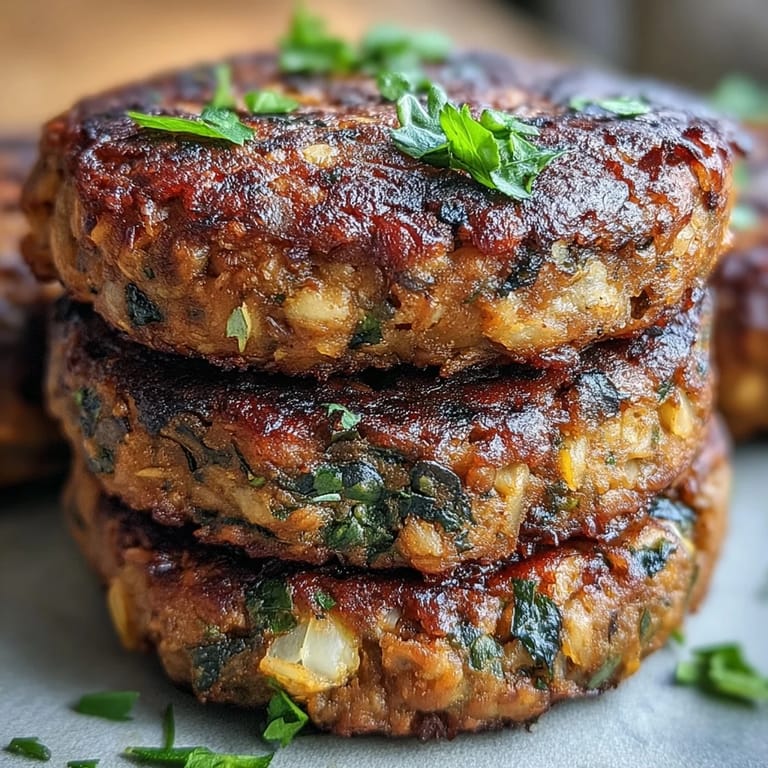
Save My friend Marcus showed up at a Sunday cookout insisting he'd gone vegetarian, and I panicked—I had burgers planned. Instead of ordering takeout, I rummaged through the pantry and found a can of black-eyed peas staring back at me. Thirty minutes later, he bit into a patty so crispy on the outside and tender within that he asked for the recipe before finishing his first burger. What started as kitchen improvisation became something I now make regularly, even when no one's forcing my hand.
Last summer I made these for a camping trip, shaped them the night before, and cooked them over a portable griddle while my sister handled the fixings. The smell of smoked paprika and caramelizing onions wafting through the campsite drew everyone over, and suddenly we had the whole group gathered around waiting to eat. One person came back for seconds, then thirds—proof that a simple mashed legume patty deserves more respect than it usually gets.
Ingredients
- Cooked black-eyed peas (1 1/2 cups): The foundation of everything—they're nutty, forgiving, and hold together beautifully when mashed but not pulverized. Canned work fine if you rinse them well to remove excess sodium.
- Finely diced onion (1/2 small): Creates sweetness and moisture as it cooks down, binding everything while adding subtle depth without overpowering.
- Minced garlic (2 cloves): Cut these small so they distribute evenly and cook through without burning or tasting raw and harsh.
- Grated carrot (1 small): Adds natural sweetness, moisture, and a slight structural crunch that keeps the patty from becoming dense.
- Fresh parsley (2 tablespoons): A green note that brightens everything; use it fresh, not dried, because the difference is noticeable.
- Smoked paprika (1 teaspoon): This is your secret flavor amplifier—it creates depth and a hint of smokiness that makes people wonder what you're hiding.
- Breadcrumbs (1/2 cup): The structural glue that helps everything hold together without making the patty taste like bread; use panko if you want extra crispness.
- Flax egg (2 tablespoons ground flaxseed mixed with 5 tablespoons water): A binding agent that works better than you'd expect and adds a subtle nuttiness that complements the peas.
- Olive oil (1 tablespoon plus more for cooking): Brings richness and helps everything meld together; extra oil during cooking creates those golden, crispy edges you're after.
- Salt and black pepper: Don't skip seasoning or hold back—these patties need it more than you think.
- Cumin, nutritional yeast, chili flakes (optional): These are your playground—add them based on mood and what you're serving alongside.
Tired of Takeout? 🥡
Get 10 meals you can make faster than delivery arrives. Seriously.
One email. No spam. Unsubscribe anytime.
Instructions
- Prepare the flax egg:
- In a small bowl, whisk ground flaxseed with water and set it aside for five minutes—it'll thicken into something that resembles egg and acts as your binding agent. This step is non-negotiable if you want patties that hold together without falling apart on the spatula.
- Mash the black-eyed peas:
- Pour your drained peas into a large bowl and break them down with a fork or potato masher, but stop before they're completely smooth—you want some texture remaining so the patties don't taste like baby food. This is where feel matters more than technique: aim for chunky but cohesive.
- Combine everything:
- Add the diced onion, minced garlic, grated carrot, parsley, smoked paprika, breadcrumbs, the now-thickened flax egg, olive oil, salt, pepper, and any optional ingredients to the mashed peas. Stir and fold until everything is evenly distributed and the mixture holds together when squeezed—you're building a burger, not soup.
- Shape into patties:
- Divide the mixture into four equal portions and form each one into a patty about three-quarters of an inch thick; if they're too thin they'll cook unevenly and dry out, too thick and the inside won't cook through. Wetting your hands helps prevent sticking.
- Choose your cooking method:
- For baking, arrange patties on a parchment-lined sheet, brush with a little olive oil, and bake at 400°F for fifteen to eighteen minutes, flipping halfway through until golden and set. For pan-frying, heat two tablespoons oil in a skillet over medium heat and cook four to five minutes per side until crispy and browned.
- Finish and serve:
- Let them rest for a minute after cooking so they firm up slightly, then serve on buns with whatever toppings make you happy or alongside a cold salad if you're feeling lighter. The patties are best eaten warm while the outside is still crisp.
 Save
Save My mother tried one of these cold the next day straight from the fridge, and she called me to ask if I'd figured out some secret ingredient. The truth is simpler—when you respect the process and don't rush the mashing or mixing, even leftovers taste intentional. That moment made me understand that sometimes the best cooking is the kind that tastes just as good when no one's watching.
Making Them Ahead
Shape these patties up to two days before you plan to cook them and keep them covered in the refrigerator, which actually helps them hold together better because the flavors have time to settle. When you're ready to eat, you can cook them straight from the fridge without thawing—add just a minute or two extra to the cooking time if they're cold.
Topping Ideas That Actually Work
I've learned through trial that these patties pair beautifully with vegan mayo, crisp lettuce, ripe tomato, and sharp pickles, but they're equally happy with hot sauce, avocado, caramelized onions, or even just mustard and relish if you want to keep things simple. The key is balancing the earthy pea flavor with something bright and acidic—something to cut through the richness and wake up your mouth.
Customizing the Flavor
This is where you get to play—the base recipe is forgiving enough to handle additions and swaps without falling apart. If you're someone who loves heat, the chili flakes are your friend, or add a tablespoon of hot sauce directly into the mixture; if you want more savory depth, that's where the nutritional yeast and cumin come in, or try a pinch of smoked paprika's cousin, regular paprika, for a different kind of warmth.
- Toast your spices lightly in a dry pan before adding them if you want extra flavor intensity without adding more volume.
- Fresh herbs like cilantro or green onions can replace the parsley if that's what you have on hand and what you're in the mood for.
- A splash of soy sauce or tamari mixed into the flax egg adds umami depth that makes people wonder what they're tasting.
 Save
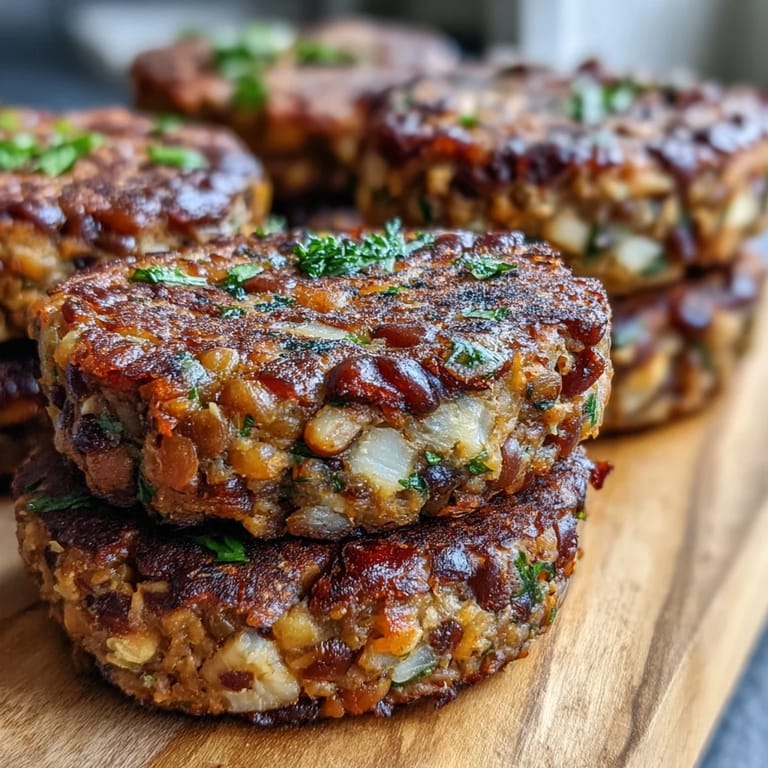
Save These patties remind me that satisfying food doesn't require complexity or meat, just attention and ingredients you actually care about. Make them for yourself first, taste what you've created, and then invite someone hungry to the table.
Recipe FAQs
- → Can I freeze these patties?
Yes, freeze uncooked patties on a baking sheet until firm, then transfer to a freezer bag. They'll keep for up to 3 months. Thaw overnight in the refrigerator before cooking.
- → What can I substitute for flaxseed?
Use one regular egg or a commercial egg replacer. For binding without eggs, increase breadcrumbs to 3/4 cup and add 2 tablespoons mashed potato or cooked quinoa.
- → How do I prevent patties from falling apart?
Ensure the flax egg mixture thickens fully for 5 minutes. Don't over-mash the peas—leave some texture for better structure. Refrigerate the formed patties for 15 minutes before cooking to help them hold together.
- → Can I use dried black-eyed peas instead of canned?
Absolutely. Cook 1 cup dried peas according to package directions until tender, then drain well. You'll need about 1 1/2 cups cooked peas for this mixture. Let them cool slightly before mashing.
- → What toppings work best with these patties?
Classic burger toppings shine here—lettuce, tomato, pickles, and onion. Spread with vegan mayo, tahini sauce, or avocado mash. Add cheese if you're not vegan, or pile on caramelized onions for extra sweetness.
- → How do I know when the patties are done?
Baked patties should feel firm and show golden brown edges. Pan-fried versions develop a crisp crust with visible browning. The internal temperature should reach 165°F (74°C) for food safety.