 Save
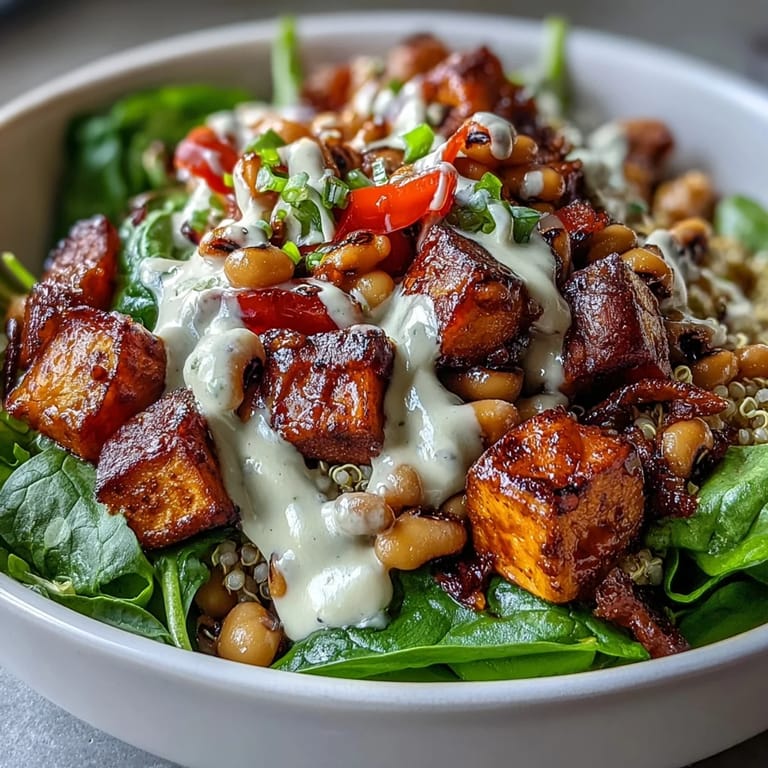
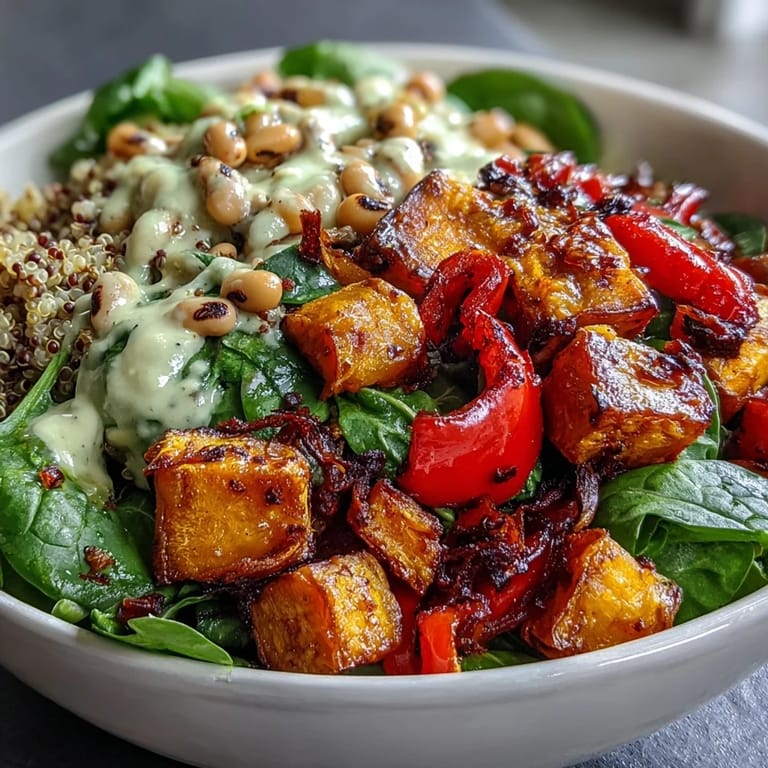
Save There's something about assembling a bowl instead of plating a traditional meal that makes you feel like you're actually nourishing yourself on purpose. I discovered this black-eyed pea buddha bowl on a Tuesday afternoon when my fridge was overstuffed with vegetables that needed rescuing and I was craving something that felt both wholesome and genuinely delicious. The combination clicked immediately, and now it's become my go-to when I want to feel grounded without spending hours in the kitchen.
I made this for a friend who'd just gone vegan, and watching her realize she could eat something this satisfying without any sacrifice was genuinely moving. She came back the next week asking if I could teach her, and now she makes her own version with roasted chickpeas instead. Those moments remind me that food is less about following rules and more about creating permission to enjoy eating.
Ingredients
- Quinoa or brown rice: The grain base needs to be fluffy and slightly nutty, so rinsing quinoa first makes a real difference in texture and removes any bitterness.
- Sweet potato, bell pepper, red onion, and zucchini: These vegetables caramelize beautifully at high heat and provide natural sweetness balanced by the tahini dressing.
- Olive oil: Don't skip it or use a substitute here, as it helps the vegetables develop golden edges and carries the smoked paprika's flavor.
- Smoked paprika: This is what transforms roasted vegetables from plain to memorable with just a whisper of depth.
- Black-eyed peas: Canned works perfectly fine and saves you hours, but cooking them from dried gives you a slightly better texture and lets you control the salt.
- Ground cumin and garlic powder: These warm spices wake up the peas and prevent them from tasting flat or one-dimensional.
- Baby spinach or kale: Either works, though kale holds up better if you're meal prepping and eating throughout the week.
- Avocado: Slice it right before serving so it stays creamy and doesn't brown or get mushy in the bowl.
- Fresh cilantro or parsley: This is your brightness and freshness insurance, so don't treat it as optional.
- Tahini: Quality tahini makes a noticeable difference in creaminess and depth, so choose one that feels smooth when you stir it.
- Lemon juice: Fresh lemon is essential here because the acidity balances the richness of tahini and brings all the flavors into focus.
- Maple syrup: Just enough to round out the dressing without making it sweet, creating a subtle complexity.
Tired of Takeout? 🥡
Get 10 meals you can make faster than delivery arrives. Seriously.
One email. No spam. Unsubscribe anytime.
Instructions
- Get your oven ready:
- Preheat to 425°F so the vegetables start roasting immediately when they hit the sheet, creating those caramelized edges you're after.
- Prepare and season your vegetables:
- Toss the sweet potato, bell pepper, red onion, and zucchini with olive oil, smoked paprika, salt, and pepper until everything's evenly coated. Spread them in a single layer on a baking sheet and roast for 25 minutes, stirring halfway through, until the edges are golden and the vegetables are tender enough to pierce with a fork.
- Cook your grain:
- While the vegetables roast, rinse your quinoa under cold water until the water runs clear, which removes the natural coating that can taste bitter. Combine quinoa, water, and salt in a saucepan, bring to a boil, then reduce heat to low, cover, and simmer for 15 minutes until the liquid is absorbed. Let it sit covered for 5 minutes, then fluff it gently with a fork so each grain stays separate and light.
- Warm the black-eyed peas:
- In a small skillet over medium heat, add your cooked black-eyed peas with the cumin and garlic powder, stirring occasionally for 3 to 4 minutes until heated through and fragrant. This step infuses the peas with flavor and makes them taste intentional rather than like an afterthought.
- Make the tahini dressing:
- In a bowl, whisk together tahini, lemon juice, maple syrup, water, minced garlic, and a pinch of salt until everything is smooth and creamy. If it's too thick, add more water a tablespoon at a time until you reach a consistency that's pourable but still coats a spoon nicely.
- Build your bowls:
- Divide the cooked quinoa evenly among four bowls as your foundation. Layer the roasted vegetables, warmed black-eyed peas, and fresh spinach or kale on top, then drizzle generously with tahini dressing.
- Finish and serve:
- Top each bowl with sliced avocado and a scattered handful of fresh cilantro or parsley, then serve immediately while everything is still warm and the greens are bright.
 Save
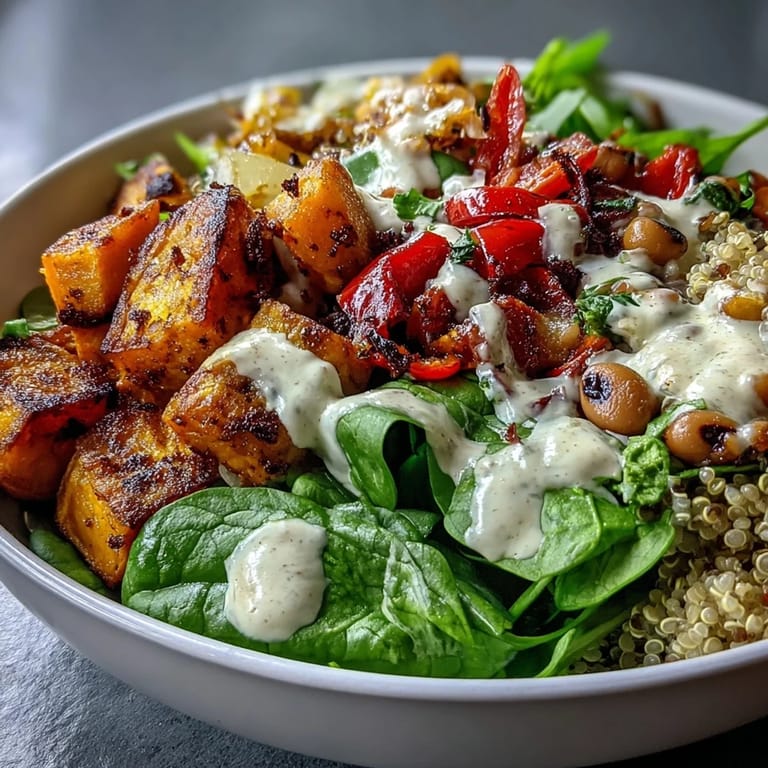
Save One morning I brought this bowl to work and my colleague spent more time asking about it than eating her own lunch, which felt like the highest compliment. There's something almost meditative about eating from a bowl that's this colorful and intentional, like you're nourishing yourself in a way that goes beyond just calories.
Why This Bowl Became My Favorite
Honestly, it started as a practical solution to a cluttered fridge and turned into something I crave now. The tahini dressing is what elevates it from healthy to genuinely delicious, and once you taste how those roasted vegetables caramelize at high heat, you'll never go back to steaming them. Every component serves a purpose, nothing feels like obligation.
How to Make This Your Own
The beauty of a buddha bowl is that it's a template rather than a strict formula. Swap the black-eyed peas for chickpeas or black beans if that's what you have, use whatever grain you prefer, and load up on seasonal vegetables that appeal to you that day. I've made this with roasted broccoli in winter, fresh corn in summer, and whatever was on sale at the farmers market in between.
Assembly and Storage Tips
You can prepare all the components separately and store them in the fridge for up to three days, then assemble your bowl fresh each time you eat. The dressing stays creamy in an airtight container for about four days, and honestly, it's so good that you'll probably use it on salads and roasted vegetables long after the bowl is gone. The avocado is the only ingredient that's best added right before eating so it doesn't oxidize and turn brown.
- For extra crunch and protein, scatter toasted pumpkin seeds or roasted chickpeas across the top before serving.
- If you're meal prepping, keep the greens separate and add them just before eating so they don't wilt into everything else.
- Leftover tahini dressing is phenomenal drizzled over simple roasted vegetables or swirled into hummus for an afternoon snack.
 Save
Save This bowl has become my answer to the question of what healthy food actually tastes like when you put thought into it. Make it once, taste how good it is, and you'll understand why it's now my default meal whenever I need to feel nourished.
Recipe FAQs
- → Can I use dried black-eyed peas instead of canned?
Yes, soak dried peas overnight, then simmer for 45-60 minutes until tender. One cup of dried peas yields about 2-3 cups cooked. Drain well before seasoning.
- → What grains work best as a base?
Quinoa, brown rice, farro, or bulgur all work beautifully. Quinoa cooks fastest at 15 minutes, while brown rice takes about 45 minutes. Adjust cooking time accordingly.
- → How long will the roasted vegetables stay fresh?
Roasted vegetables keep well for 3-4 days refrigerated in an airtight container. Reheat at 350°F for 10-15 minutes or enjoy cold in grain bowls and salads.
- → Can I make the tahini dressing ahead of time?
Absolutely. The dressing thickens in the refrigerator, so store in a jar and thin with additional water or lemon juice before serving. Keeps for up to one week.
- → What vegetables can I substitute for roasting?
Try butternut squash, Brussels sprouts, cauliflower, carrots, or eggplant. Root vegetables may need extra roasting time, while tender vegetables like asparagus cook faster.
- → Is this bowl freezer-friendly?
The grain base and roasted vegetables freeze well for up to 3 months. Add fresh greens and avocado after reheating, and dress just before serving.